
Ask This Old House Season 23 Episode 22: Detroit Pollinator Gardens, Impact Drivers, and Mark McCullough's One-Day Cobblestone Apron
Jenn Nawada visits Detroit Hives and helps a Boston-Edison couple plant an elevated herb and pollinator garden, Tom Silva separates impact drivers from drill drivers, and Mark McCullough tears out a failing brick apron and sets Belgian cobblestone into fresh concrete.
Season 23, Episode 22 of Ask This Old House jumps from Detroit vacant lots to a workbench tool comparison to a driveway apron. The common thread is not the geography. It is the stuff underneath: the soil mix in a raised bed, the hammer action inside an impact driver, the gravel and concrete under a cobblestone.
Detroit Hives and the raised-bed pollinator garden
Jenn Nawada starts in Detroit, where the city was named a Bee City in February 2024. She meets Tim of Detroit Hives, a nonprofit that has been turning vacant lots into pollinator habitat for more than eight years. Tim says the goal is inclusive spaces for people and pollinators, and the design rule is diversity across seasons. Flowers need to bloom spring through fall, not just one burst in July. That supports Michigan's 465 native bee species and, as Tim puts it, turns vacant land into social, environmental, and financial opportunity.
Then Jenn is in the Boston-Edison neighborhood with Katrina and Dequan. The neighborhood has over 900 historic homes, and the couple has lived there since 2017. Dequan already has a reclaimed elevated planter, the kind you can work without bending over. Jenn likes what she sees: lightweight drainage rock coated across the bottom, drainage pipes below, water able to move out and back into the ground. This is the same buried-water principle from the retaining wall in Season 23 Episode 19, where Mark McCullough and Jenn made the case that the visible wall is the easy part and drainage is the actual project.
For the raised bed, Jenn brings a plant selection that doubles as a small design lesson. Four basils: amethyst, bush, blue spice, and lettuce leaf. Lavender for aroma and tea. Anaheim peppers, already flowering. Oregano. Lemongrass. Zinnias and pentas for pollinators. Nasturtiums, an edible flower, sown from seed after a short soak in water so the seeds swell before they go into the soil.
Jenn explains why a raised bed matters beyond back comfort. You choose a clean organic growing mix. If you grow in contaminated soil, whatever you eat can take up contaminants. She keeps the soil about an inch and a half below the rim so heavy rain has somewhere to go and the mix does not spill over. Taller plants go in the center, shorter ones at the edge for sunlight. Lemongrass gets split, so two plants become four. Peppers will need bamboo stakes later when they get heavy. The aftercare is simple and non-negotiable: water it, even when it is raining, and do not let it dry out. Harvest as you go.
Winter in Michigan gets its own plan. Clear everything out, cover the bed with a piece of plywood, add compost on top, then turn it over in spring. The televised planting is the fun part. The soil choice, drainage, watering, staking, and winter cover are what decide whether the bed is still productive next year.
Tom Silva on impact drivers versus drill drivers
Back in the workshop, Kevin O'Connor asks Tom Silva when to grab an impact driver and when to grab a drill driver. Tom's answer is practical. For framing, engineered lumber, and big screws, he reaches for the impact driver. The tool has a hammering action that helps drive the fastener and keeps the bit and screw engaged. For drilling holes or cutting a countersink, he wants the drill driver and its steady rotation.
The bit matters. If you are going to drive with an impact driver, the attachment has to be impact rated. Tom also shows how a Phillips bit seats into a screw head: the V on the bit matches the angle of the tip, and alignment in every direction matters. Start the screw, give it a little start, then push hard. With a drill driver, the bit can slip out more easily. The sound that follows is the one every DIYer knows, the screech of a stripping screw. Keep doing that and you ruin the bit and the screw.
This is a tool-selection segment, not a project. The takeaway is that impact drivers are not just "stronger drills." They are for driving fasteners, especially in tough material. Drill drivers are for clean holes and controlled rotation. Homeowners can safely practice on scrap. The risk is overdriving or stripping, not cutting off a finger.
Mark McCullough removes a brick apron and sets cobblestone
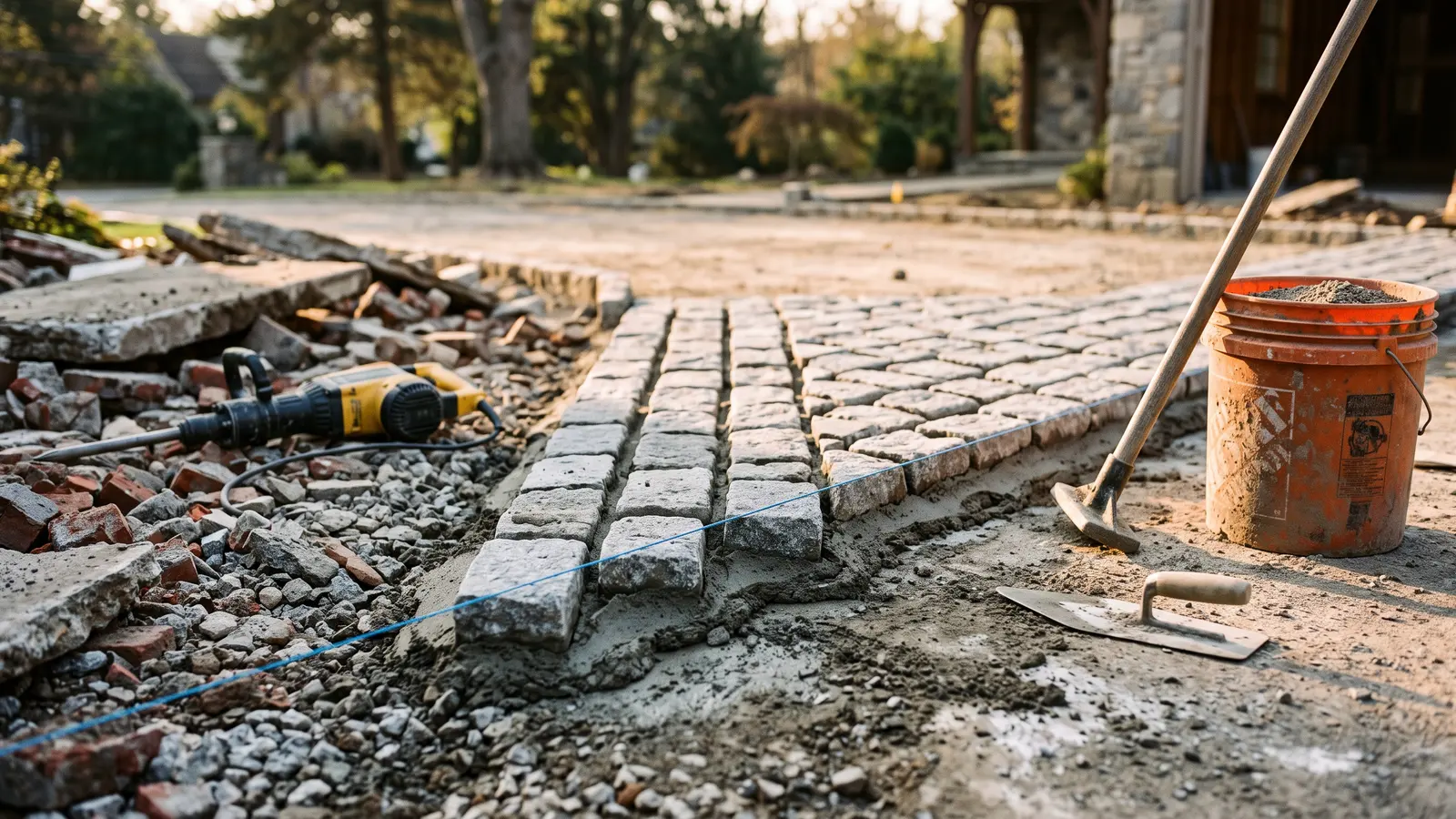
Mark McCullough meets Doug, whose decorative brick driveway apron is breaking up. Doug has tried repairs. They have not held. He wants cobblestone. Mark likes the choice for durability and looks, but the first job is demolition. The brick comes out. So does a failing four-inch concrete pad underneath.
Mark starts at what he calls the least path of resistance. The asphalt and concrete bind the brick on two sides, but the edges give him a free path to chip away. If there were no edge, he would create a starting point in the middle with a sledgehammer. He uses a demo hammer near the asphalt and concrete because he does not want to chip those edges. When Doug takes a turn, Mark gives one warning: pull the tool up, do not use the jackhammer as a pry bar. Then the debris goes into the wheelbarrow. Mark jokes that the homeowner gets that job.
The base is gravel. Mark says gravel gives drainage and acts as a shock absorber. If frost lifts a buried stone, the gravel can shift and then settle back when the frost melts. Because an existing base is already there, he is topping it off rather than building from zero. He compacts with a hand tamper, working back to front so he does not step on what he just packed. Doug finds out the tamper is heavier than it looks.
Next is concrete. Mark uses a high-strength, fast-setting pre-mixed concrete because the cobblestones are going right on top. He adds rebar because cars and plows cross the apron. The new concrete is about two inches thick over the existing base, and when it hardens it will be monolithic, encapsulating the rebar. Then the Belgian cobblestones. They are available at masonry yards. Mark lays them in a running bond, the most common pattern.
The clever part is the infill method. The apron sits between existing concrete on one side and asphalt on the other, so the height is already dictated. Mark runs a string line to keep the erratic edge straight, checks each stone with a straightedge, and pounds it into the wet concrete. That interlocks the stone with the concrete. The alternative is to pour a pad, wait, and set the cobblestones the next day. Mark prefers the wet-set because it makes a better bond and finishes the job in one day.
Jointing is next. Mark uses Type S mortar because cobblestone is hard and he wants strength, not flexibility. The mix should be oatmeal consistency. He puts it in a grout bag, which he notes was originally a baker's tool for decorating cakes, and fills the head joints and bed joints from bottom to top. The jointer has a smaller side for head joints and a wider side for bed joints. He floats the tool back and forth and uses the heel on the return stroke. Once the mortar sets a bit, it peels off the cobblestone edges. At both edges of the driveway, Mark adds mortar and shapes it into a berm. That holds the cobblestones and sheds water back toward the soil. Cleanup is a wet sponge and a final slicking of the joints.
The apron is a good comparison to Mark's stucco repair in Season 23 Episode 24. There, he listened for hollow spots and matched the patch material to the wall. Here, he reads the failed brick, removes what will not hold, and matches the joint material to a hard stone. The homework is not glamorous: seed and water the disturbed dirt on both sides, and wait 72 hours before driving on the new apron. That 72-hour rule is the part a homeowner should tape to the dashboard.
DIY Confidence Scale
- Detroit pollinator garden and raised bed: 5/10. Planting is approachable. Designing for bloom across seasons, choosing clean soil, managing drainage, and keeping up with water, stakes, and winter cover take more attention than the segment lets on.
- Impact driver versus drill driver: 3/10. The concept is simple. The risk is stripping screws or ruining bits, and the fix is practice plus impact-rated accessories.
- Brick apron removal and cobblestone replacement: 8/10. Demolition, base prep, fast-setting concrete, rebar, wet-setting stone, and Type S mortar joints all have to go right. The one-day method is efficient because it is infill between fixed heights, not a freestanding driveway. It is not a first masonry project.
Additional Resources
If your own apron is failing, the real question is not which stone looks better in a photograph. It is whether you can keep the base dry, the heights true, and the mortar workable long enough to finish before it sets.
From the captions
Spotted on the job
Tools, materials, and techniques the episode actually showed or discussed. Names stay generic unless the episode said a brand. A name links to an Amazon search only when it is something a person could buy.
As an Amazon Associate, This Old Recap earns from qualifying purchases.
Tool
DIY-friendly
impact driver
Tommy demonstrated using an impact driver for framing and driving large screws, noting its hammer action keeps the bit engaged.
Tool
DIY-friendly
drill driver
Tommy explained using a drill driver for drilling holes and countersinking where smooth rotation is needed.
Product
DIY-friendly
raised bed
The homeowners had a reclaimed raised bed and Jen helped plant herbs and vegetables in it.
Tool
Pro-only
demo hammer
Mark used a demo hammer to chip away the edges of concrete and asphalt without damaging them.
Tool
DIY-friendly
hand tamper
Amazon search for hand tamper (opens in a new tab)
Mark used a hand tamper to compact the gravel base before pouring concrete.
Material
Pro-only
Belgium cobblestone
Mark installed Belgium cobblestone as the new driveway surface.
Material
Pro-only
type S mortar
Mark used type S mortar for jointing the cobblestones because strength was needed.
Technique
Pro-only
running bond
Mark laid the cobblestones in a running bond pattern, which he called the most common.
The weekly recap
Get each new recap in your inbox the week it airs.
One email the week the new episodes are up, with links back to the full write-ups. Confirm once. Unsubscribe any time.
Keep reading
Related recaps
Also about Masonry
This Old House · S47 E17
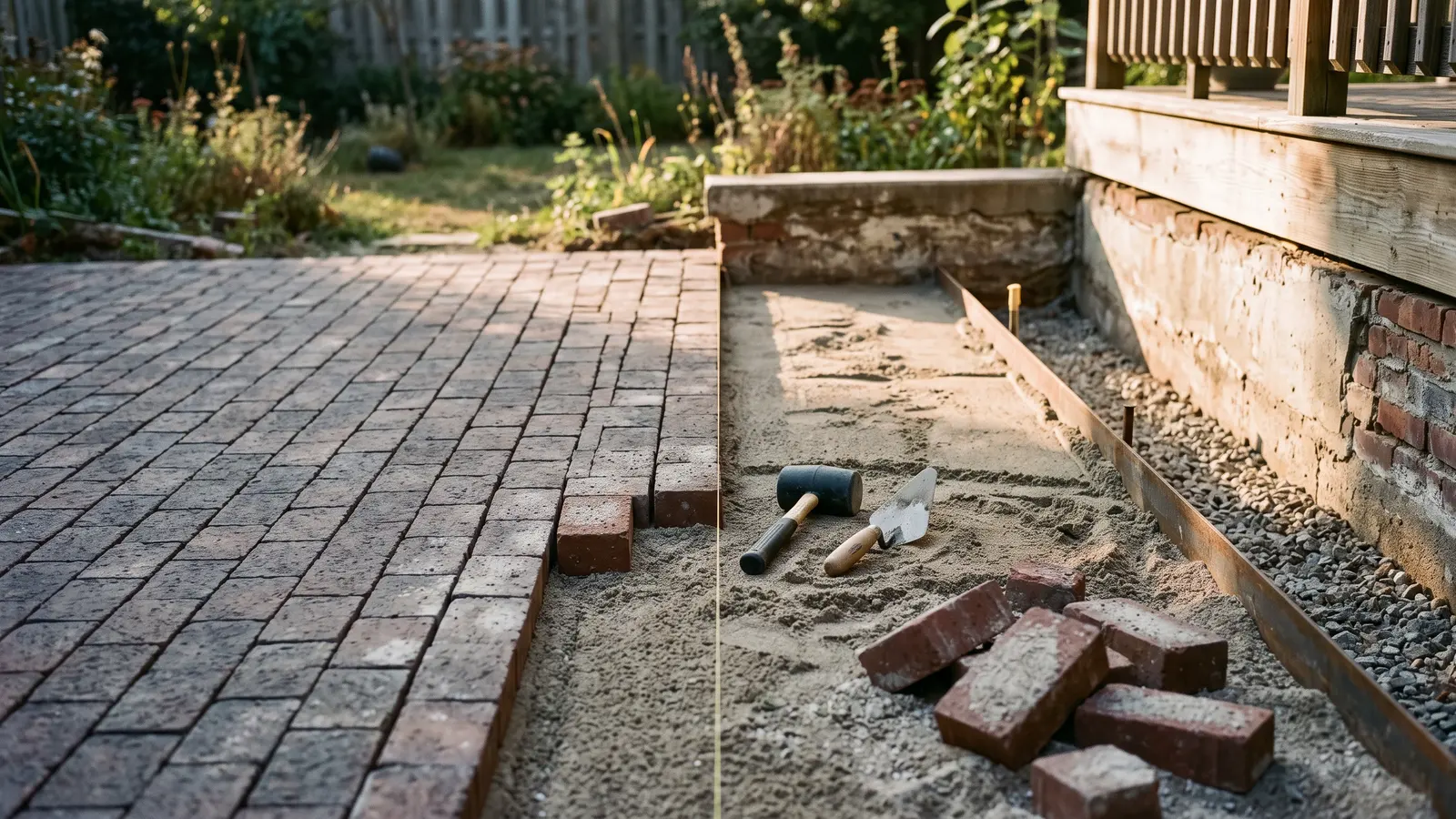
This Old House S47 E17: Porch Colors, a Brick Paver Patio, and Weaving Salvaged Douglas Fir
Also about Masonry
Ask This Old House · S25 E1
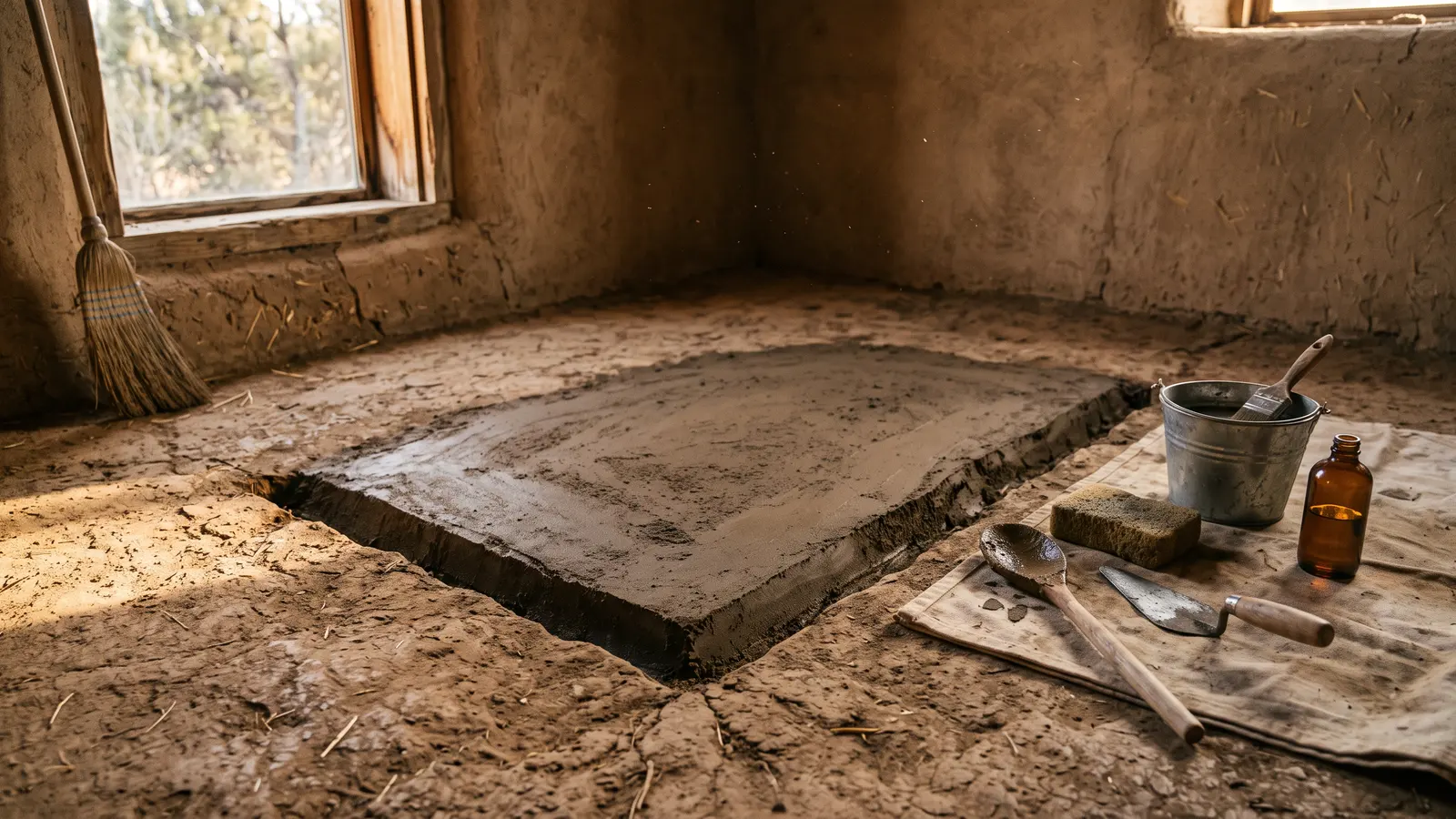
Adobe Bricks, a Miter Trick That Doesn’t Need Caulk, and a Garden Revisited 10 Years Later
Also about Masonry
This Old House · S47 E9
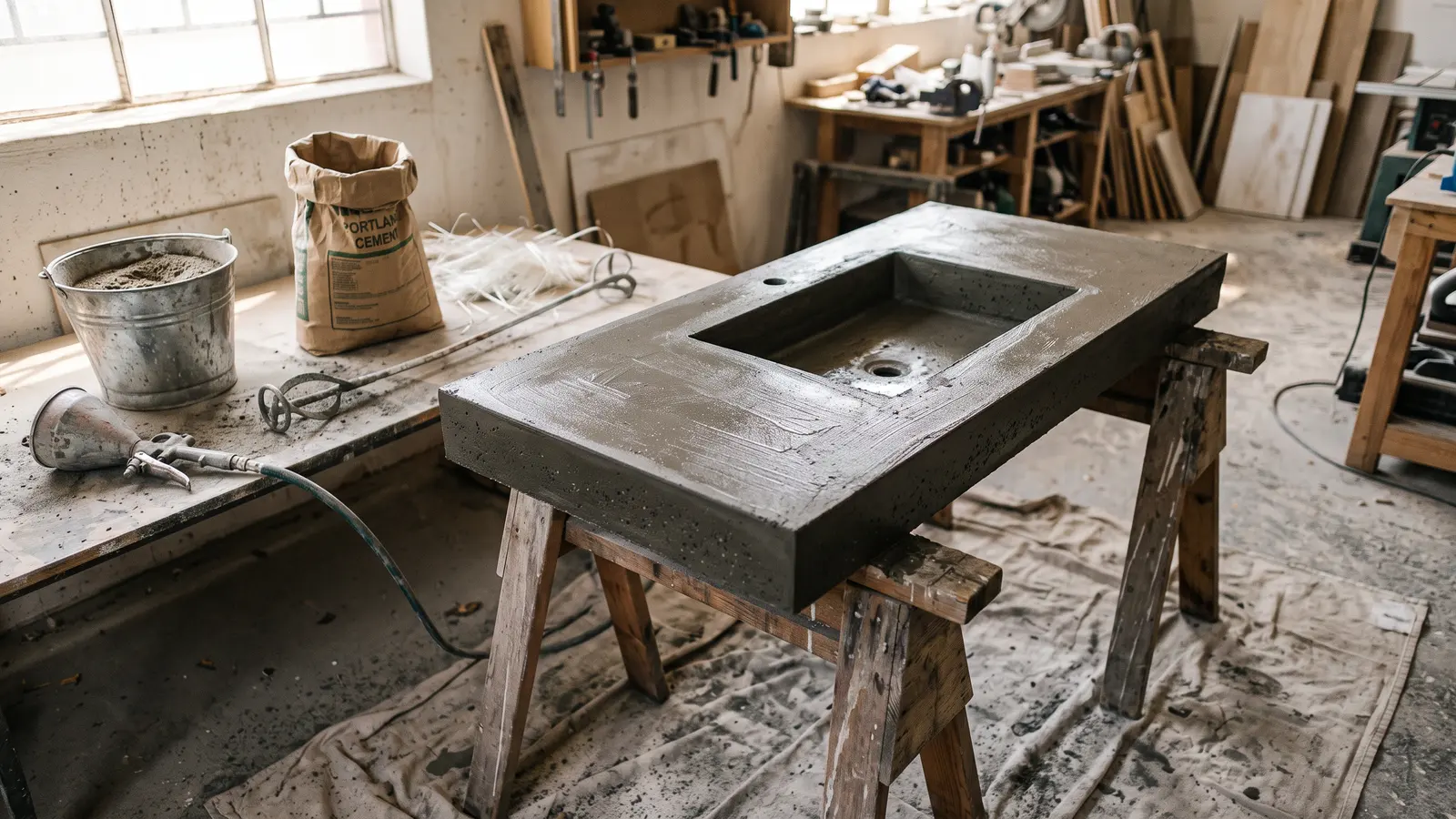
This Old House S47 E9: River Sand in Concrete, Soil Testing After a Flood, and Kevin Goes Antiquing
Also about Masonry
This Old House · S47 E7