
Ask This Old House Season 23 Episode 13: Beehives 101, Field Apps, and a CNC Step Stool, or Tom Silva Hands Kevin a Router That Fixes His Mistakes
Jenn Nawada visits a Detroit beekeeper to learn how a hive works and how honey gets harvested. Heath Eastman, Lee Gilliam, and Ross Trethewey share phone apps they use on the job. Tom Silva and Kevin O'Connor cut a curved toddler step stool with a mobile CNC router that nudges Kevin back on line.
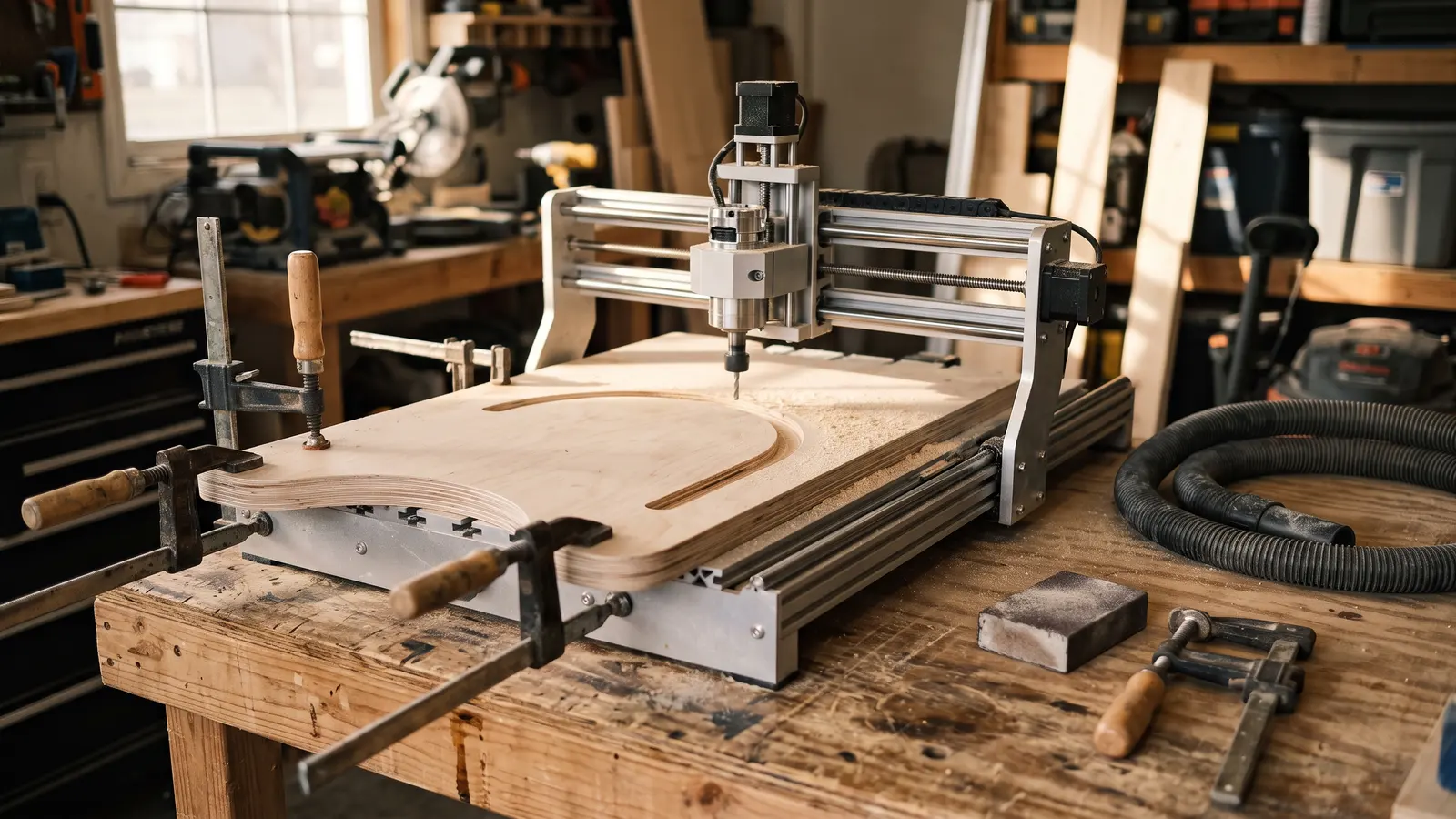
Season 23, Episode 13 of Ask This Old House moves from a Detroit apiary to a phone screen to a portable CNC router. The through-line is guidance systems: smoke that masks a bee alarm, software that surfaces a table or a plant ID, and a router that nudges Kevin back on line. Each one helps, and none of them replaces the person making the call.
A Detroit Hive Is a Superorganism With a Smoker
Jenn Nawada visits beekeeper Nicole in Detroit to learn how a hive works and what it actually takes to start one. The first tool out is a smoker. Nicole explains that guard bees release an alert scent that smells like bananas, and the smoke masks that signal so the colony stays calm before anyone opens the boxes. That step happens before inspection, not after.
Inside, the social structure is tidy. Worker bees are female and do the work inside and outside the hive. Drones are male. There is one queen, and she can live three to five years, but she does not feed or clean herself. Worker bees handle that. Nicole shows capped honey above the brood, with drone cells and worker cells on the frames. The food sits on top, she says, like a rainbow.
The nectar-to-honey process is more mechanical than it sounds. Forager bees collect nectar and pollen. A honeybee has two stomachs, one for digestion and one for carrying nectar. Back at the hive, the nectar gets passed between workers, enzymes get added, and the last worker deposits it into the comb. Fanners evaporate roughly 80 percent of the water content. That is the transformation. Honey can last for thousands of years, Nicole says, and the oldest collected came from an Egyptian tomb over 2,000 years old.
Michigan winters shape the management. Nicole leaves about 100 pounds of honey for the bees to survive the cold. When temperatures are 45 degrees and below, the bees cluster around the queen and vibrate their wing muscles to keep warm. Harvest uses a capping knife to remove the wax layer, then an extractor spins the honey out. The comb goes back. That saves the bees work, and it fits the conservation approach Nicole describes.
For anyone thinking about starting a hive, her advice is education first. Join a local beekeeper association. Take hands-on classes. Find a mentor. Learn the full season before buying equipment and bees. She also points to pollinator gardens and fewer pesticides as ways to help bees beyond the hive. I would not treat a package of bees as a weekend project. This is livestock with a seasonal calendar.
The App Segment Is About Field Decisions, Not Screen Time
Kevin O'Connor starts the segment by teasing the crew about phones on the job. Heath Eastman, Lee Gilliam, and Ross Trethewey then show what they actually use. The apps are not toys. They are lookup, identification, and calculation tools that shorten the gap between a field question and a decision.
Heath's pick is an app version of Ugly's Electrical References, which he calls a CliffNotes version of the code book. He uses it for box fill, conduit fill, and similar daily calculations. The search function is the point: find the table, do the math, move on. The printed code book still gets the reverence joke, and the segment does not claim an app replaces the code itself. It replaces some flipping and some arithmetic.
Lee uses PictureThis to identify plants during a customer walkthrough. It reports whether a plant is toxic, when it flowers, and what fertilizer it may need. That connects directly to Lee's landscaping work in Season 23 Episode 10, where plant identification and site decisions shaped the job. A plant ID app is a starting point for a conversation, not a substitute for knowing the site.
Ross splits his apps into tools and calculators. Bluetooth test instruments send air handler performance, static pressure, indoor air quality, temperature, and relative humidity data to a phone in real time. Some can data log, so he can set a monitor and come back for the readings. Then there are calculators. The Ductulator gets the biggest laugh and the clearest demonstration: enter 100 CFM and a friction rate limit of 0.07, and it can check whether a 4x10 duct works with the air handler. Psychro is the other calculator he names.
The useful takeaway is that apps speed lookup, recording, and field math. They do not replace site conditions, judgment, or verification. A homeowner can download the same tools, but interpreting the results is the trade.
Tom and Kevin Build the Step Stool, But the Router Is the Third Character
Tom Silva picks a small curved step stool and cuts it with a mobile CNC router. The tool has a camera, a light, and a screen. Tom loads a plan, then guides the router while it corrects his path. Kevin steers. The router watches.
Prep is the unglamorous part. They lay sacrificial plywood over the table, clamp it, and use double-face tape under the Baltic birch. Dust gets brushed off first so the tape holds. A field of domino-like markers goes down every two or three inches. The router scans them into a workplace grid. Tom sets X and Y with an engraving bit, then touches off Z so the machine knows the depth of the stock. The cutting bit is 8 millimeters. He uses AutoPass for four passes and explains the rule that applies to any router: do not cut deeper than the bit diameter in one pass.
Kevin watches a green line and a center dot on the screen. If he wiggles but stays within the path, the router makes minor adjustments. Tom calls it a portable CNC machine. That is fair. The machine is not cutting on its own. It is keeping a human-guided cut on a road map.
After the cuts, small blocks fill the dados so the legs stay aligned for sanding. A trim router with a guide runs a chamfer on the edges, and the guide cannot fall into the dado because the block fills it. Glue goes into the dado. The X marks line up pre-drilled holes. Tom recommends a clear coat, stain, or paint because a kid's step stool in a bathroom will get wet.
The Baltic birch legs and dado joinery echo the modular plywood cubbies from Season 23 Episode 26. Same lesson: the joinery and the finish do the long-term work, even when the shape gets the attention. Television compresses the slow parts here, too. Taping, scanning, zeroing, and four passes would take longer in a shop than the segment makes it look.
One Sharp Thread Runs Through the Episode
Beekeeping, field apps, and a CNC router all depend on guidance systems. Smoke masks a signal. Software surfaces a table or a plant ID. The router keeps a cut on track. None of them remove the need for the person doing the work to understand the system, check the conditions, and make the final call.
DIY Confidence Scale
- Beehives 101: 8/10. The smoker and hive tool are simple. The live colony and seasonal management are not. Start with a local association and a mentor before you buy bees.
- Phone apps: 1/10 to download, 5/10 to use well. The app finds the table or the plant. You still have to read the site and verify the result.
- CNC step stool: 6/10, or 7/10 if you already own the router and understand workholding. A regular router and a template can do similar work with more skill and more setup.
Additional Resources
The step stool gets credit for looking simple. The beekeeper's banana-scent smoker and the router's green line are the parts that keep the work from going sideways.
From the captions
Spotted on the job
Tools, materials, and techniques the episode actually showed or discussed. Names stay generic unless the episode said a brand. A name links to an Amazon search only when it is something a person could buy.
As an Amazon Associate, This Old Recap earns from qualifying purchases.
Tool
DIY-friendly
smoker tool
Nicole used a smoker tool to calm the bees before opening the hive.
Tool
DIY-friendly
hive tool
Nicole used a hive tool to pry open the hive boxes.
Tool
DIY-friendly
capping knife
Nicole described using a capping knife to remove the first layer of wax from honeycomb.
Tool
DIY-friendly
extractor
Nicole said most honey is spun out of the comb in an extractor.
Tool
DIY-friendly
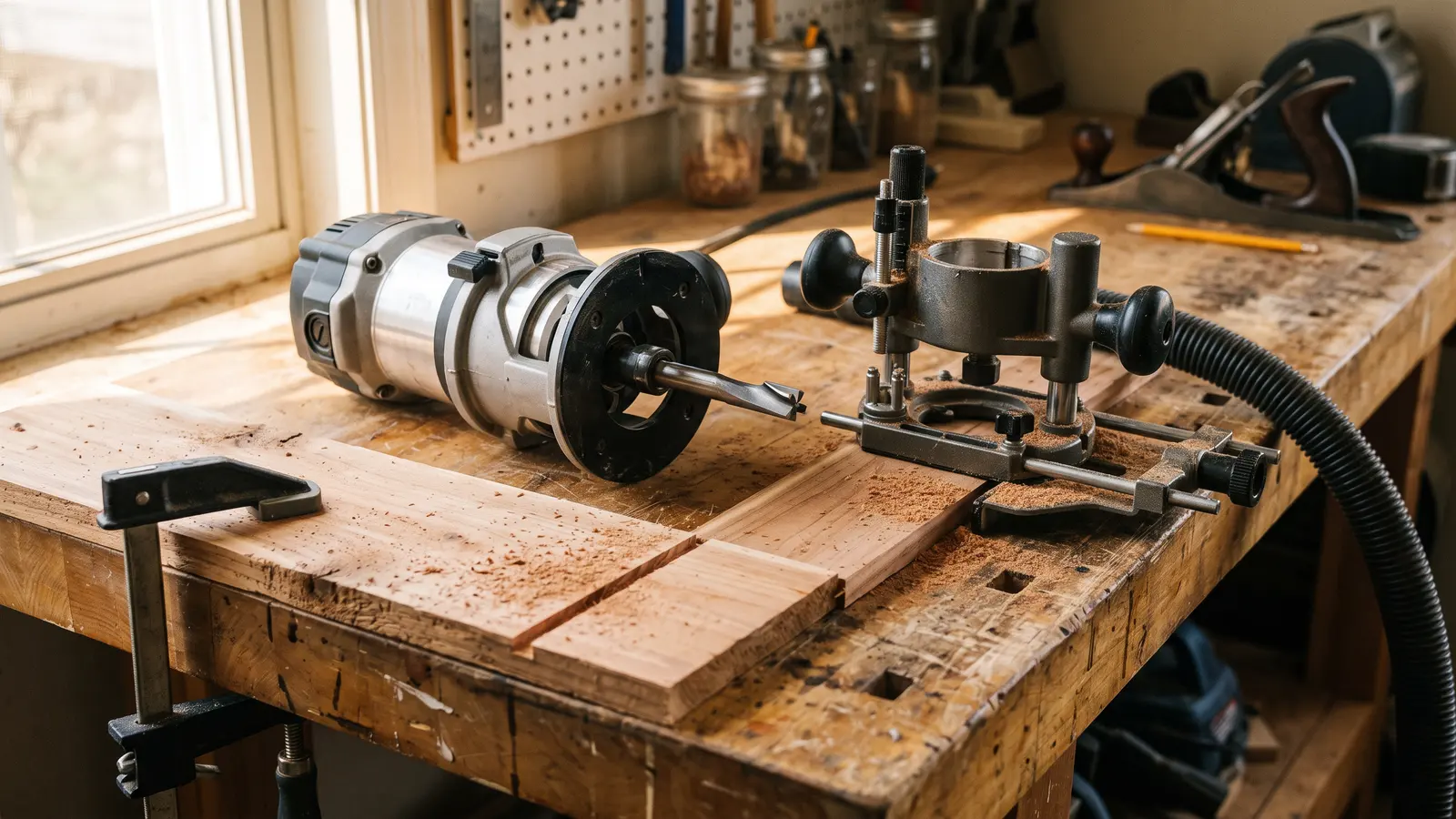
router
Amazon search for router (opens in a new tab)
Tom used a computer-guided router to cut the curved step stool legs while the screen showed where to go.
Material
DIY-friendly
Baltic birch
Tom used Baltic birch plywood for the step stool legs and noted its many veneers.
Product
DIY-friendly
Brand named in the episode
PictureThis
Lee used PictureThis to scan a plant and learn its identity, toxicity, bloom time, and fertilizer needs.
Product
Pro-only
Brand named in the episode
Ductulator
Ross used the Ductulator app to calculate duct size from an airflow rate and friction rate.
The weekly recap
Get each new recap in your inbox the week it airs.
One email the week the new episodes are up, with links back to the full write-ups. Confirm once. Unsubscribe any time.
Keep reading
Related recaps
Also uses router
This Old House · S47 E19
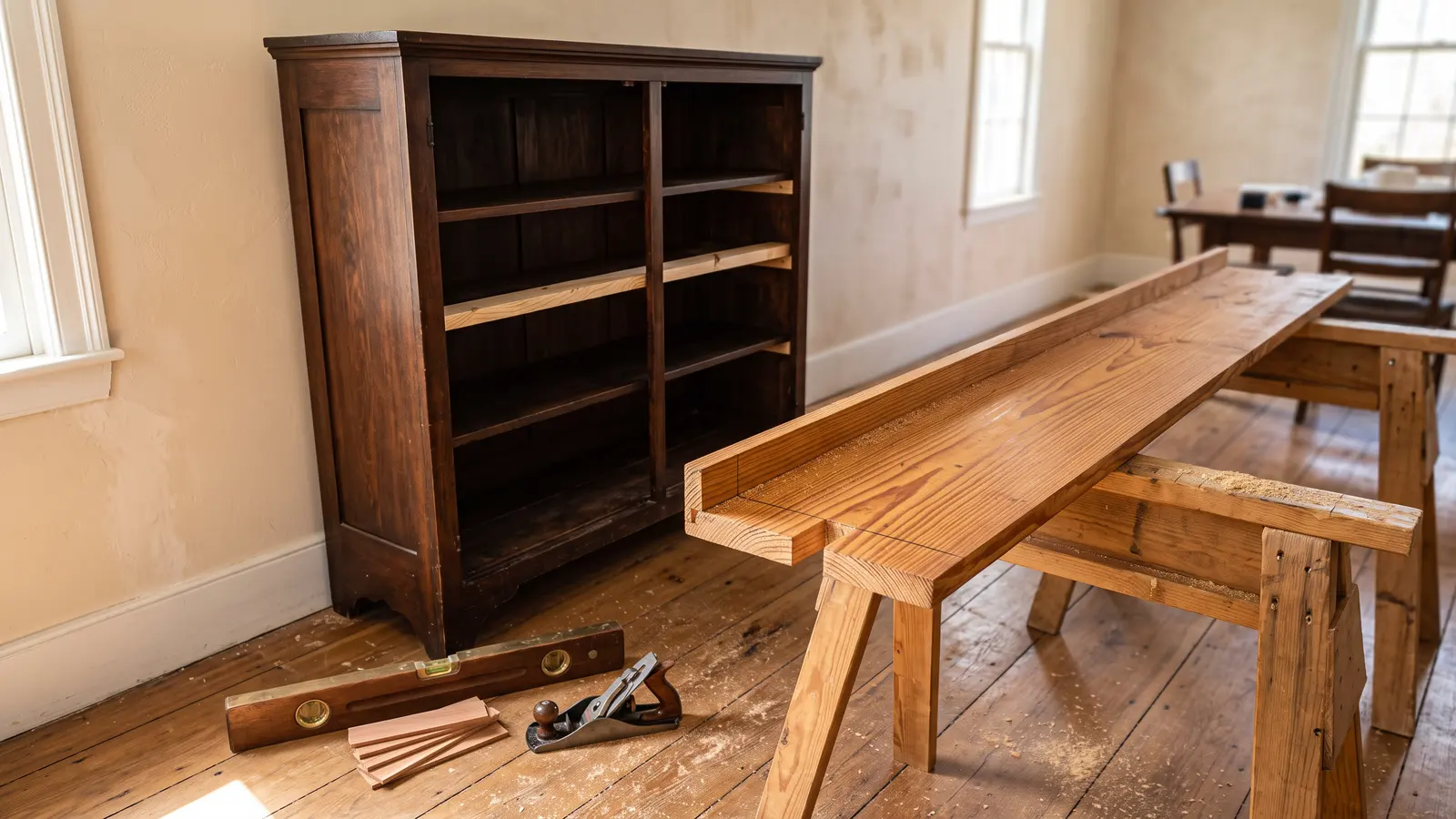
This Old House S47 E19: Needham Victorian Finishes, a 130-Year-Old China Cabinet, and a Front Door Mortise
Also uses router
This Old House · S47 E10
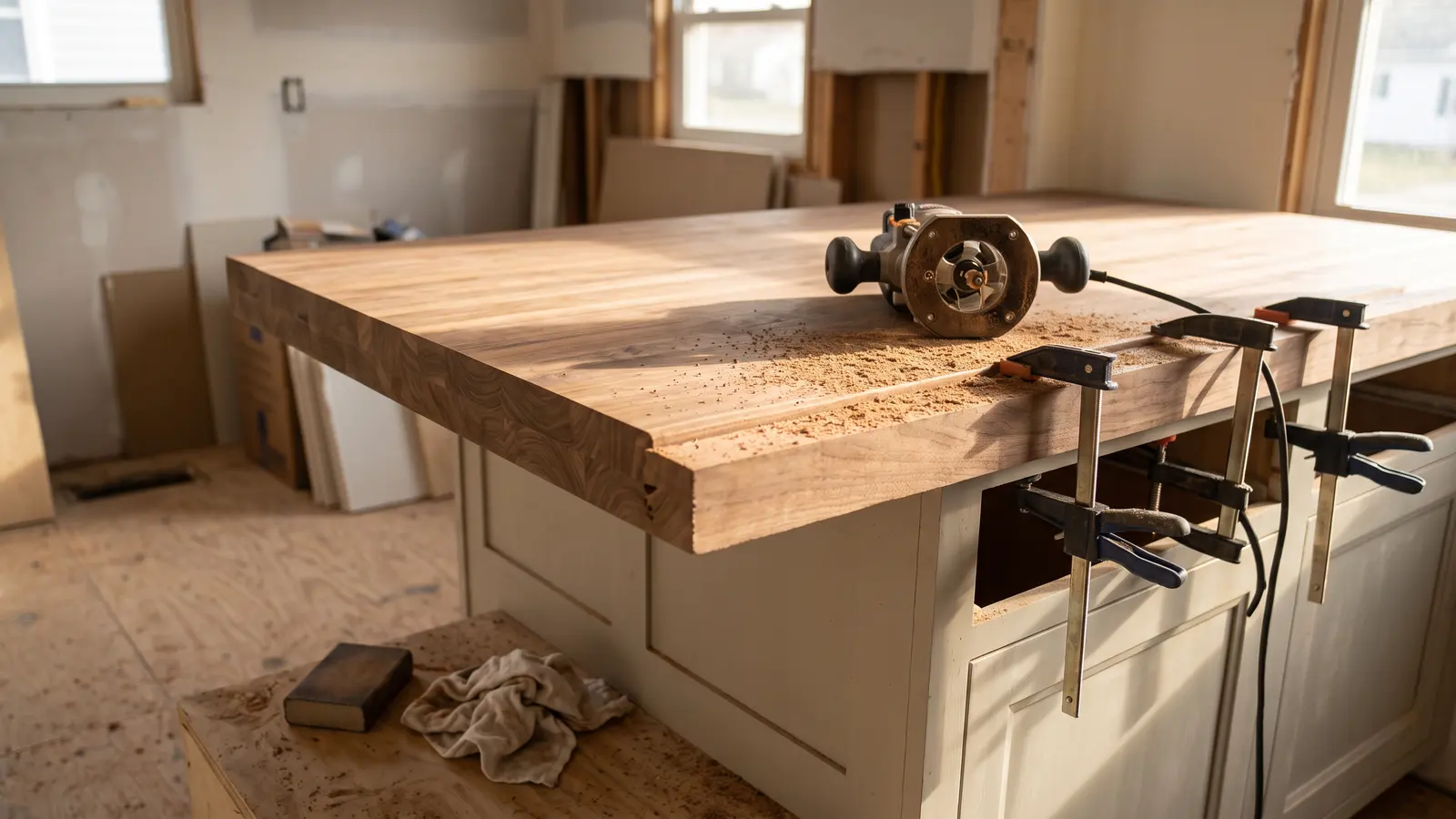
This Old House S47 E10: Carpet From Scratch, Butcher Block Counters, and Planting a Boulder Wall
Also uses router
Ask This Old House · S23 E26
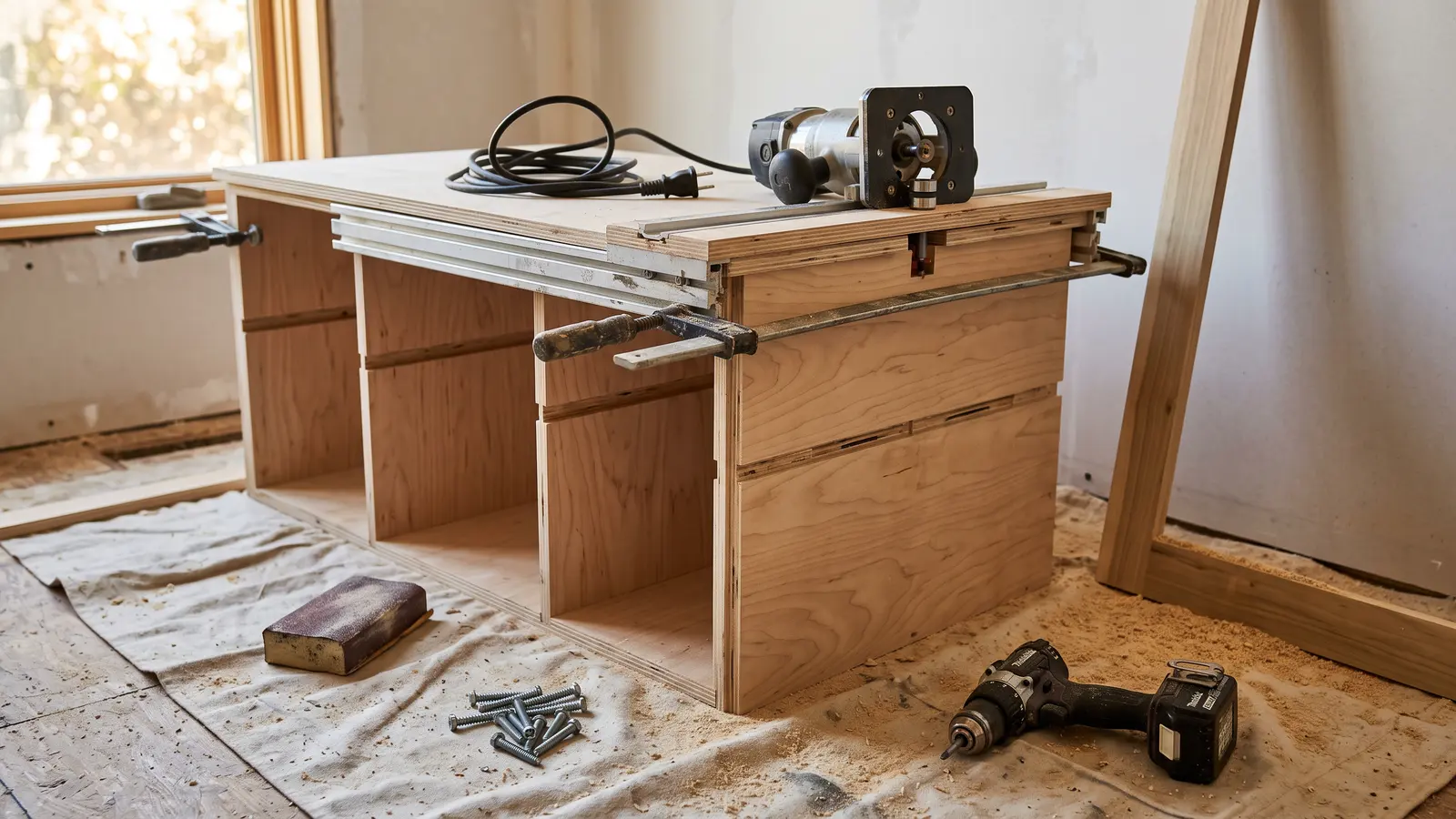
Ask This Old House Season 23 Episode 26: Mudroom Cubbies, Mulch Math, and a Burgundy Spray Finish
Also uses router
Ask This Old House · S23 E20