
Ask This Old House S24E4: Hearing Protection, a 120-Decibel Hammer, and Moving Laundry Upstairs
Kevin O'Connor gets a decibel demo from an audiologist: a miter saw over 100 dB, a drill around 85, and hammer strikes peaking above 120. Then Richard Trethewey, Heath Eastman, and Nathan Gilbert turn a bathroom closet into a first-floor laundry for Jim and Michele, with new 20-amp and 30-amp circuits, a 2-inch drain, a relocated thermostat, and a hallway door. The part TV compresses: getting the vent, valve box, wiring, and framing to share one wet wall.
Season 24, Episode 4 of Ask This Old House pairs two jobs that look unrelated: an audiologist measuring power tools and a three-trade team moving a washer and dryer upstairs for a couple planning to age in place. The honest connection is preparation. One segment is about protecting cells you cannot regrow. The other is about building a laundry closet you can service without tearing out a wall.
Kevin O'Connor handles the hearing demo in the workshop. Richard Trethewey, Heath Eastman, and Nathan Gilbert handle the laundry relocation at Jim and Michele's house. Both stories reward paying attention before the loud part starts.
The hammer is the sleeper hearing hazard
Kevin starts with Steve, a doctor of audiology. Steve explains that hazardous sound exposure is usually a package: hearing loss plus tinnitus, the ringing or buzzing that comes from inside the head rather than the room. The physical reason is that the ear has roughly 15,000 specialized cells per ear. They do not repair themselves. There is no medication yet that brings them back.
Steve uses decibels to make the range manageable. Zero dB SPL is roughly the threshold of hearing. Around 120 to 130 dB is the threshold of pain. NIOSH, the National Institute for Occupational Safety and Health, sets daily exposure limits, and the math gets ugly fast. At 100 dB, the transcript puts the daily allowance at about 15 minutes. At 85 dB, an entire workday can exhaust it.
Then they test tools with the NIOSH SLM app on a phone. The app is educational, not a calibrated lab instrument, and Steve says as much. The miter saw reads over 100 dB. A regular drill driver lands around 85 to 86 dB. The hammer is the surprise. Steve says they got peaks above 120 dB, and Kevin admits he rarely wears hearing protection just to hammer. That is the useful discomfort in the segment: impact noise is not steady, but its sudden burst can be more hazardous than a loud continuous sound.
Earplug fit gets its own lesson. Foam plugs can work well, but only if you roll them thin, pull the ear back and up, insert them deeply, and let them expand. Half-seated foam plugs are decorative. Over-ear muffs offer more consistent protection, and active models can lower loud sounds while still letting speech through. Steve's practical rule is the one to keep: the best earplug is the one you actually wear. He suggests a metal keychain case for $20 to $40 earplugs so they leave the workshop with you.
This is the rare Ask This Old House segment where the DIY action is mostly a habit change. You do not need a contractor to buy hearing protection. You need to keep it within reach, learn to insert it correctly, and stop treating a hammer as a quiet tool.
Moving laundry upstairs for Jim and Michele
Jim and Michele are renovating toward aging in place. Jim is 70. They want to remove the basement stairs from their daily laundry routine while they can, not after they have to. They have already removed a tub, installed a low-curb shower with waterproofing, hung a wall-mounted sink so a wheelchair could roll under it, added safety bars, and chosen an ADA-compliant toilet with a bidet seat.
The remaining problem is the closet beside the bathroom. They want to convert it into a stacked washer and dryer. Richard sees enough infrastructure to be optimistic: a drain line to tap, hot and cold piping nearby, and a possible dryer vent path above the shower roof. He also knows the job needs electrical and carpentry, so he calls Heath and Nathan.
Nathan measures the closet and spots the door conflict before anyone cuts. The bathroom door, the closet door, and the appliance doors all want the same few feet. He could swap hinges and change the swing, but he sees a better option on the hallway side. Opening the laundry to the hall avoids the bathroom traffic jam and gives him room to build a clean paneled wall with new maple trim that matches the existing woodwork.
Heath checks the electrical service first. The house has a 200-amp panel with physical space for new breakers. Jim and Michele plan to keep the basement machines for bulky or dirty loads, so Heath does not remove the old circuits. He duplicates them upstairs: a 20-amp, 120-volt circuit for the washing machine using 12/2 NM cable, and a 240-volt, 30-amp circuit for the dryer using 10/3 NM cable.
The thermostat is in the way of the new hallway wall, so Heath kills power to the boiler and its controls before removing it. The basement below gives him a path to pull the wires down and relocate the thermostat to a better spot in the hall. Later, at the panel, he turns off the main breaker and locks it out so nobody can energize the circuits while he works. That lockout detail is easy to cut from TV and impossible to skip in real life.
Heath also has to route cable through a ceiling crowded with pipes, existing line-voltage wiring, low-voltage fixtures, and old cable. Finding a path takes longer than pulling the wire. This is the kind of prep that Ask This Old House compresses into a few shots. In a real house, that planning can be half the job.
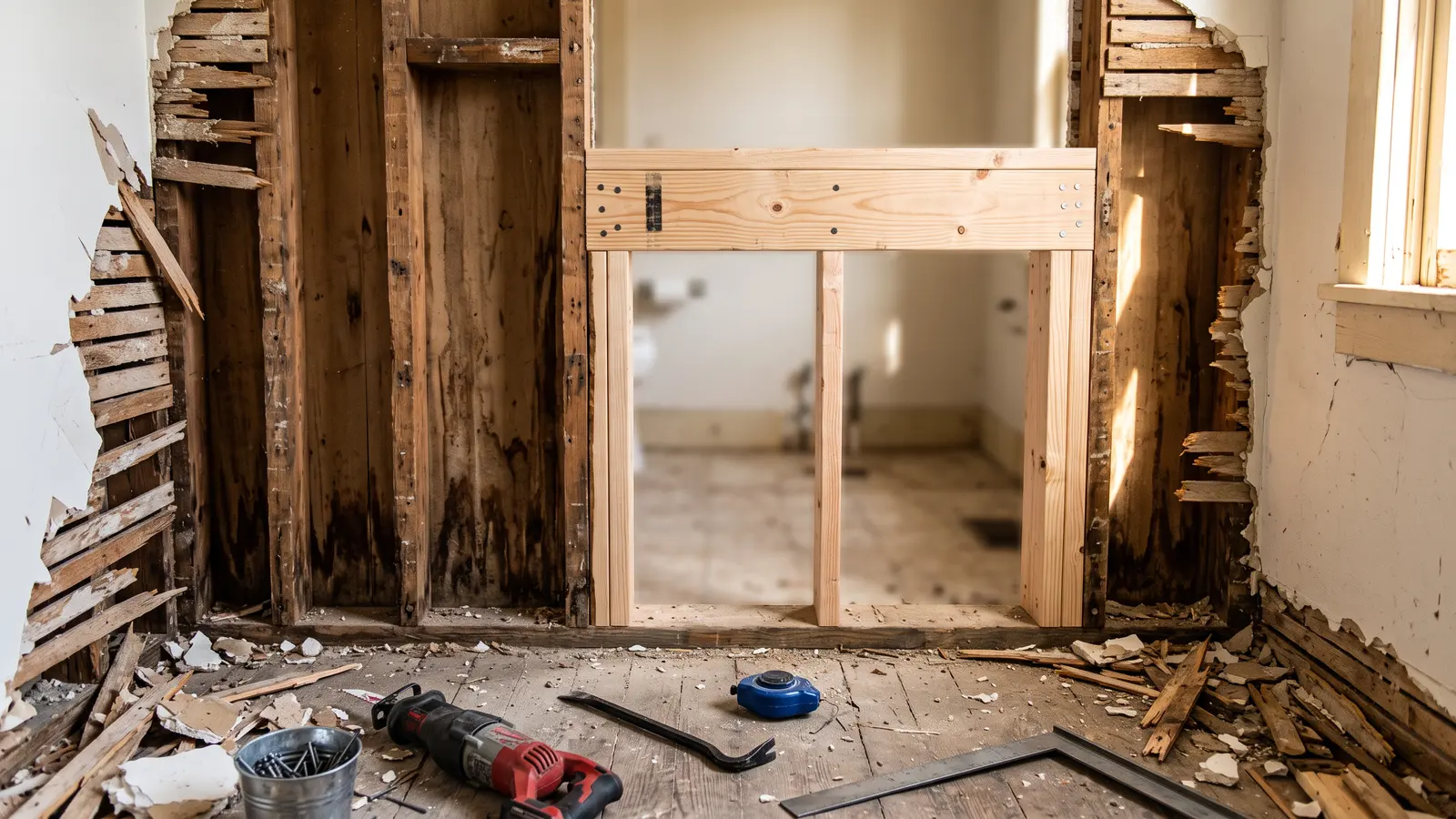
Nathan opens the closet and hallway by removing rock lath, then frames a new rough opening with 2x3 stock to match the original partition. He sets a flush threshold so the stacked unit can roll in without a lip. Cedar shims plumb the jamb before the door goes on. The finish work makes the opening disappear into the hallway, but the framing and threshold are what make the appliance usable.
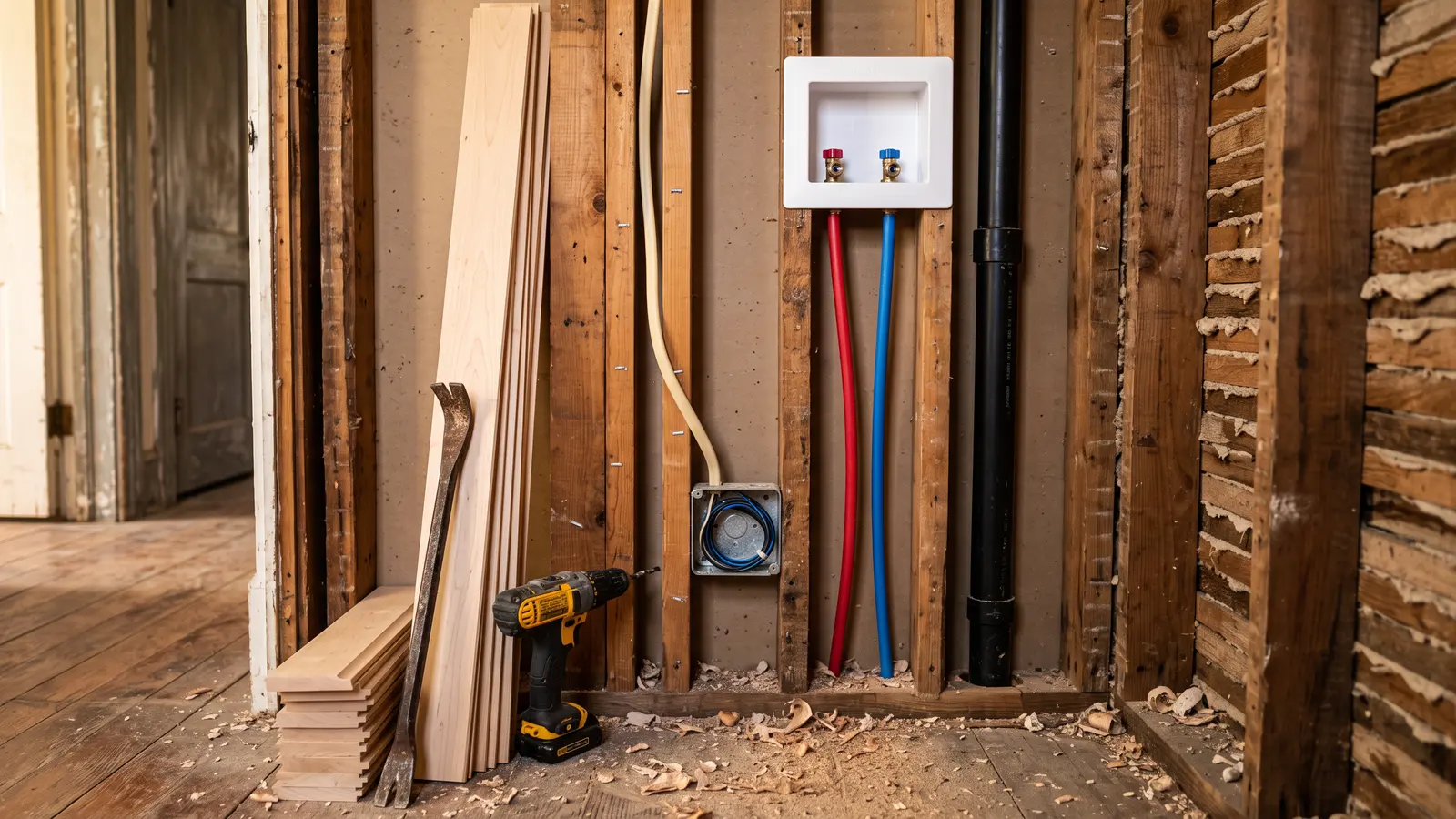
Richard handles the wet wall, and it is crowded. He installs a washing machine valve box with single-acting shutoffs, which lets you take pressure off the hoses when needed. The drain must be 2-inch for the standpipe. He adds a trap and tees off a capped line for the future shower valve that the bathroom installers will finish later.
The dryer vent has to share the same wall as the shower valve, the drain, and Heath's electrical. Richard uses a telescoping vent and works around the valve. The dryer connection sits at 40 inches, so he and Heath dock the vent and pass it into place. If you kept a Helper Scorecard from the Seabees and trailer hitch episode, this is a fair two-person moment: one person holds, one person guides, and nobody pretends it is a solo lift.
The same trio of Richard, Heath, and Nathan appeared in the garage storage and anode rod episode, and the through-line is serviceability. There, the lesson was replacing a cheap anode rod before the tank fails. Here, it is leaving access to the shutoffs. Richard says the valves can be reached from the basement or through an access panel. Either way, someone should be able to turn off the water without pulling the stacked unit out of the closet.
The finished unit has controls at mid-height, which Jim points out matters as they get older. Richard jokes about shrinking. Jim is already running a white load by the time the crew finishes. Nathan leaves homework: finish the bathroom, add the access panel, label the shutoffs for guests, stain the trim, and install a matching doorknob. That list is the honest close, because the laundry is functional but the room is not finished.
DIY Confidence Scale
Hearing protection demo: 1/10. Buying earplugs, learning to insert foam plugs correctly, and keeping a keychain case with you is a habit change, not a construction project. The only real difficulty is remembering that a hammer can peak above 120 dB.
Washer and dryer relocation: 7/10. This is not a starter DIY. It involves new 120-volt and 240-volt circuits, a 2-inch drain and trap, framing a new opening, relocating a thermostat, fitting a dryer vent around a future shower valve, and coordinating four trades in one small wall. A homeowner could handle demo, trim staining, and maybe the access panel. The electrical, plumbing, venting, and framing are pro-level work.
Additional Resources
Which would you rather start on a Saturday: a pair of earplugs in a keychain case, or a wet wall where the drain, dryer vent, shower valve, and 240-volt circuit are all negotiating for the same stud bay?
From the captions
Spotted on the job
Tools, materials, and techniques the episode actually showed or discussed. Names stay generic unless the episode said a brand. A name links to an Amazon search only when it is something a person could buy.
As an Amazon Associate, This Old Recap earns from qualifying purchases.
Tool
DIY-friendly
sound level meter
Steve used it to demonstrate the decibel levels of tools.
Product
DIY-friendly
Brand named in the episode
NIOSH SLM app
Steve used it on a phone to get rough sound-level readings from tools.
Tool
DIY-friendly
miter saw
Steve measured it at some readings over 100 decibels.
Tool
DIY-friendly
drill
Amazon search for drill (opens in a new tab)
Steve measured a regular drill driver at around 85 to 86 decibels.
Tool
DIY-friendly
hammer
Amazon search for hammer (opens in a new tab)
Steve measured hammer strikes with peaks above 120 decibels.
Product
DIY-friendly
foam earplugs
Steve showed how to roll them down, pull the ear back, and insert them properly.
Product
DIY-friendly
earmuff-style hearing protection
Steve showed over-ear hearing protection with an active noise-reduction feature.
Product
Pro-only
washing machine valve box
Richard fit it into the wet wall to supply the relocated washing machine.
The weekly recap
Get each new recap in your inbox the week it airs.
One email the week the new episodes are up, with links back to the full write-ups. Confirm once. Unsubscribe any time.
Keep reading
Related recaps
Also about Plumbing
This Old House · S47 E22
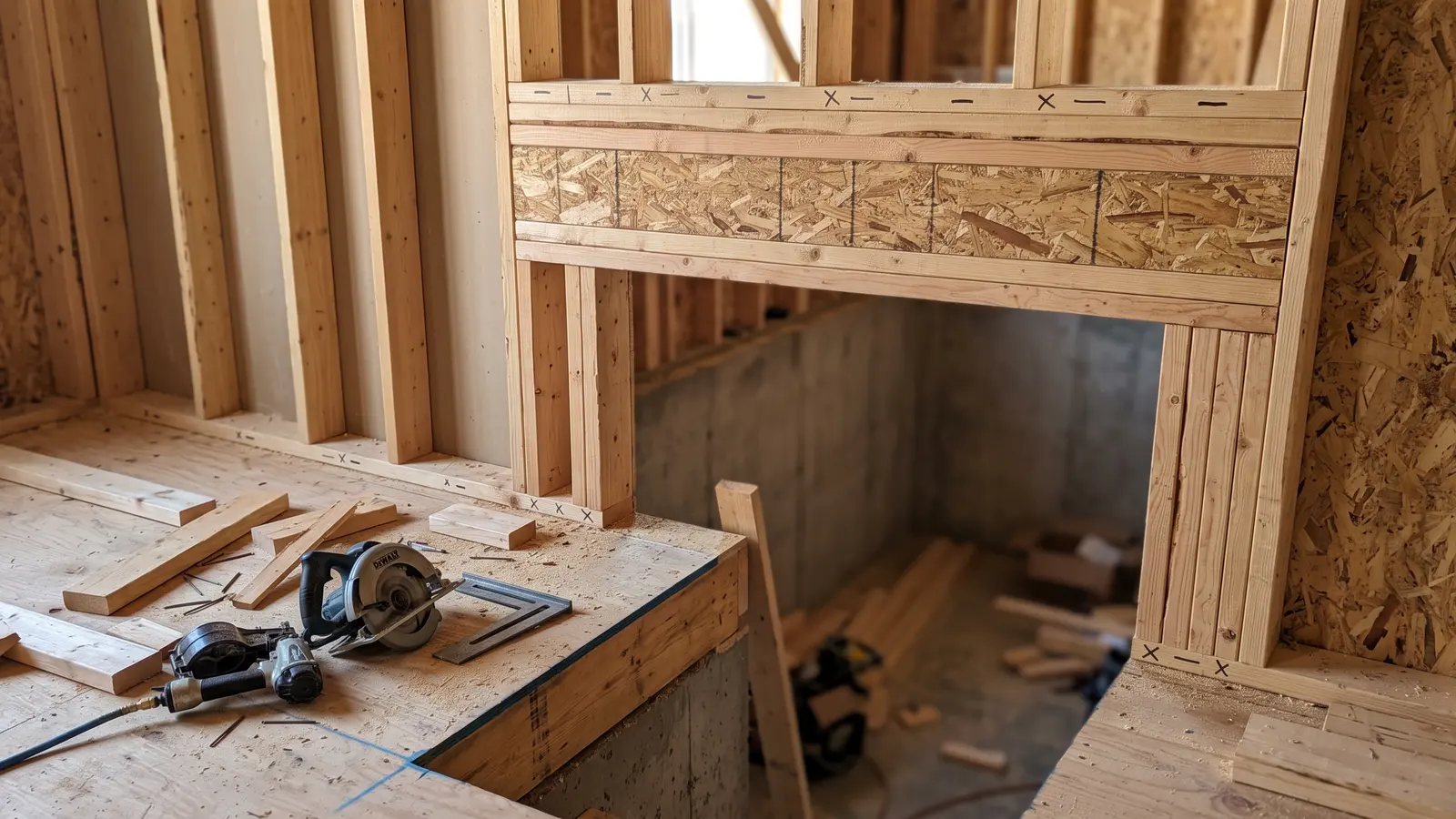
This Old House S47 E22: Walpole ADU Framing, Shared Utilities, and a Plumber's Flags
Also about Plumbing
This Old House · S47 E21
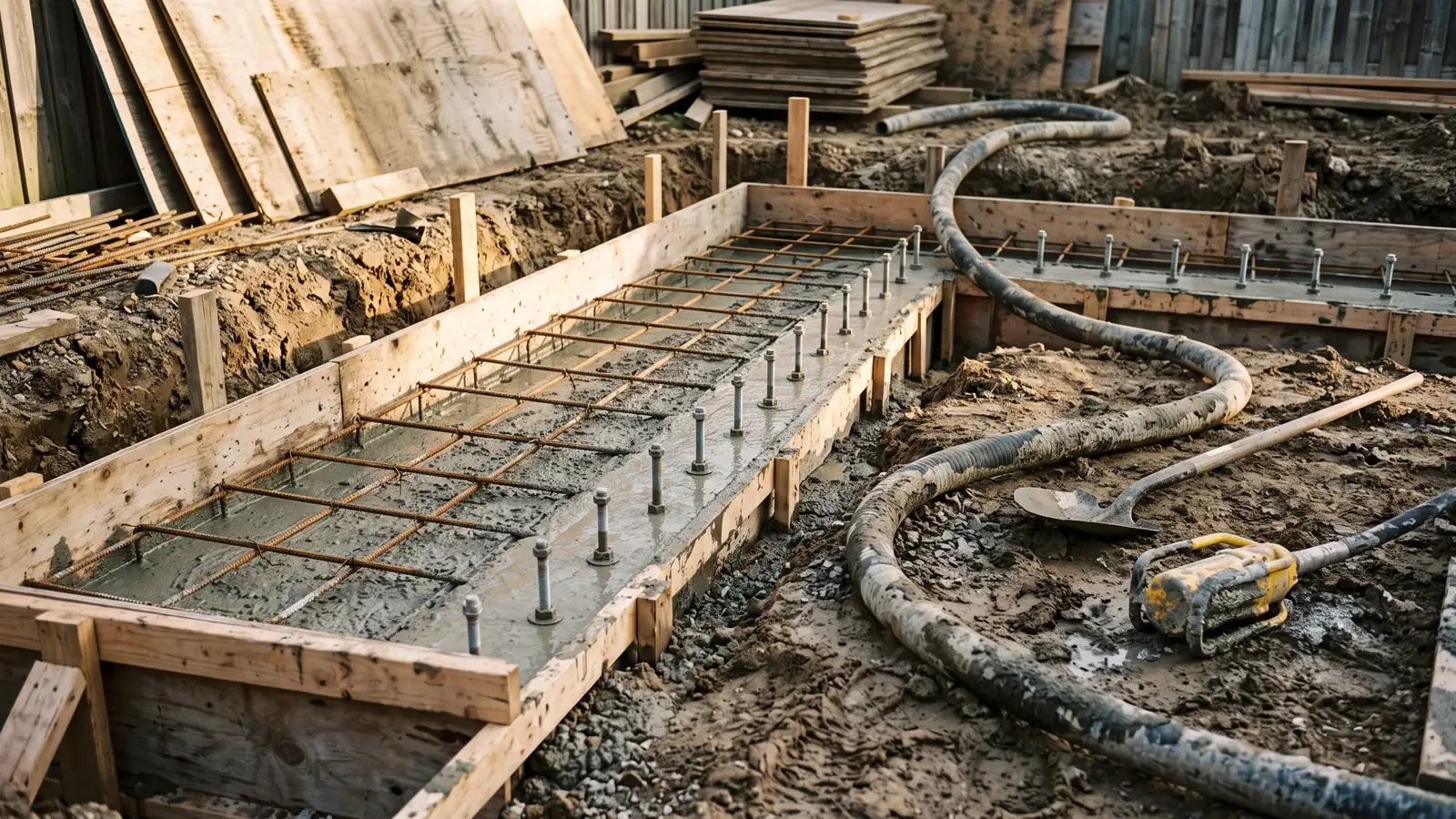
This Old House S47 E21: Walpole Ranch ADU Begins, a 38-Inch Frost Problem, and a Mechanical Room in Exactly the Wrong Place
Also about Plumbing
This Old House · S47 E6
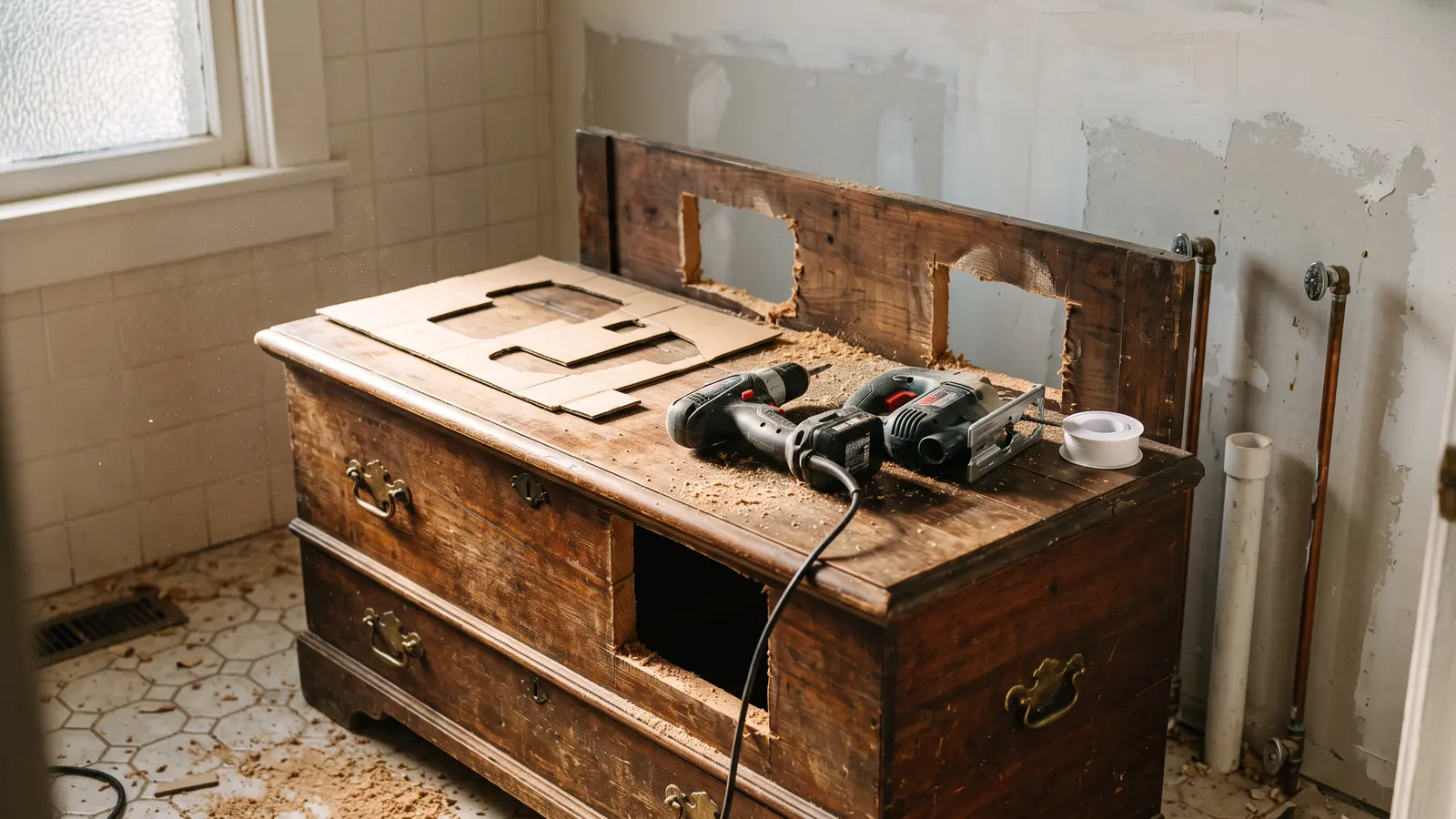
This Old House S47 E6: High Schoolers Building Homes, Updated Electrical Codes, and Tom's Antique Vanity Gambit
Also about Plumbing
This Old House · S47 E2