
Richard Trethewey Episodes
22 episodes tagged with "Richard Trethewey"
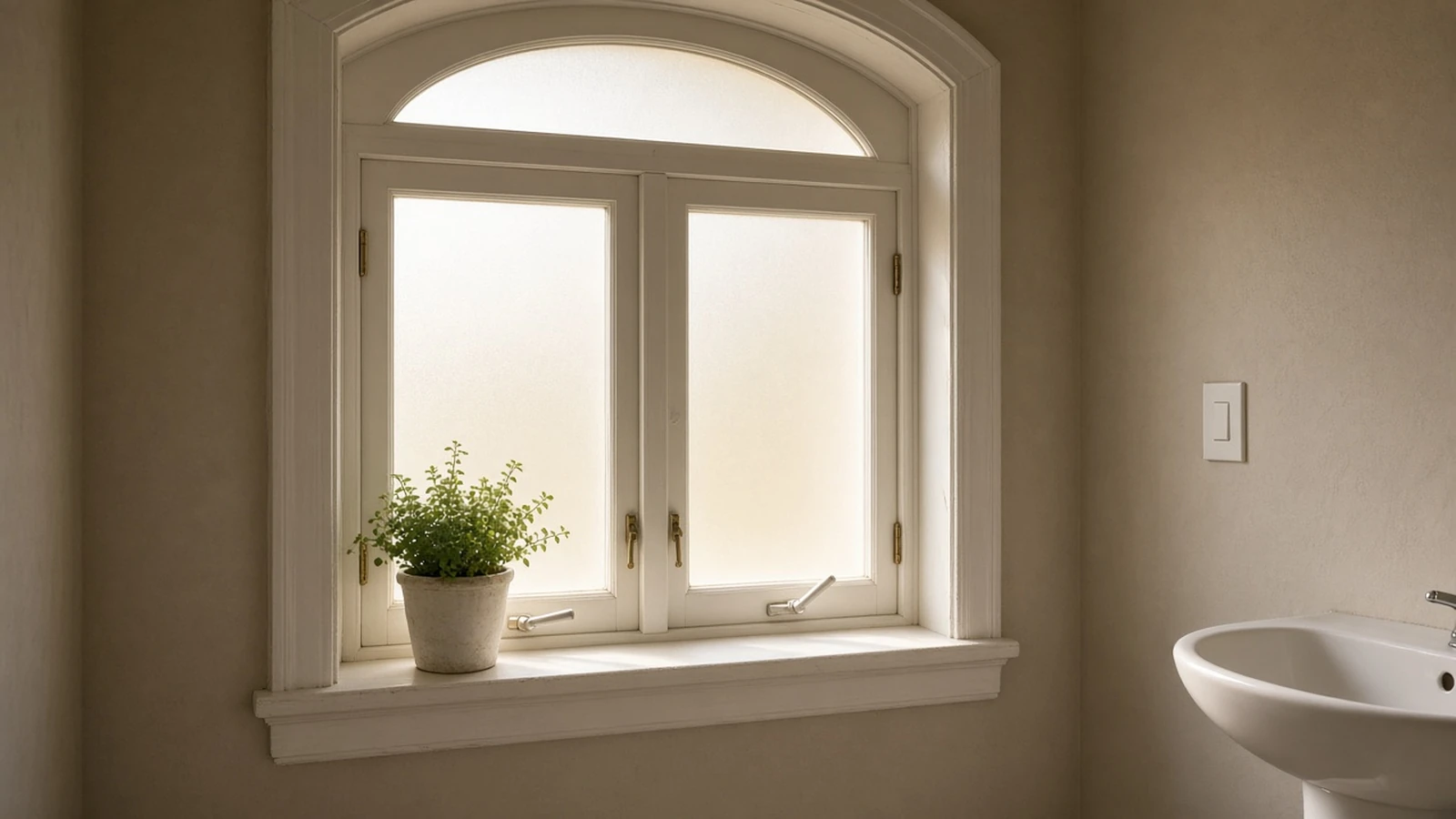
Ross Trethewey wires switchable privacy film onto a bathroom window from the attic above, the crew looks back at 25 years of smart home tech, and Jenn Nawada plants a Santa Fe walkway in three heights.
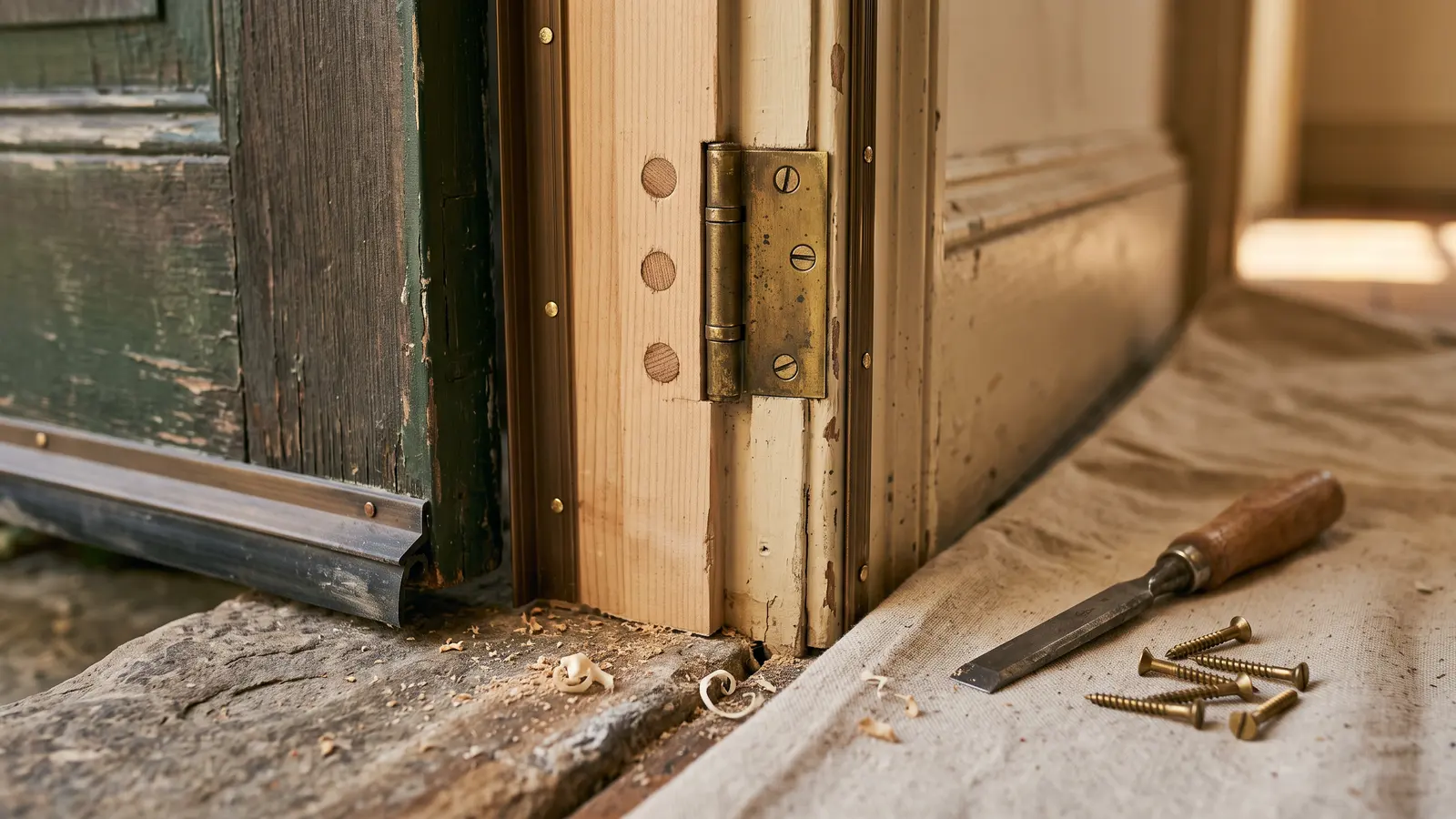
Ross Trethewey compares six kinds of insulation, Richard and Ross look back at 25 years of thermostats, and Nathan Gilbert rebuilds the hinges, lock, and sweep on an 1890 front door a kick could open.
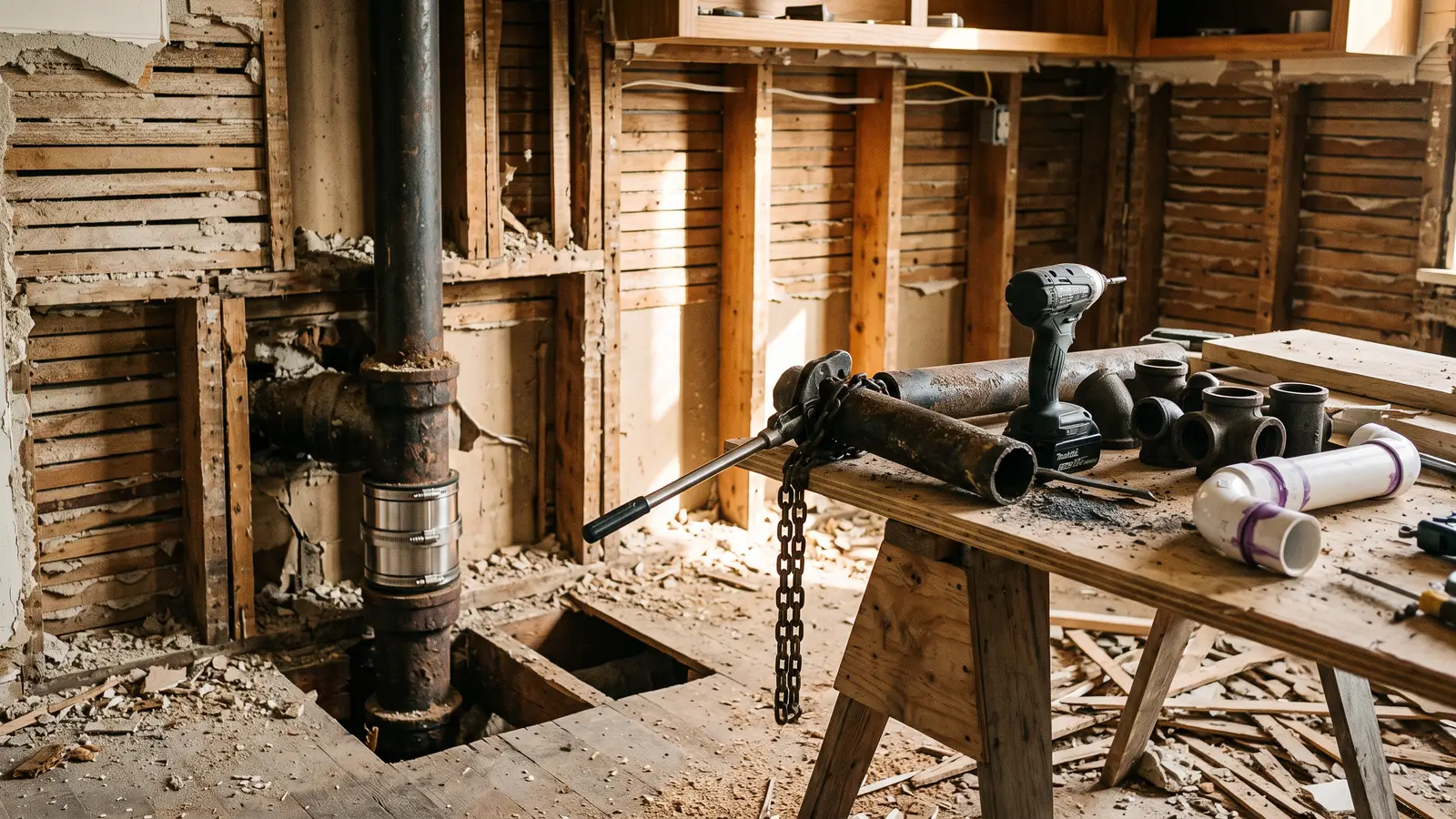
Essex County Colonial: Making Connections. A steel plate guards the wall-hung toilet tank, cast iron quiets the kitchen drain, and kickout flashing covers a low-pitched roof.
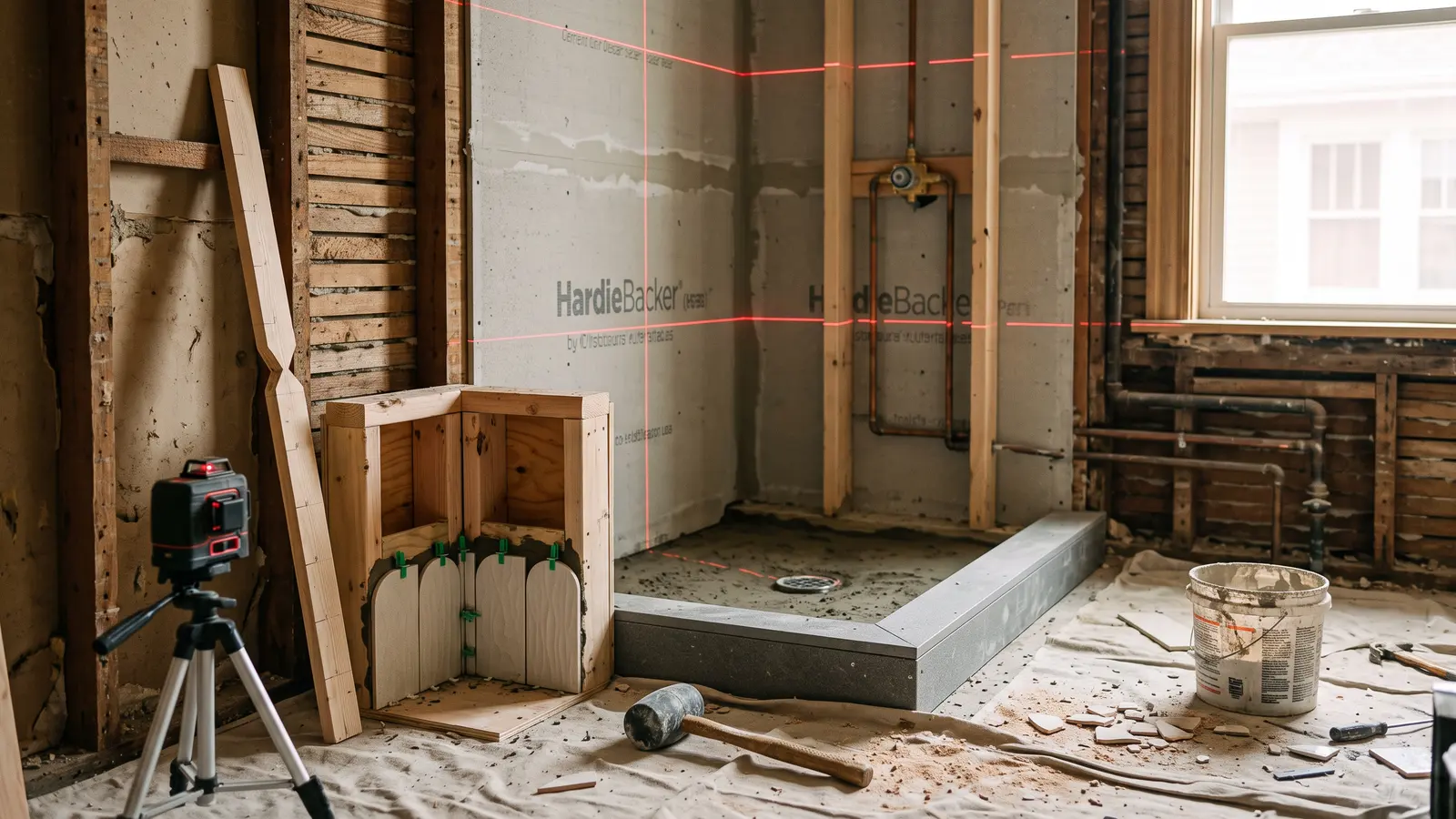
Essex County Colonial: Knock on Wood. A story pole lays out the bathroom tile before any tile goes up, a basement beam is cut and cracked, and the toilet tank moves into the wall.
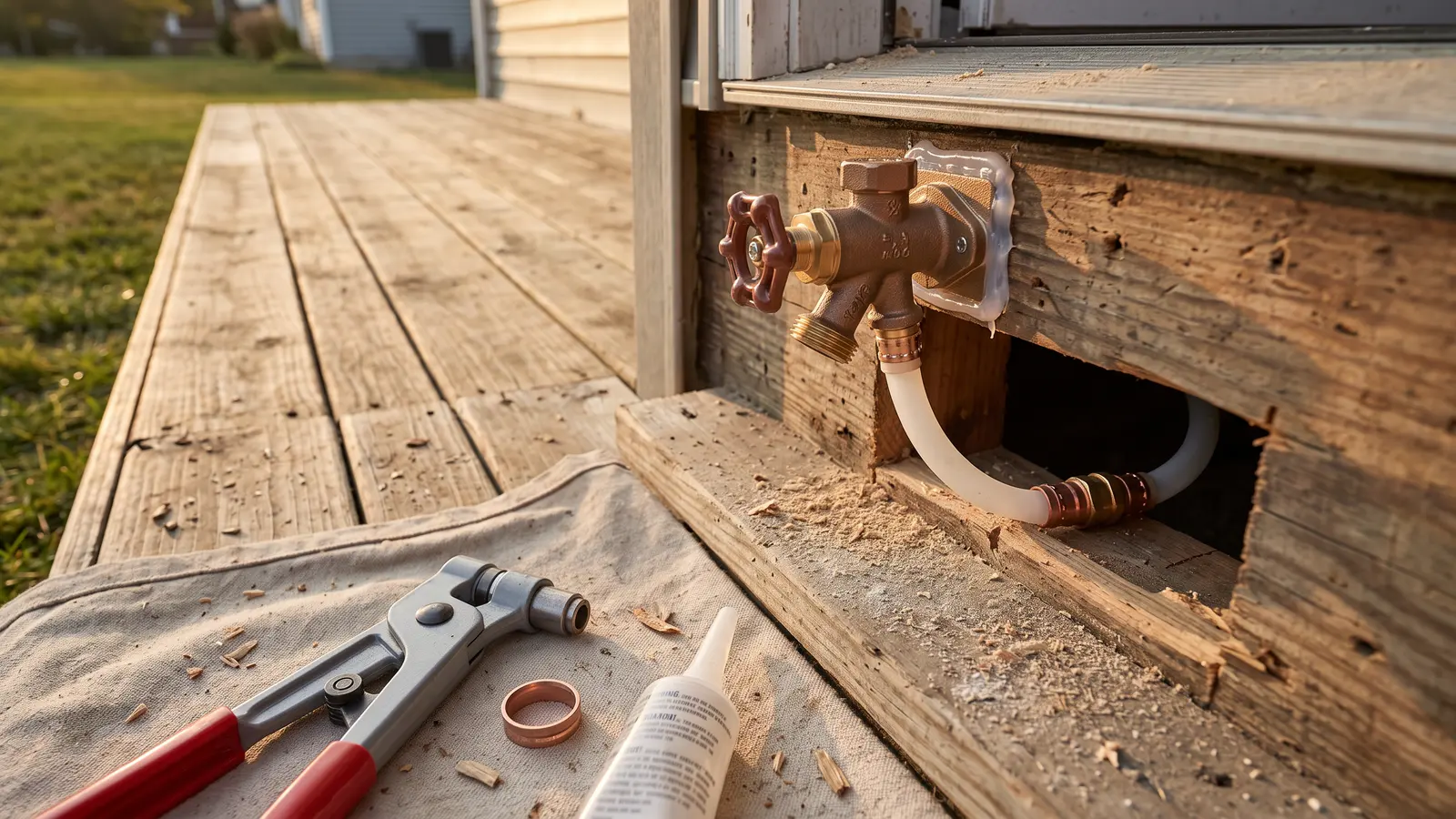
Richard Trethewey adds a backyard hose spigot with a frost-proof sillcock and PEX-A, Jenn Nawada takes cover crops from a 500-acre farm down to raised beds, and the cutaway reel makes the case for sawing things open.
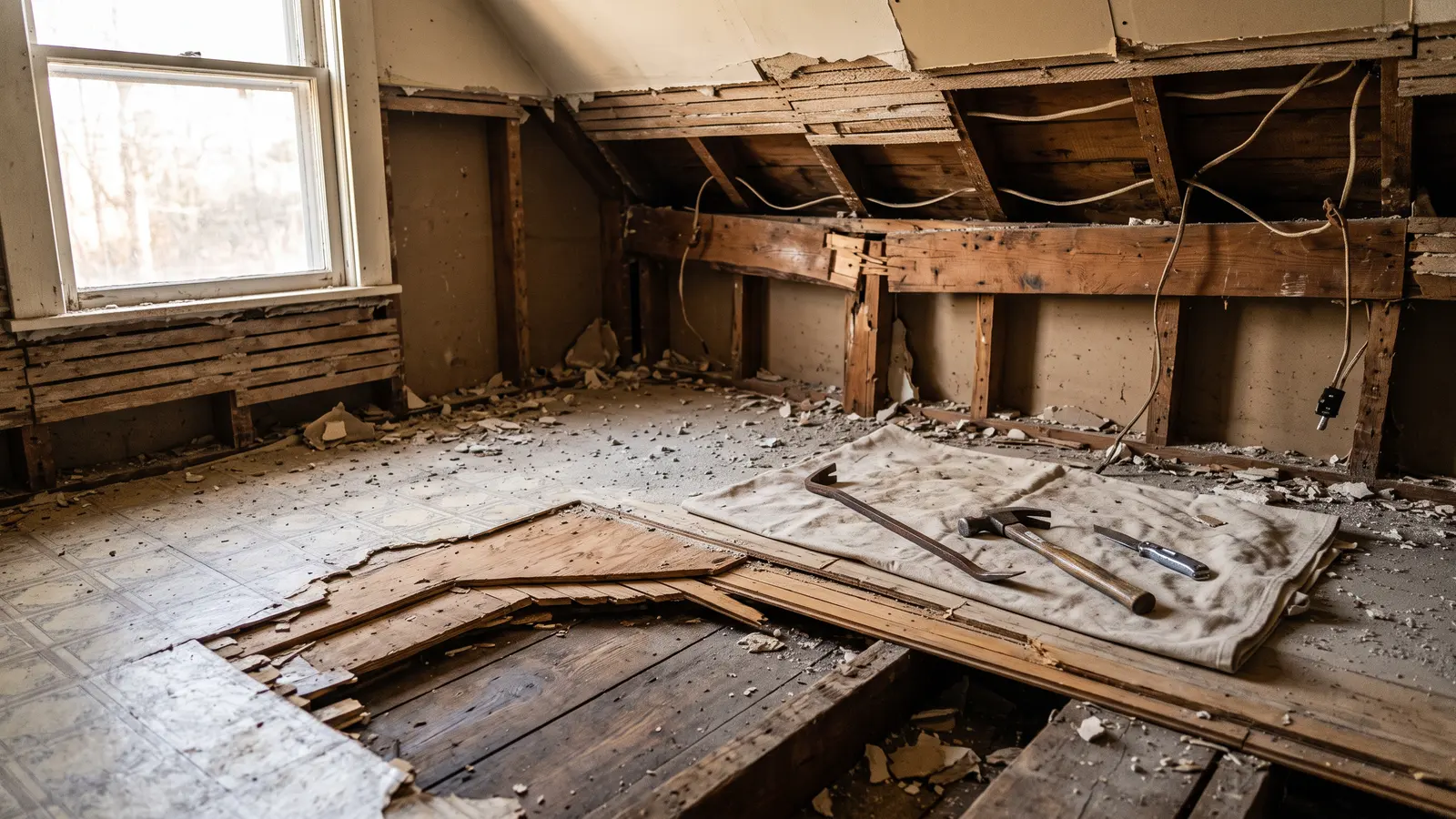
In the Season 48 premiere, 'Garden State of Mind,' This Old House takes on an 1893 Dutch Colonial in Essex County, New Jersey—complete with an octagon living room, a steam boiler worth preserving, and a kitchen where three layers of flooring hide structural sins.
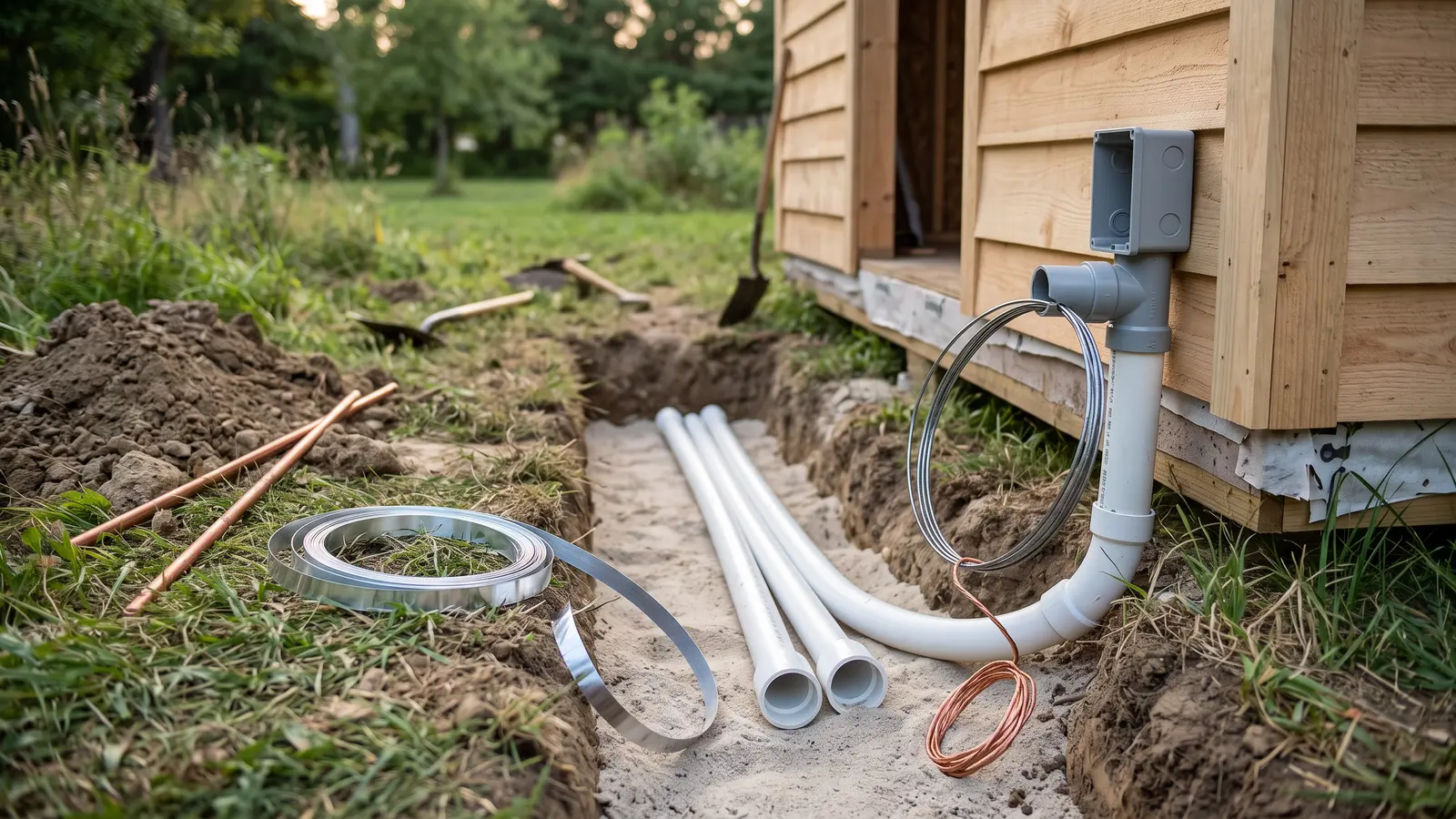
Heath Eastman and homeowner Jeff run a 60-amp feeder from the house panel to a new shed, with Ryan trenching, sand-bedded PVC conduit, two ground rods, and traceable caution tape. Mauro Henrique lays out the painting tools he actually reaches for, and Kevin hosts Compost or Dispose It with Richard Trethewey and Jenn Nawada.
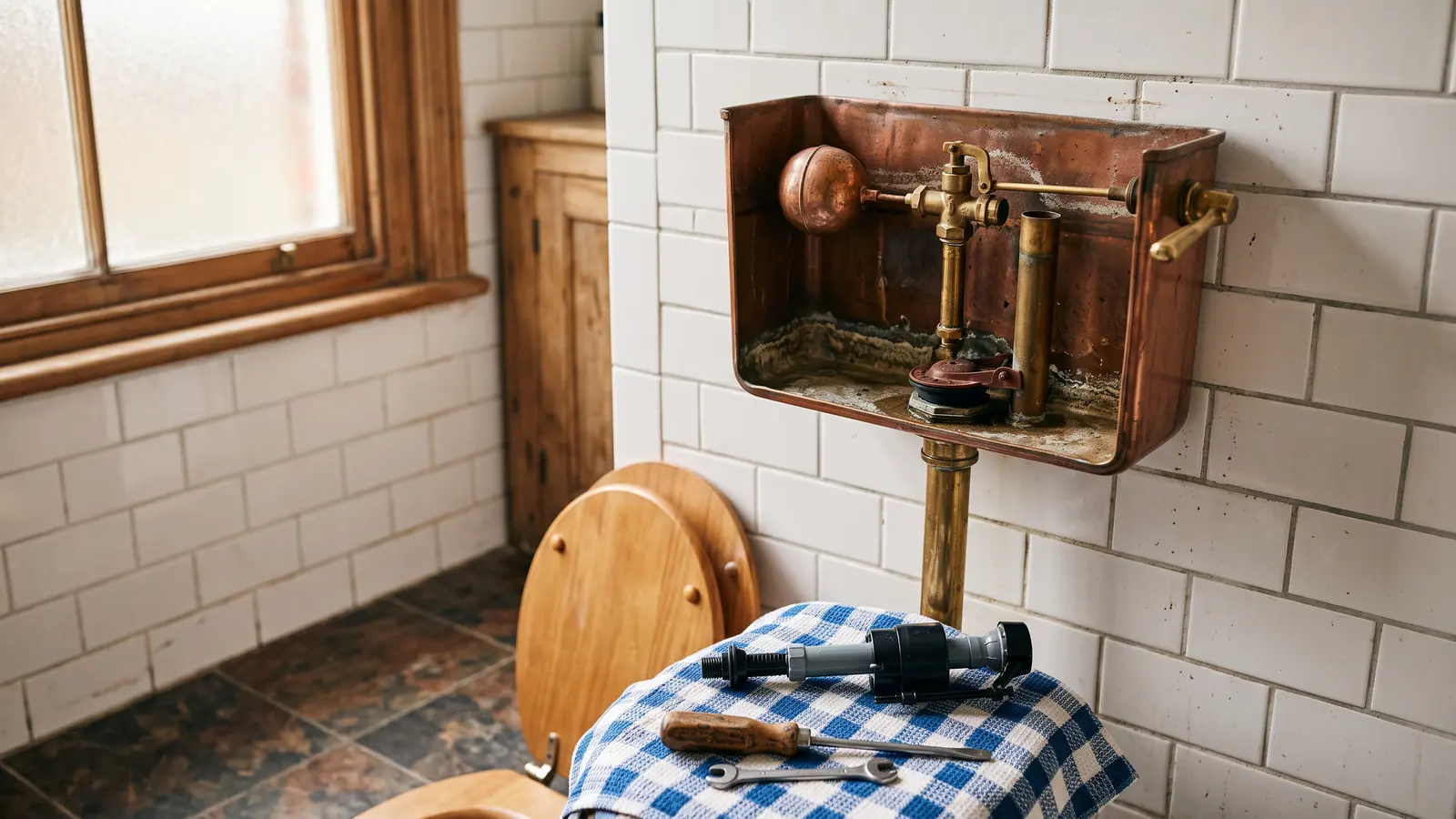
Nathan Gilbert measures and installs top-down, bottom-up cellular shades so Cece the guard dog can't see the street; Richard Trethewey walks Kevin through 150 years of toilet tank parts and running-toilet fixes; Jenn Nawada and Frank reshape a steep front slope with a mini excavator, a swale, switchgrass, and hydrangeas.
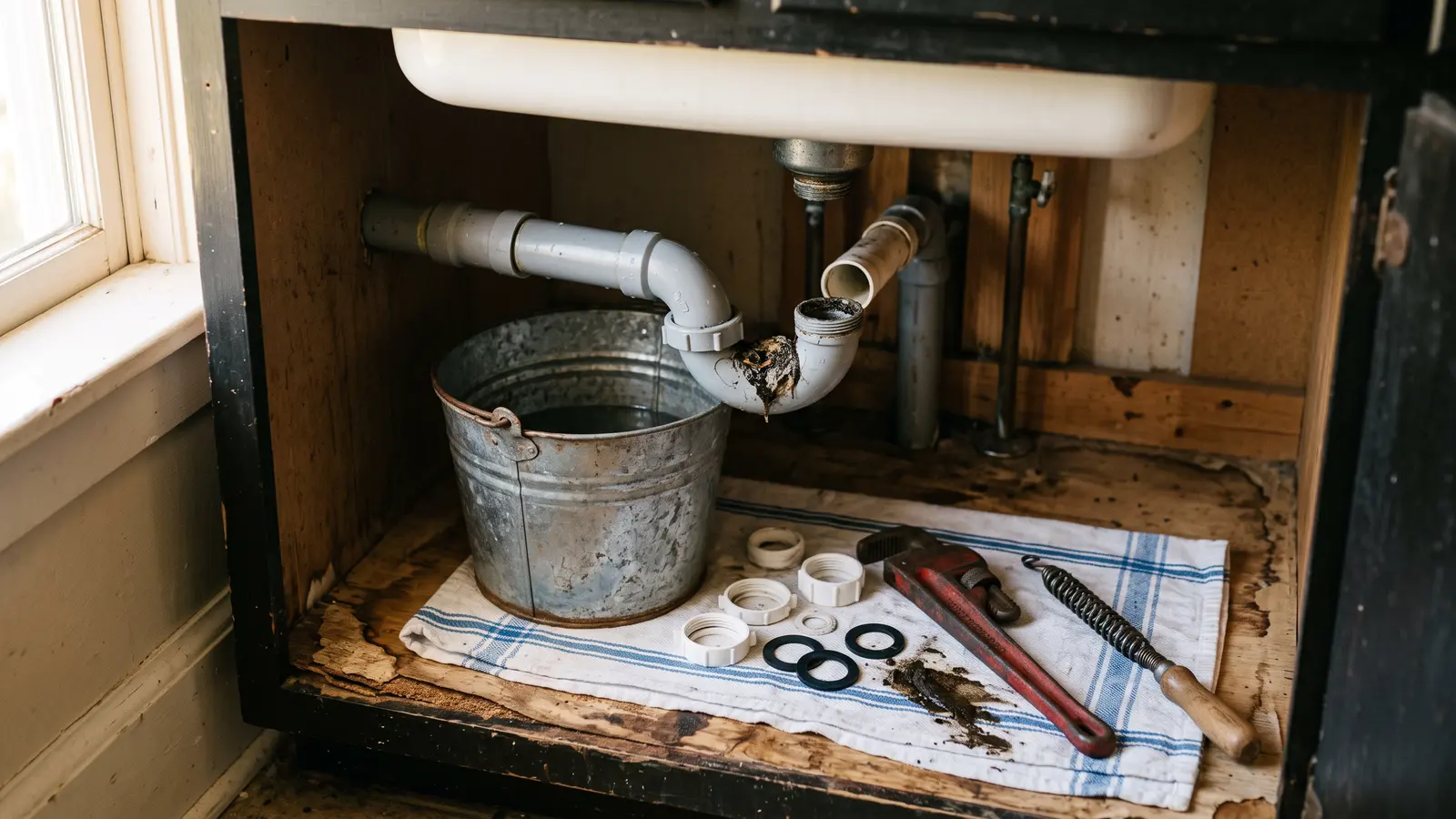
Richard Trethewey separates grease and hair clogs from chemical drain cleaners, Mauro Henrique compares at-home lead swabs with an XRF analyzer, and Mark McCullough sets granite treads into a New Hampshire slope so Pete can reach his fire pit without another tumble.
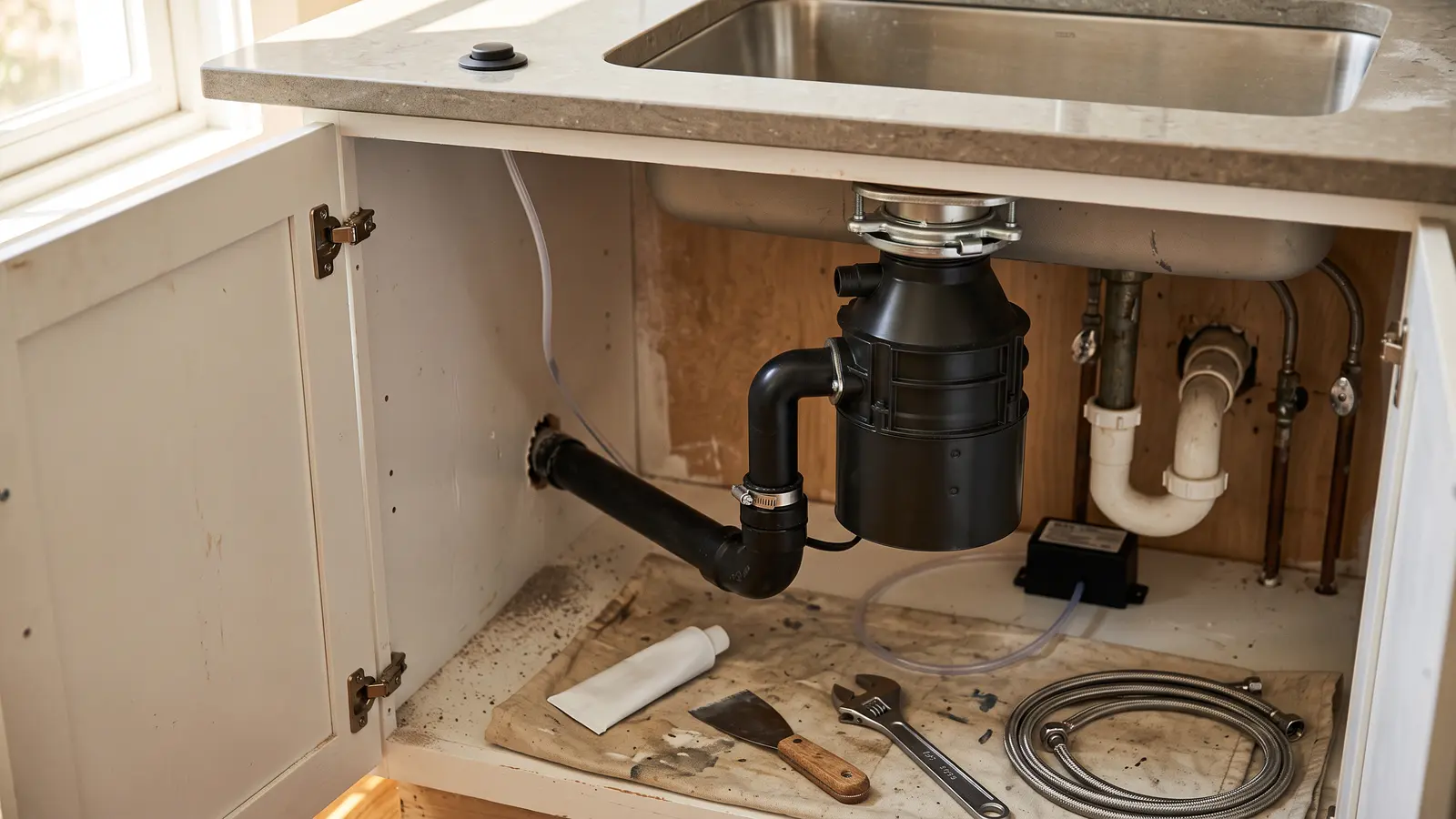
Tom Silva breaks down caulk types from latex to butyl, Richard Trethewey installs a garbage disposal with an air switch (and drills through granite), and Kevin O'Connor helps the young hosts of Toys and Colors build a dress-up closet with pocket screws and a miter saw.
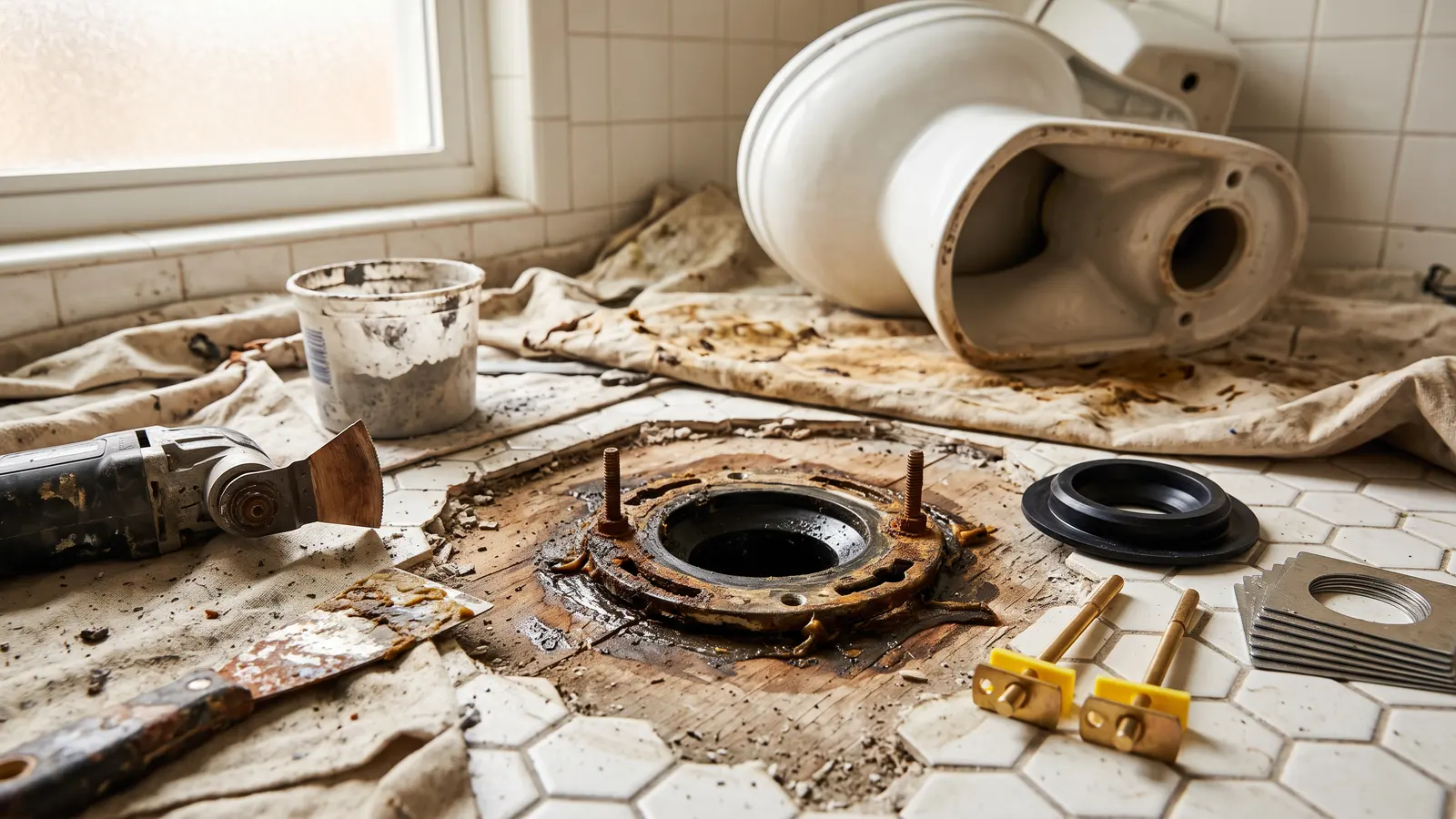
Richard Trethewey shows a no-wax flange kit with a rubber seal and longer bolts that handles a raised tile floor. Lee Gilliam walks Kevin through fuel, air, and spark on a gas mower, including ethanol separation and a genuinely filthy carburetor bowl. Nathan Gilbert turns a Cape's bar closet into a double-door speakeasy hidden behind a bookcase.
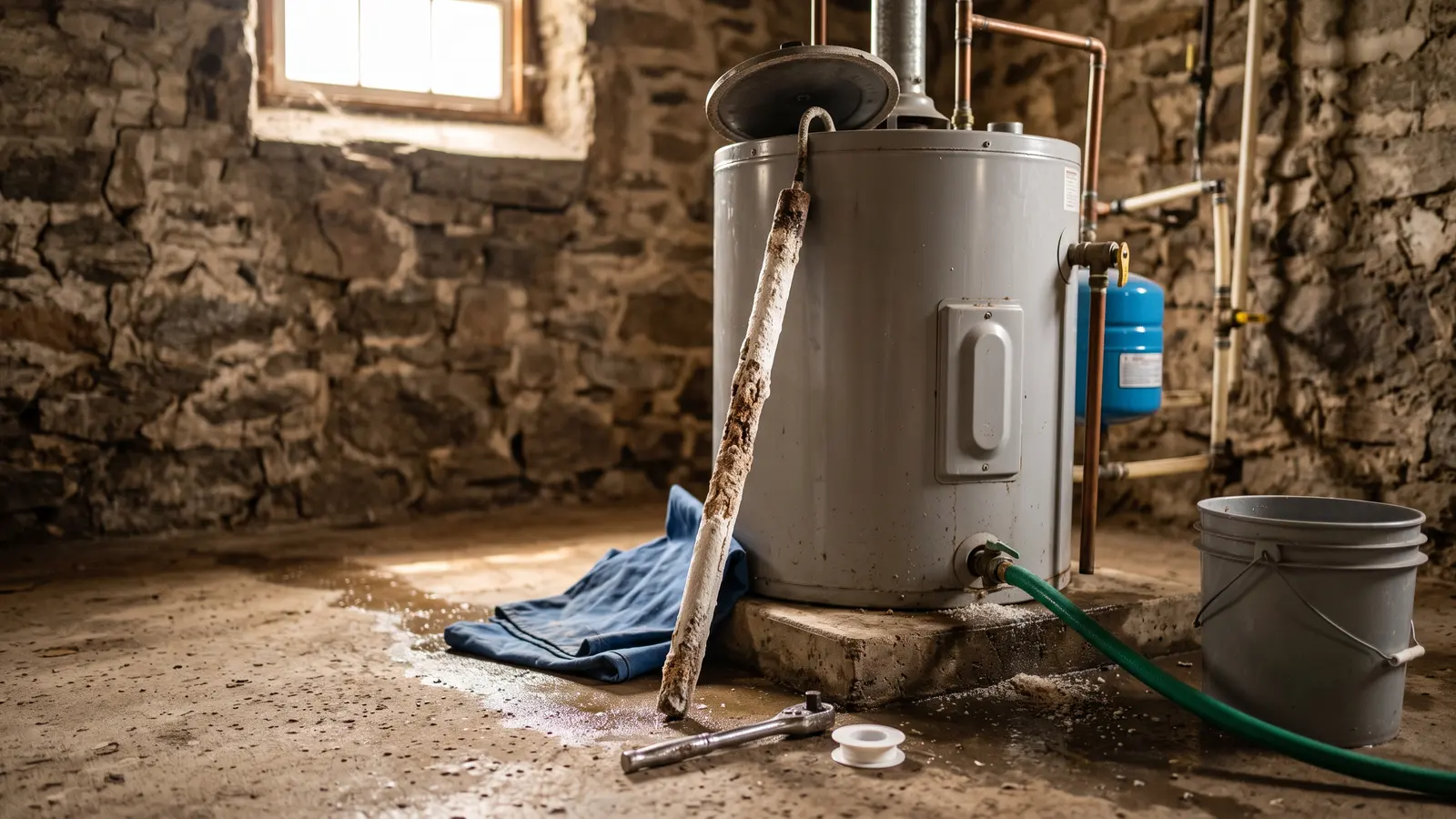
Nathan Gilbert helps an expectant mom tame garage chaos with a 600-pound-rated ceiling rack and heavy-duty shelving. Heath Eastman sorts out the traveler-wire puzzle behind three-way smart switches. Richard Trethewey opens up a neglected water heater and shows why the anode rod matters—and what happens when you ignore it for eight years.
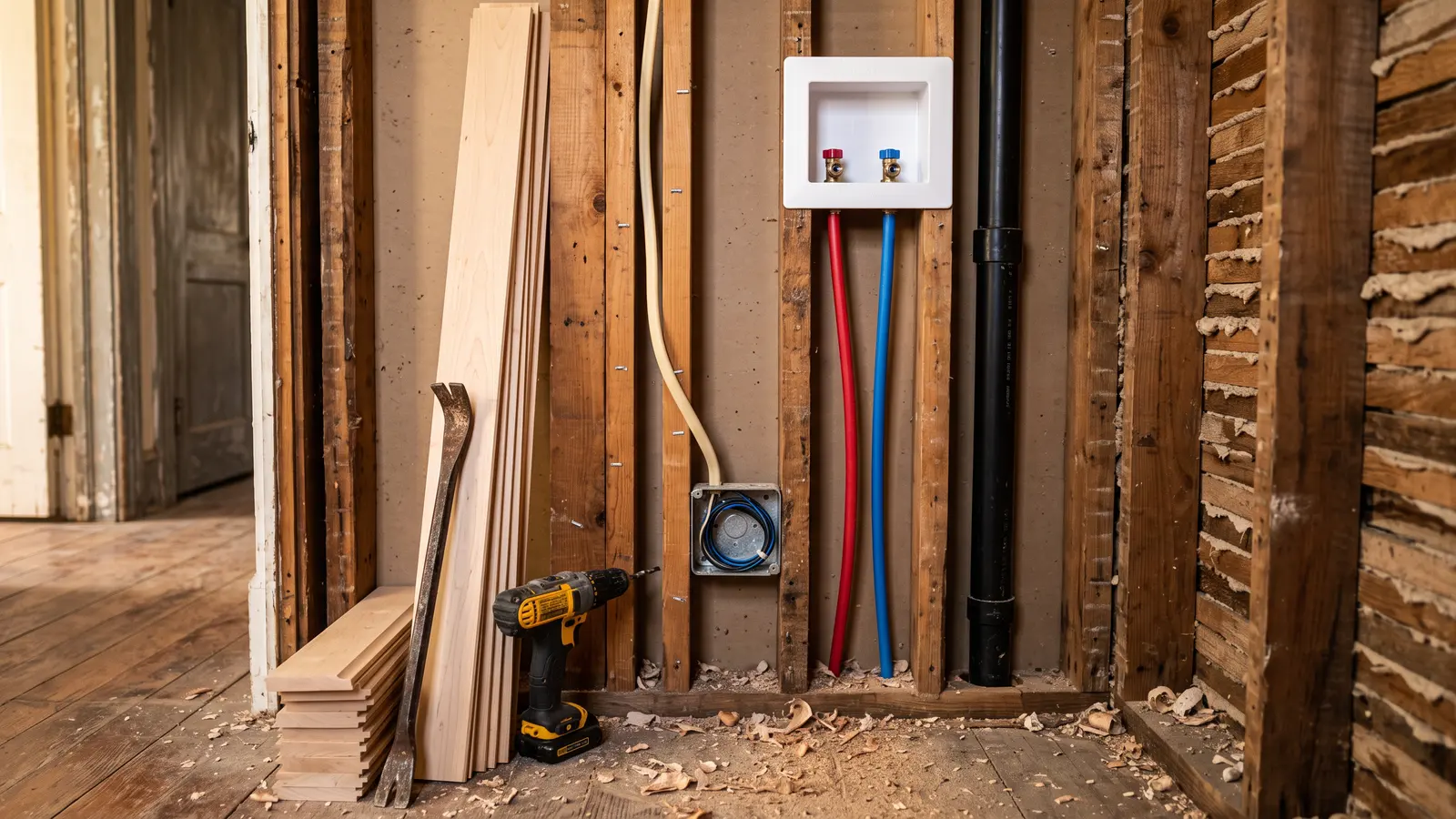
Kevin O'Connor gets a decibel demo from an audiologist: a miter saw over 100 dB, a drill around 85, and hammer strikes peaking above 120. Then Richard Trethewey, Heath Eastman, and Nathan Gilbert turn a bathroom closet into a first-floor laundry for Jim and Michele, with new 20-amp and 30-amp circuits, a 2-inch drain, a relocated thermostat, and a hallway door. The part TV compresses: getting the vent, valve box, wiring, and framing to share one wet wall.
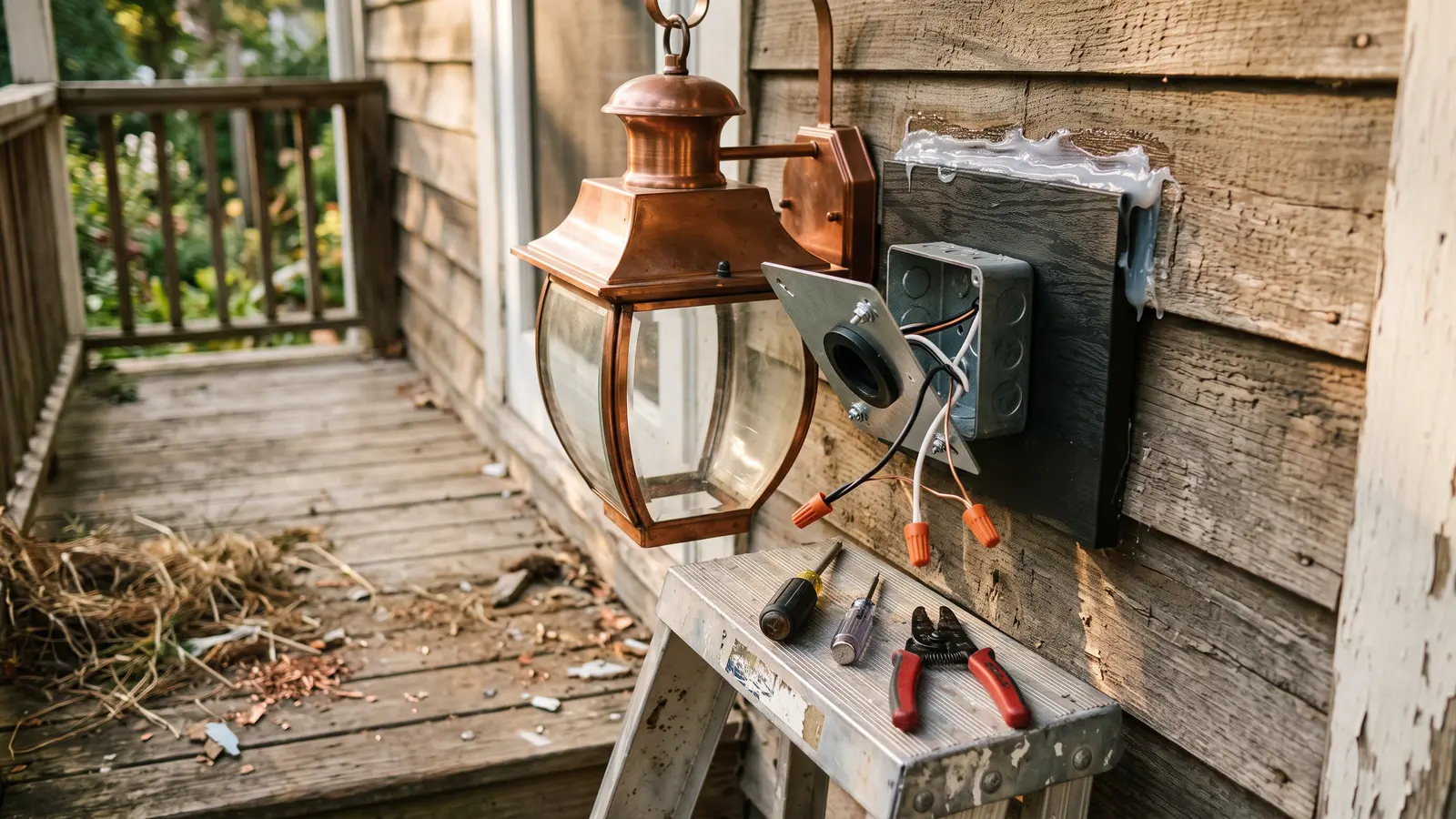
Heath Eastman tours a New Orleans copper lantern shop, then installs hand-riveted electric fixtures on a double shotgun with a local electrician. Richard Trethewey uses a cutaway to explain why a second flush is usually the wrong move, and Mauro Henrique preps, spot-primes, and DTM-paints a 15-year-old metal patio set.
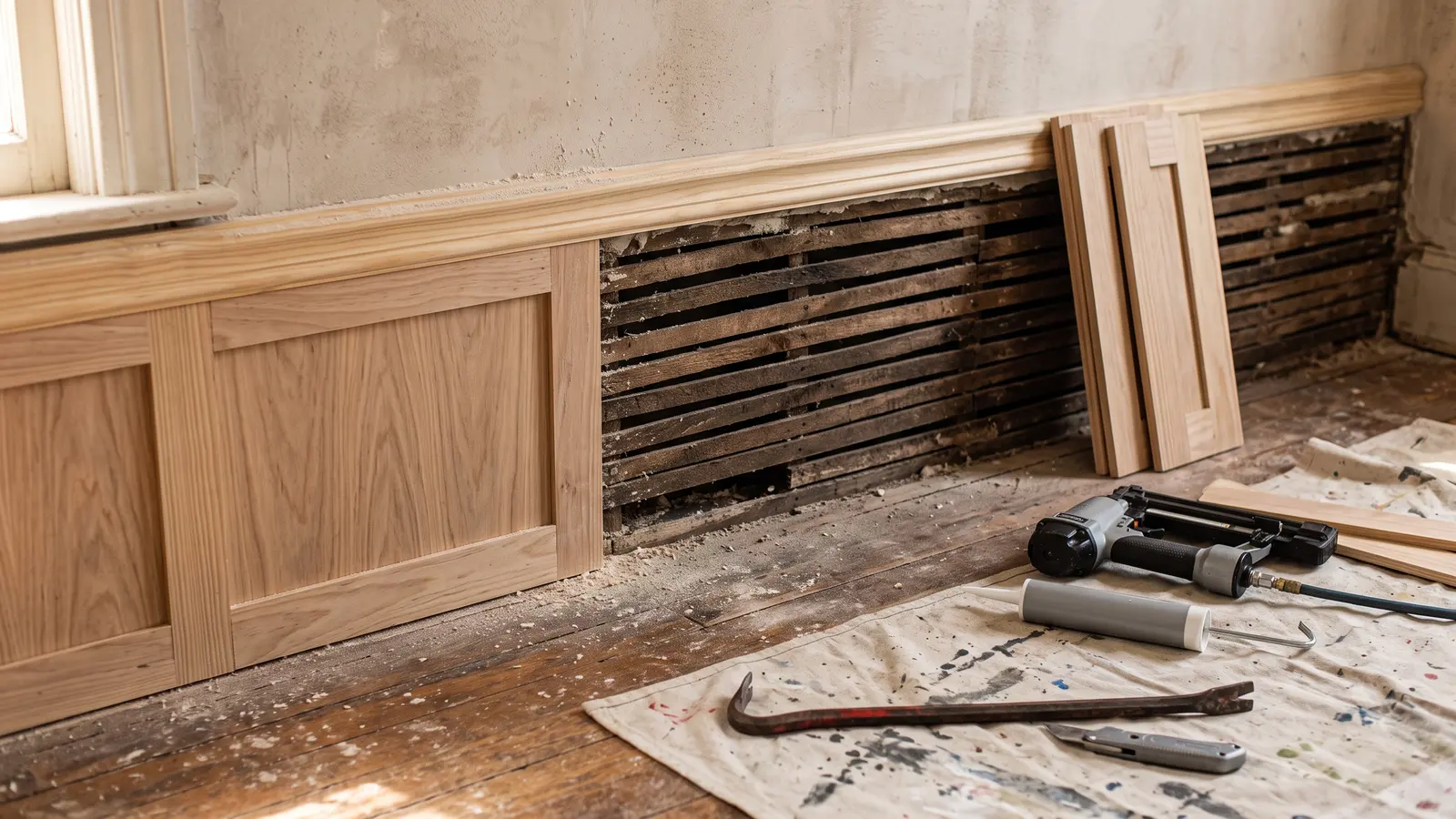
Richard Trethewey converts a smoky wood-burning fireplace to a sealed gas insert with a crew of licensed trades, Nathan Gilbert installs flat panel wainscoting in an old dining room, and Tom Silva stumps the table with a spring-loaded nail set.
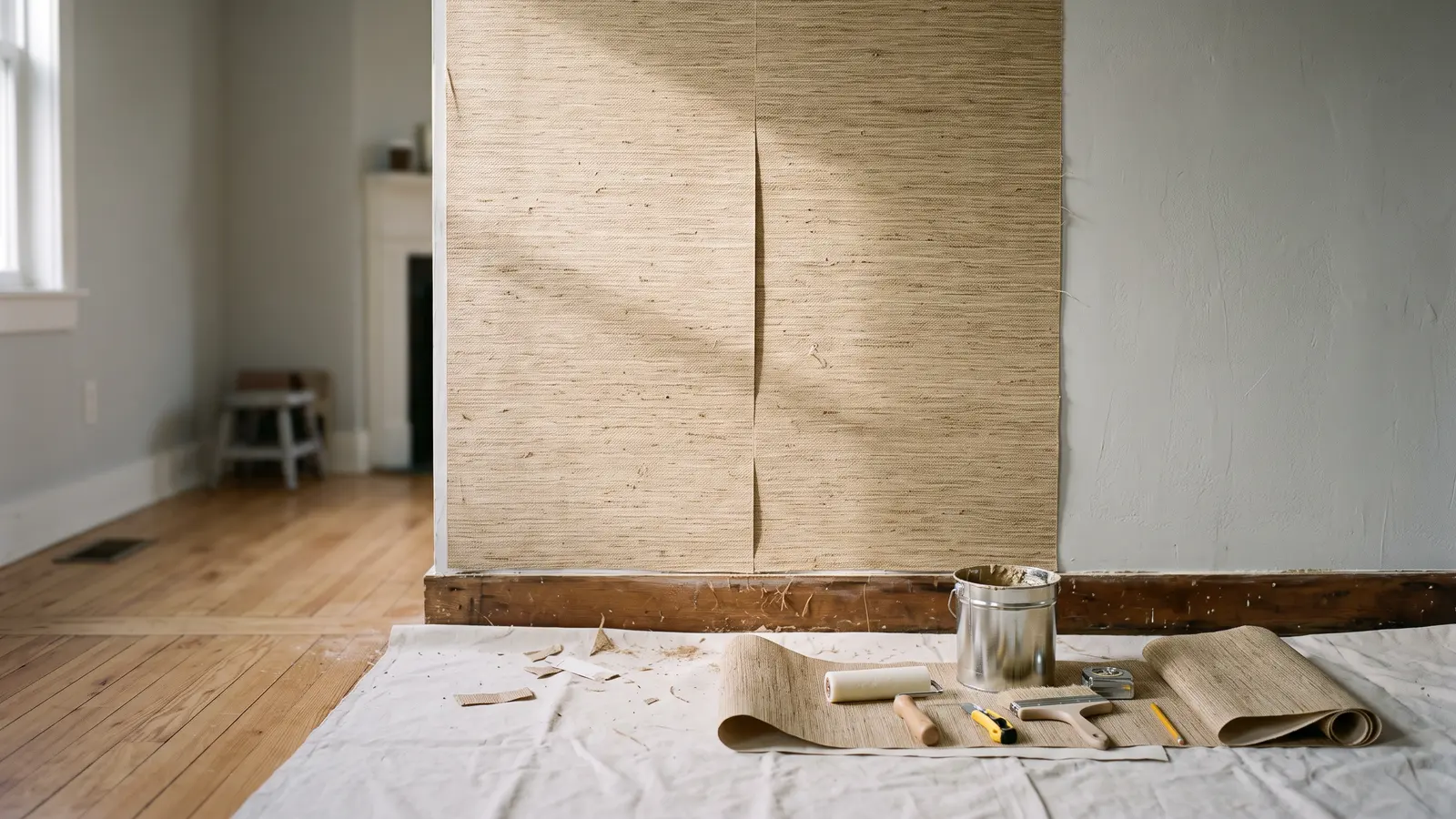
Carmen Gonzalez hangs grass cloth on a Miami accent wall, Lee Gilliam sorts pop-up, rotary, drip, and hose-end sprinklers, and Richard Trethewey cuts a submersible sump pump into a wet basement floor. Same question in all three: where do you want the water to go?
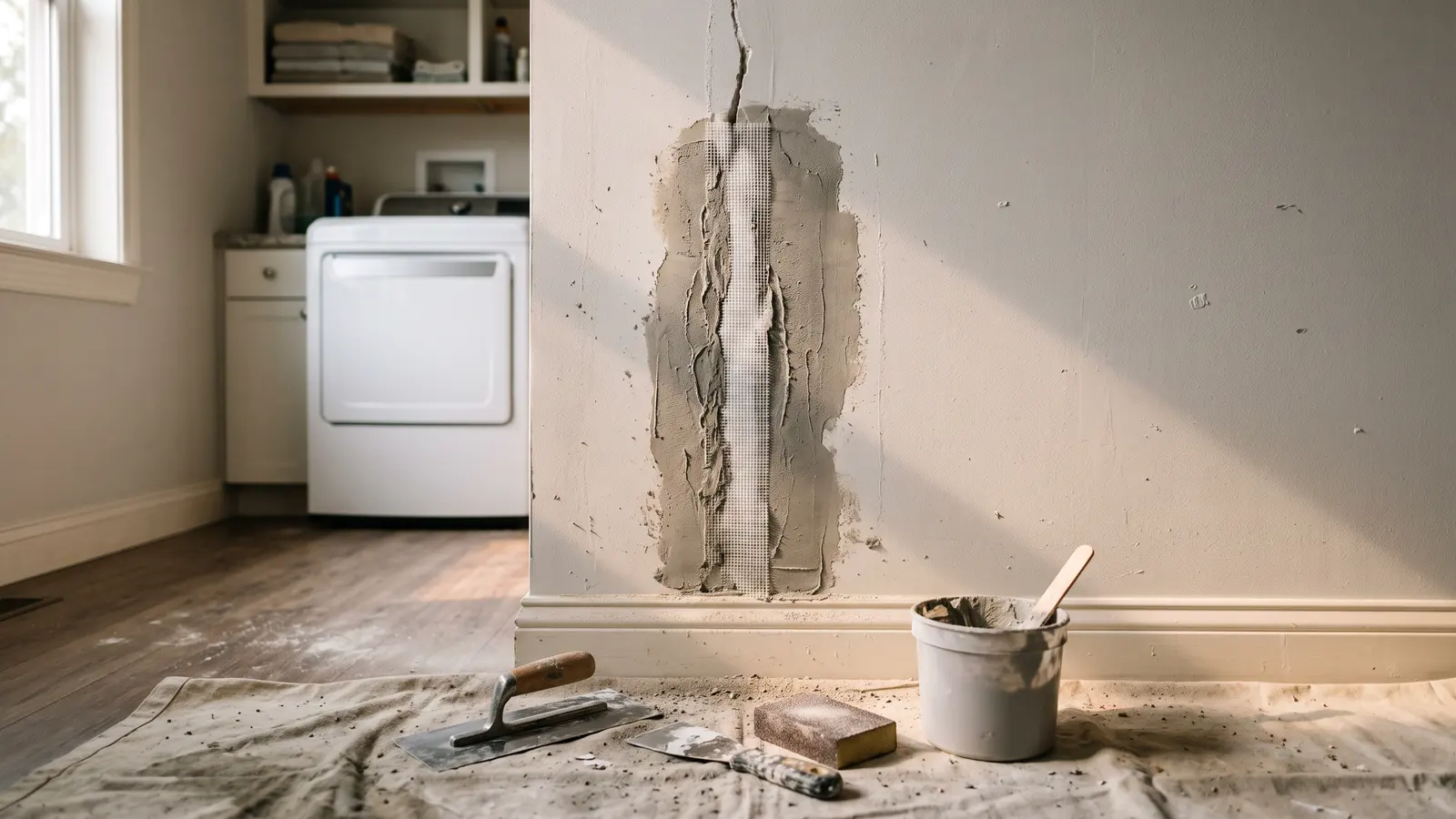
Mauro Henrique fixes a returning drywall crack with mesh tape, Tom Silva baffles the crew with an inflatable lifting tool, Mark McCullough walks through a thousand years of brick, and Richard Trethewey upgrades two baseboard covers without tearing out the old heating.
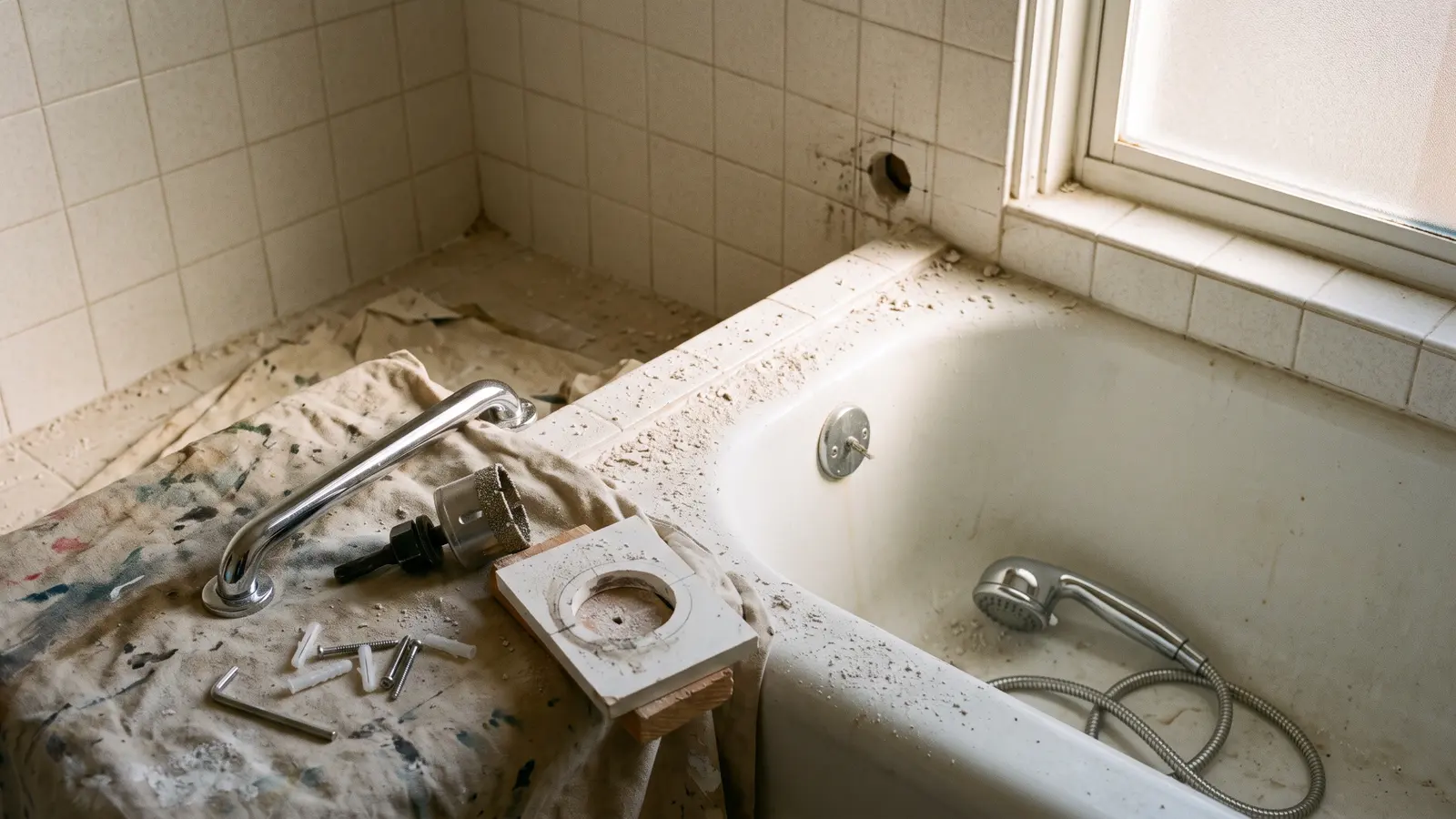
Richard and Nathan install grab bars and a hand shower for Margaret, who wants to stay in her 1890 house. Tom and Nathan replace rotten wooden gutters on Regina's 1882 home, sistering rafter tails, scribing a new gutter profile, and sealing with lead and boiled linseed oil.
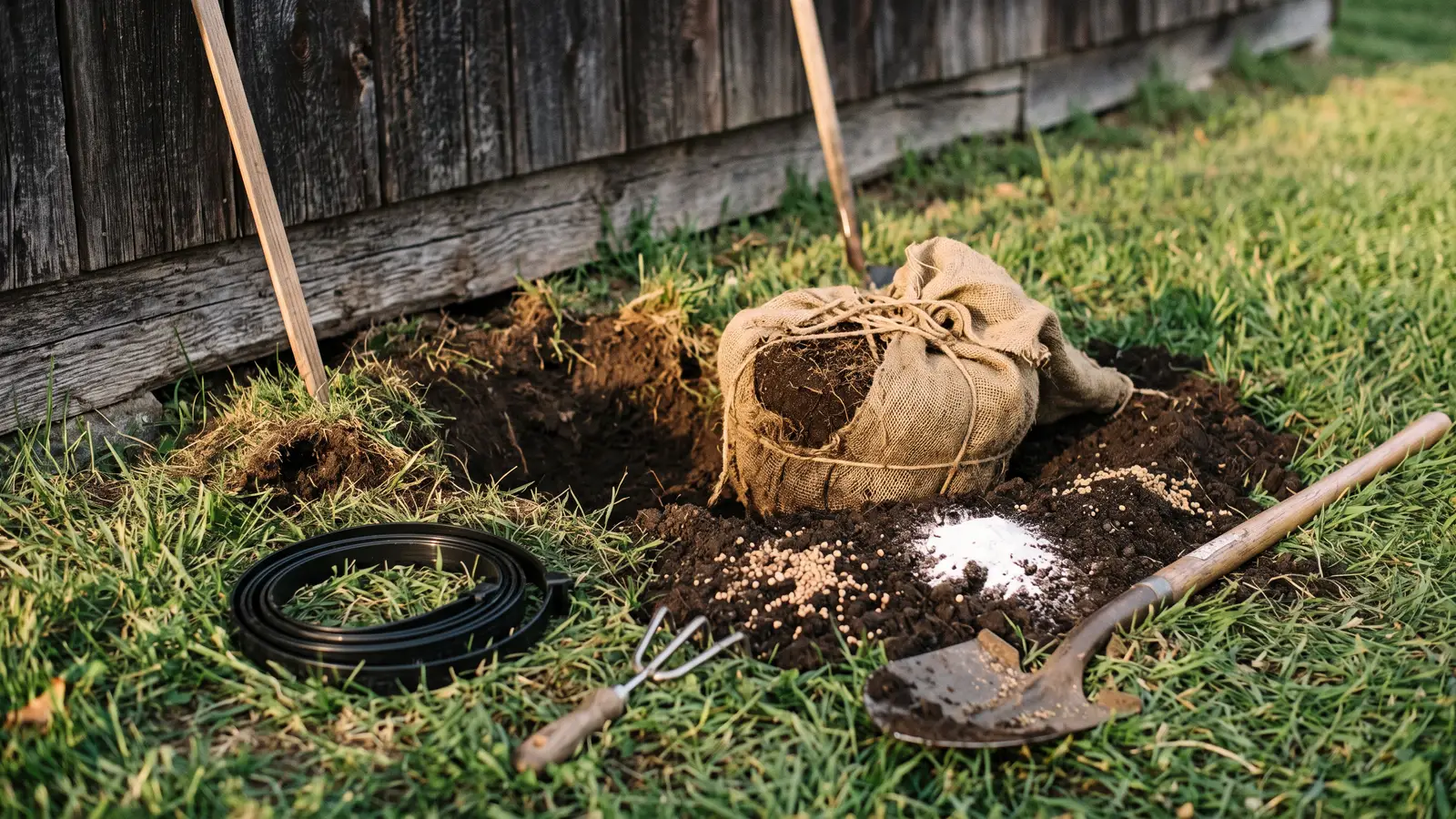
The tribute episode slows down to remember Roger Cook through Latin plant names, the three-cut pruning method, muddy jeans, and the Parrotia persica planted at the barn. It is less a repair lesson than a reminder that Roger's real craft was teaching people to do the work right.
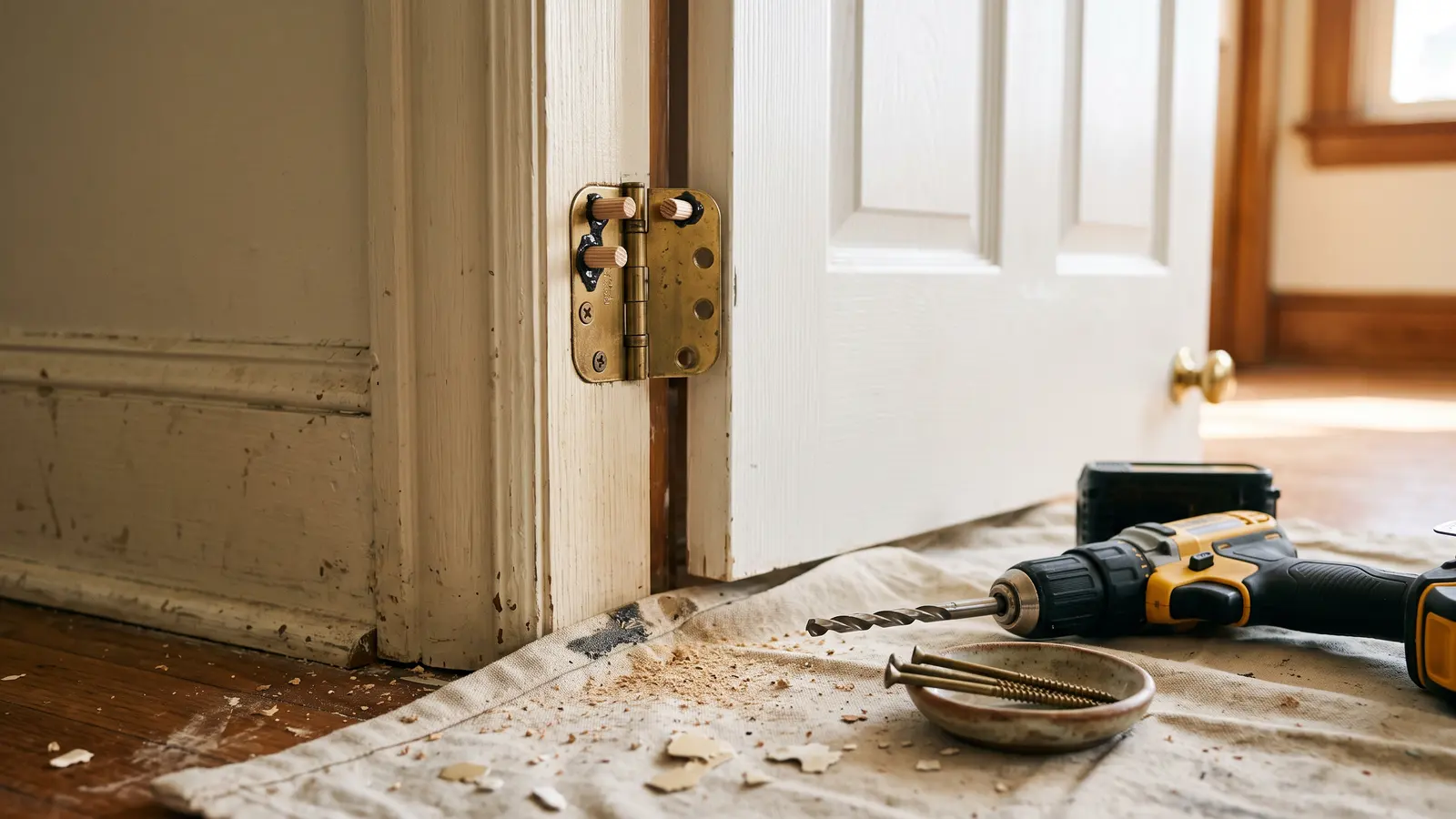
Lee Gilliam helps Kristen add a dedicated drip zone for container plantings in Austin, licensed irrigator Aaron ties into the mainline, Richard Trethewey weighs PEX against copper, and Nathan Gilbert repairs a door hinge with dowels, epoxy, and longer slotted screws.
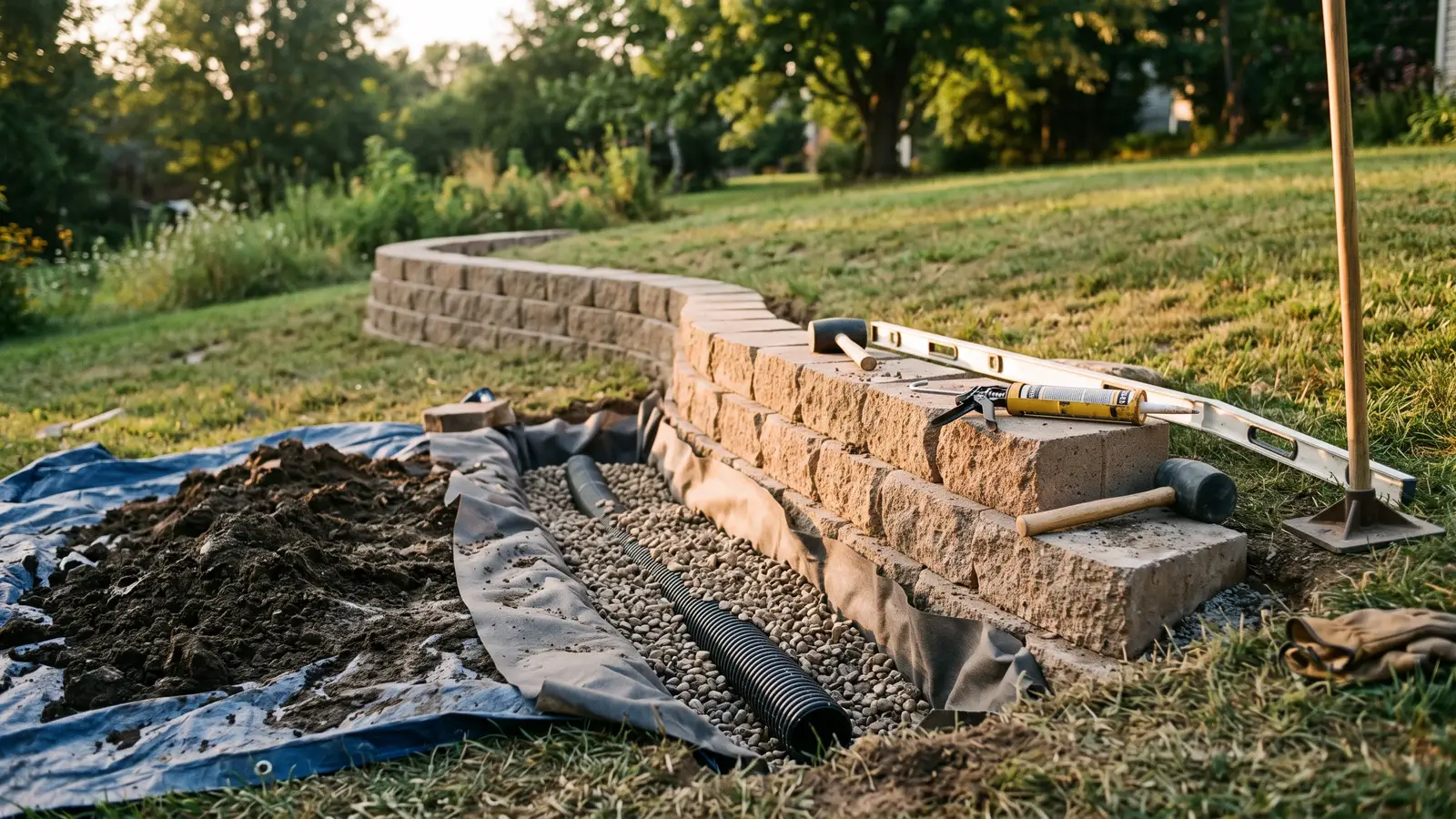
Richard Trethewey shows what mini split upkeep actually involves: filters, cowl, coils, outdoor condenser. Mark McCullough and Jenn Nawada build a two-foot retaining wall for curb appeal. The wall is the visible win; the perforated pipe, gravel, fabric, and racked-back courses are the reason it should stay put.
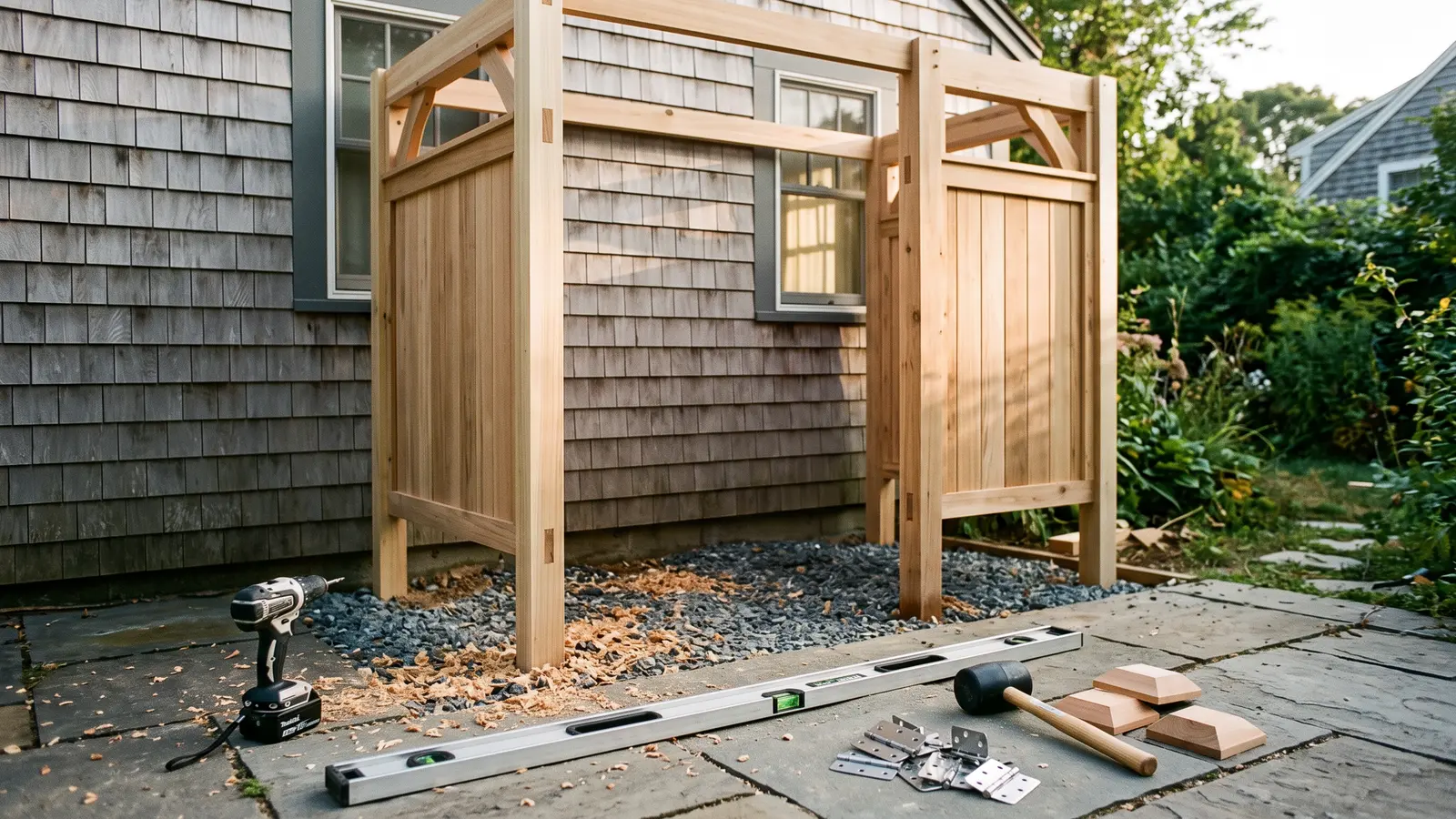
Jenn Nawada and Mark McCullough lay out a Cape Cod outdoor shower between two windows, Mark runs a pitched drain line away from the foundation, Nathan Gilbert assembles a white-cedar kit, and Richard Trethewey taps hot water through a frost-proof hydrant. The cedar and bluestone are what you see. The grade, gravel, and pitch decide whether the house stays dry.