
This Old House S47 E16: Inside a Millwork Factory, Rain Screens Explained, and Composite Decking Goes Down
Charlie tours a Springfield trim factory, Tom explains why there should be air behind your siding, and the new deck gets composite tongue-and-groove boards. Plus: a kitchen mock-up that's smarter than it looks.
The Needham Project Hits Its Stride
Sixteen episodes into Season 47 and the Needham Victorian is deep in the satisfying middle stretch — past the chaos of demolition and structural work, into the phase where the house starts looking like the house it's going to be. Episode 16 covers a remarkable range of work: custom millwork, exterior rain screens, composite decking, kitchen electrical, and landscaping. The crew is clicking.
The Millwork Factory Tour
Charlie travels to Springfield, Massachusetts, to visit TrimBoard, where manufacturer Doug Bell walks him through the process of creating custom window trim from raw lumber to painted, ready-to-install profiles. This is the kind of factory tour that This Old House does so well — showing you the craft behind the components that most people never think about.
Custom millwork is what gives Victorian homes their distinctive character. The profiles — ogees, beads, coves, fillets — are cut on specialized molding machines that shape raw stock at high speed. The factory paints the trim before shipping, which means better coverage (all sides sealed), faster installation on site, and a more consistent finish than field-painting.
For anyone working on a Victorian renovation: matching existing trim profiles is one of the biggest challenges. You can't buy 1896 profiles at the home center. Options include custom millwork (as shown here), architectural salvage, or having a millwork shop create custom knives that match your existing profiles. It's one of the hidden costs of historic renovation that catches homeowners off guard.
Rain Screens: Tom Explains Why Air Matters
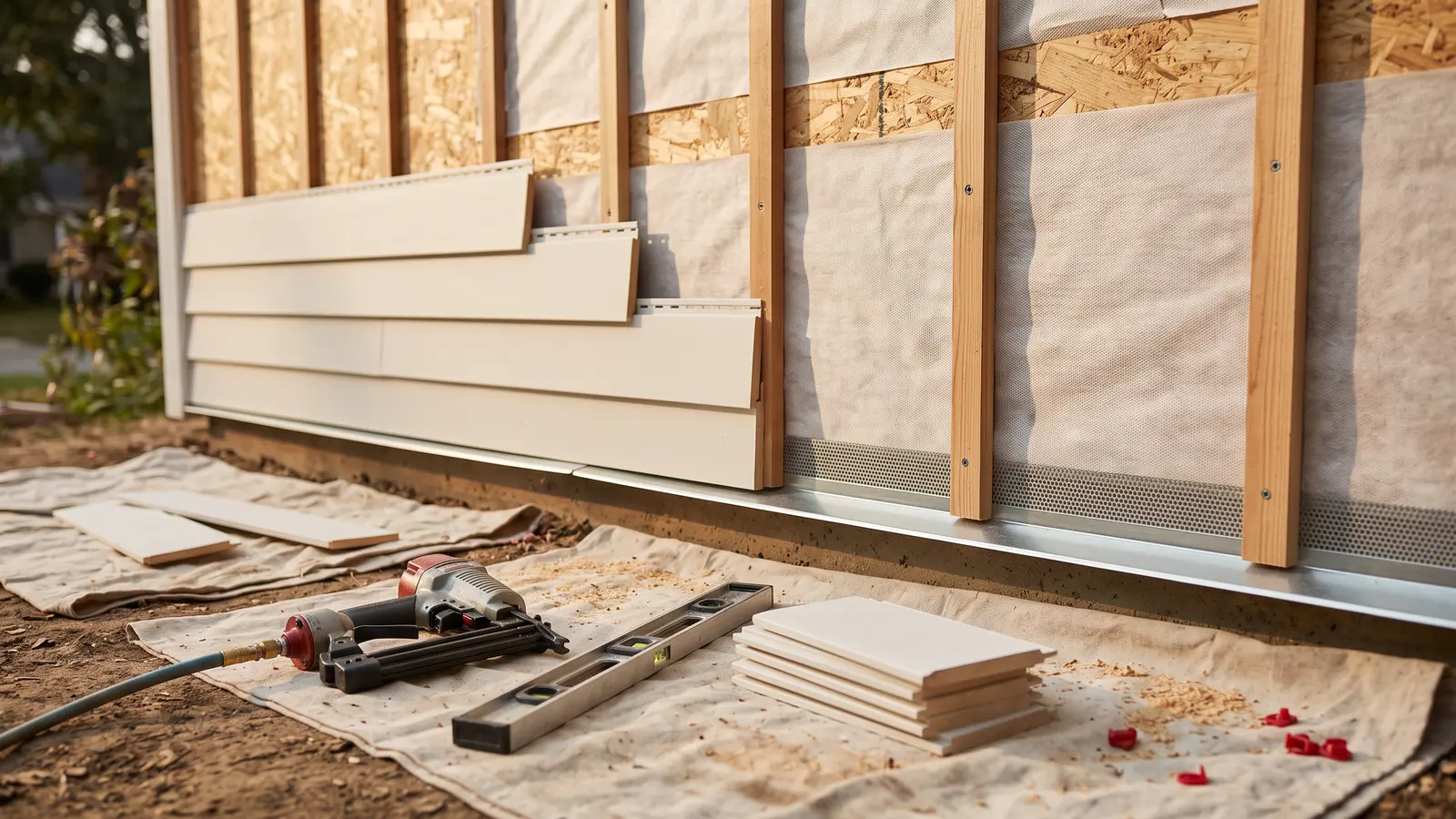
Tom explains the rain-screen system being installed behind the clapboard siding, and this is building science in its purest practical form. A rain screen creates a small air gap (typically 3/8" to 3/4") between the siding and the water-resistive barrier using spacer strips. The benefits:
- Drainage: Water that gets behind the siding (it will) drains down and out instead of sitting against the sheathing
- Drying: Air circulating in the gap dries residual moisture from both the back of the siding and the face of the WRB
- Pressure equalization: The air gap reduces wind-driven rain penetration by equalizing air pressure across the siding
- Longevity: Siding lasts dramatically longer when its back side can dry. Paint lasts longer. Rot is virtually eliminated.
Tom also points out the bug screen at the base — a perforated strip that allows airflow while keeping insects from nesting in the cavity. It's a small detail that makes the whole system work. Without it, the rain screen becomes a bug hotel.
We touched on drainage planes back in Episode 3's siding replacement, but Tom's explanation here is the complete picture. If you're re-siding a house, a rain screen adds about $1-2 per square foot in materials and labor. The return in siding longevity and reduced maintenance is enormous.
Composite Decking: The Back Deck Goes In
Charlie and Kevin tackle the new back deck using composite tongue-and-groove decking — a system where each board locks into the next for a clean, fastener-free surface. Composite decking (made from wood fibers and recycled plastics) has come a long way from the early generations that faded, stained, and felt nothing like real wood.
The composite vs. wood debate continues:
- Composite pros: No staining or sealing (ever), won't rot or splinter, consistent appearance, 25-50 year warranties, made from recycled materials
- Composite cons: Higher upfront cost ($8-12/sq ft vs. $3-6 for pressure-treated), retains heat (can be uncomfortably hot barefoot in summer sun), can look "plasticky" in cheaper brands, harder to repair (you replace boards, you don't sand and refinish)
- Wood pros: Natural look and feel, lower upfront cost, repairable, doesn't retain heat
- Wood cons: Requires annual maintenance (staining/sealing), will eventually rot, can splinter, susceptible to insect damage
For Patrick, who specifically asked for reduced exterior maintenance in Episode 12, composite decking is the perfect match. Install it, enjoy it, and never think about staining again.
Kitchen Layout Mock-Up
Inside, electrician Heath Eastman does something clever: he sets up a physical mock-up of the new kitchen layout, giving Liz and Patrick a sense of how the space will actually function before any permanent work begins. This isn't just about showing off — it's how he plans the electrical rough-in. Outlet placement, switch locations, lighting circuits, and appliance circuits all depend on where the cabinets, island, and appliances will ultimately live.
This is a technique more contractors should adopt. Kitchen electrical rough-in is permanent (or at least very expensive to change), and the number of kitchens with outlets in the wrong place, missing circuits for new appliances, or insufficient lighting is staggering. A $50 mock-up with tape and cardboard prevents $5,000 in change orders later.
Landscaping: Evergreens and a Rhododendron Relocation
Jenn and Charlie relocate a large rhododendron from the front yard to the backyard — the plant equivalent of saving those brick walkway bricks from Episode 12. A mature rhododendron is worth saving: they're slow-growing, and a specimen that size represents decades of growth. Then Jenn works with Patrick to plant evergreens that will anchor the redesigned front yard.
DIY Confidence Scale: Episode 16
- Window trim installation: Intermediate. The factory-painted, pre-made pieces make this much more accessible. A miter saw, a nail gun, and Tom's pre-assembly technique from Episode 6 will get you there.
- Rain screen installation: Intermediate. Conceptually simple — attach spacer strips, add bug screen — but requires understanding the overall wall assembly sequence.
- Composite decking: Intermediate. Tongue-and-groove systems are designed for the competent DIYer. The hidden fastener system produces a professional-looking result. Just pre-drill at the ends to prevent splitting.
- Electrical rough-in: Hire a Professional. Kitchen circuits are high-load (dishwasher, disposal, microwave, oven), and the code requirements for countertop receptacle spacing are specific. Heath's mock-up approach is worth requesting from your electrician.
- Rhododendron transplanting: Intermediate. Dig wide (root ball should be 2/3 the drip line diameter), keep roots moist, replant at the same depth, and water religiously for the first season.
Additional Resources
- This Old House — S47 E16 Official Page
- Watch Episode 16 on PBS
- TrimBoard (custom millwork)
- Bilo Plumbing and Heating
- TJ Berky Builders
The Needham project continues — but that's where our aired-episode coverage wraps for now. Sixteen episodes of Season 47 in the books: eleven in Asheville, five in Needham, covering everything from flood rescue to foundation pours, cut nails to composite decking, Piper the dog to professional spray foam. It's been a remarkable season, and we're only partway through the Needham project. Stay tuned for more as new episodes air.
The weekly recap
Get each new recap the day it's posted.
Get each new This Old House and Ask This Old House recap by email, the day it's posted. No spam, unsubscribe anytime.
From the captions
Spotted on the job
Tools, materials, and techniques the episode actually showed or discussed. Names stay generic unless the episode said a brand. A name links to an Amazon search only when it is something a person could buy.
As an Amazon Associate, This Old Recap earns from qualifying purchases.
Tool
Pro-only
CNC router
The millwork factory used a CNC router to cut rice-hull composite window surrounds to size.
Tool
DIY-friendly
table saw
Amazon search for table saw (opens in a new tab)
The factory used a table saw to cut a bevel and kerf for the bulb seal.
Technique
DIY-friendly
pocket screws
Amazon search for pocket screws (opens in a new tab)
Pocket screws were used to assemble window surround miters and to fasten the deck border from below.
Material
DIY-friendly
bulb seal
Amazon search for bulb seal (opens in a new tab)
A silicone bulb seal was pressure-fit into a kerf to compress against the window frame.
Material
DIY-friendly
nailing fin
A nailing fin was installed into a spline on the back of the casing for attaching the window surrounds.
Material
DIY-friendly
house wrap
Amazon search for house wrap (opens in a new tab)
House wrap was installed on the exterior to allow air movement and reduce moisture in the wall cavity.
Product
DIY-friendly
hidden fastener system
Amazon search for hidden fastener system (opens in a new tab)
A hidden fastener clip system was used to secure grooved deck infill boards to the sleepers.
Tool
DIY-friendly
laser level
Amazon search for laser level (opens in a new tab)
A laser level was used to set strapping at finished countertop height around the kitchen.
Keep reading
Related recaps
Also from the Suburban Victorian
This Old House · S47 E18
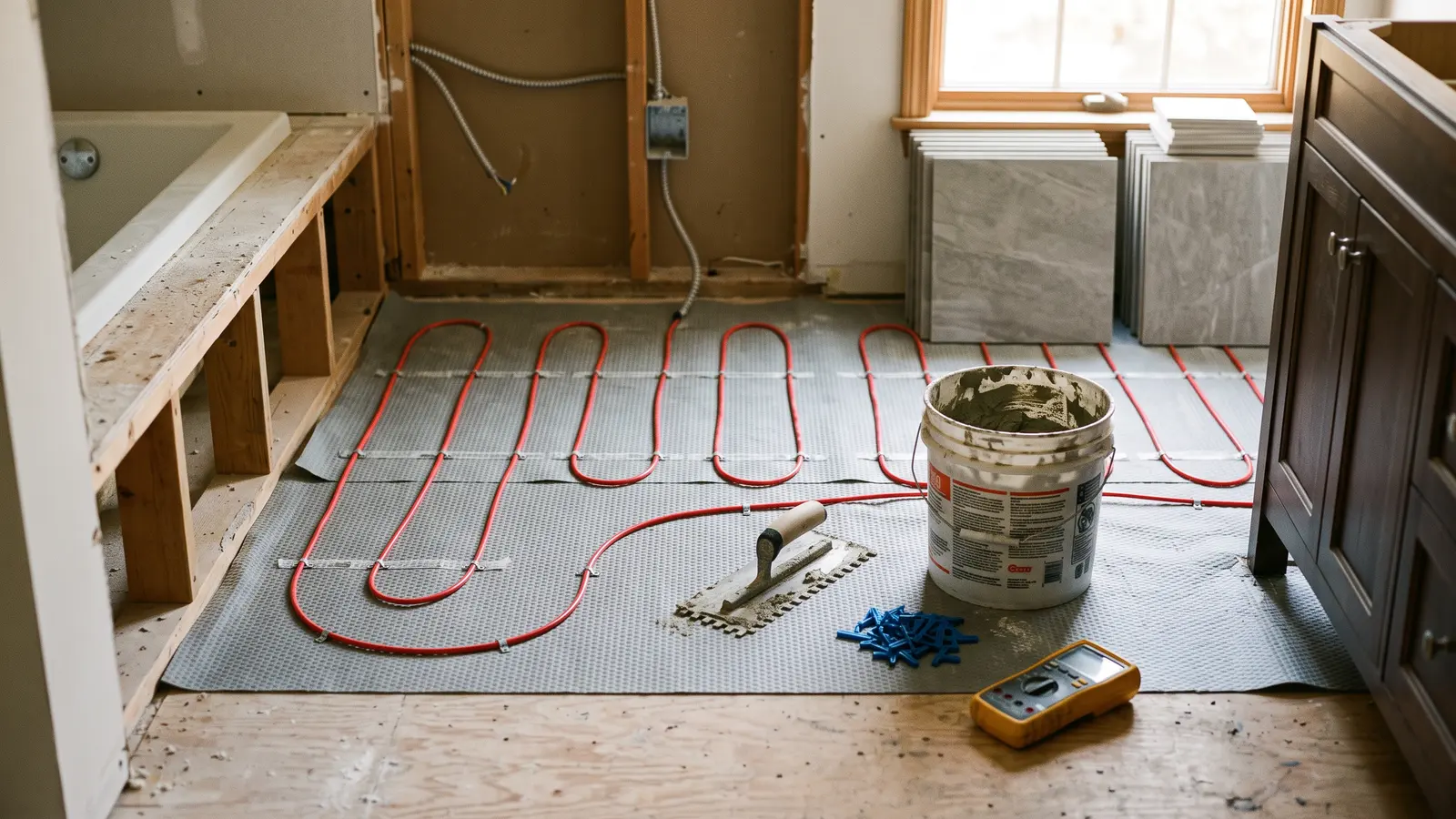
This Old House S47 E18: Heated Tile Floors, Chatham Custom Cabinets, and Bookcases That Hide Ductwork
Also from the Suburban Victorian
This Old House · S47 E14
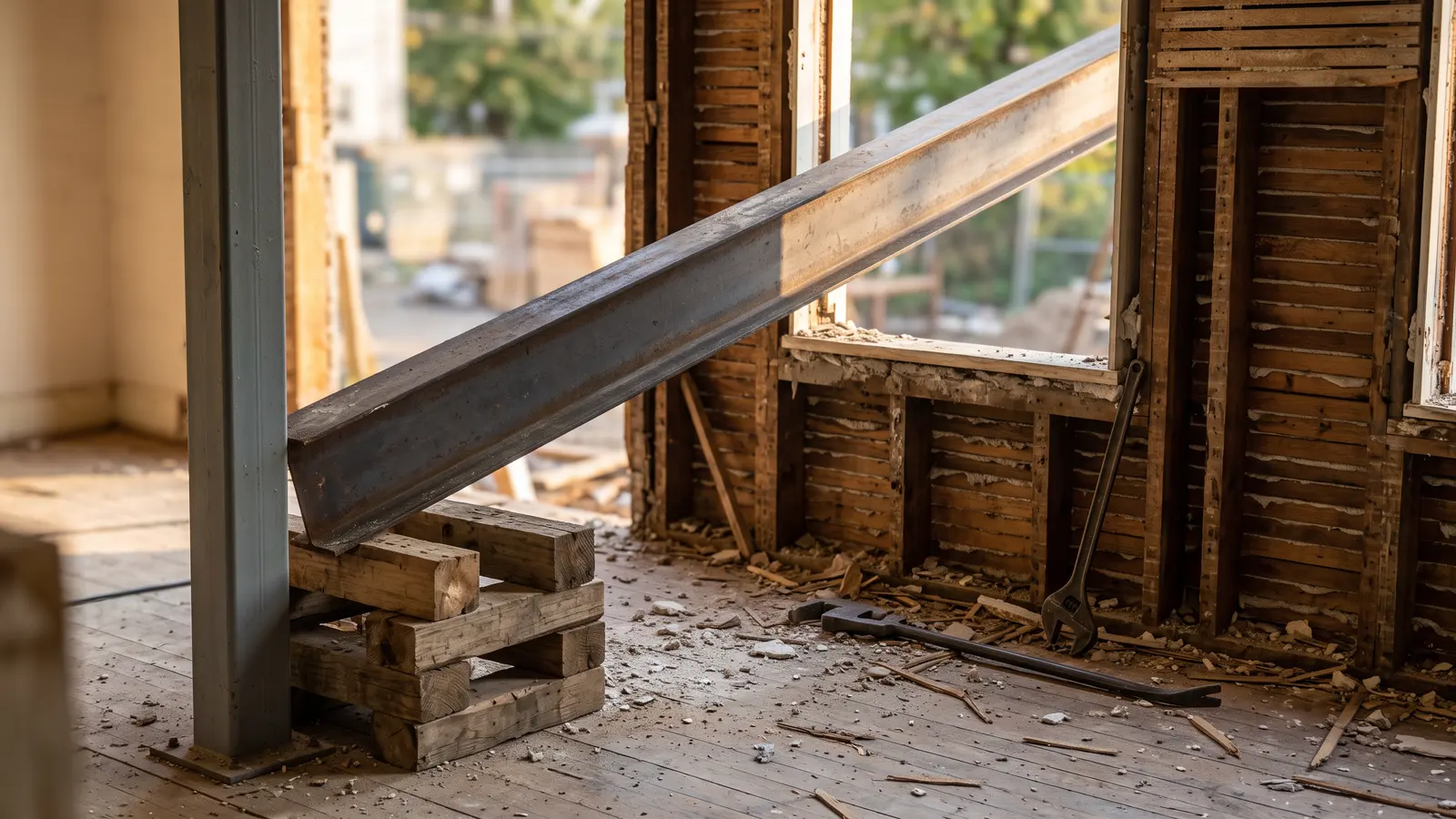
This Old House S47 E14: Asbestos Surprise, Aluminum Siding Recycling, and an 89-Pound Beam Through a Window
Also about Finishing
This Old House · S47 E25
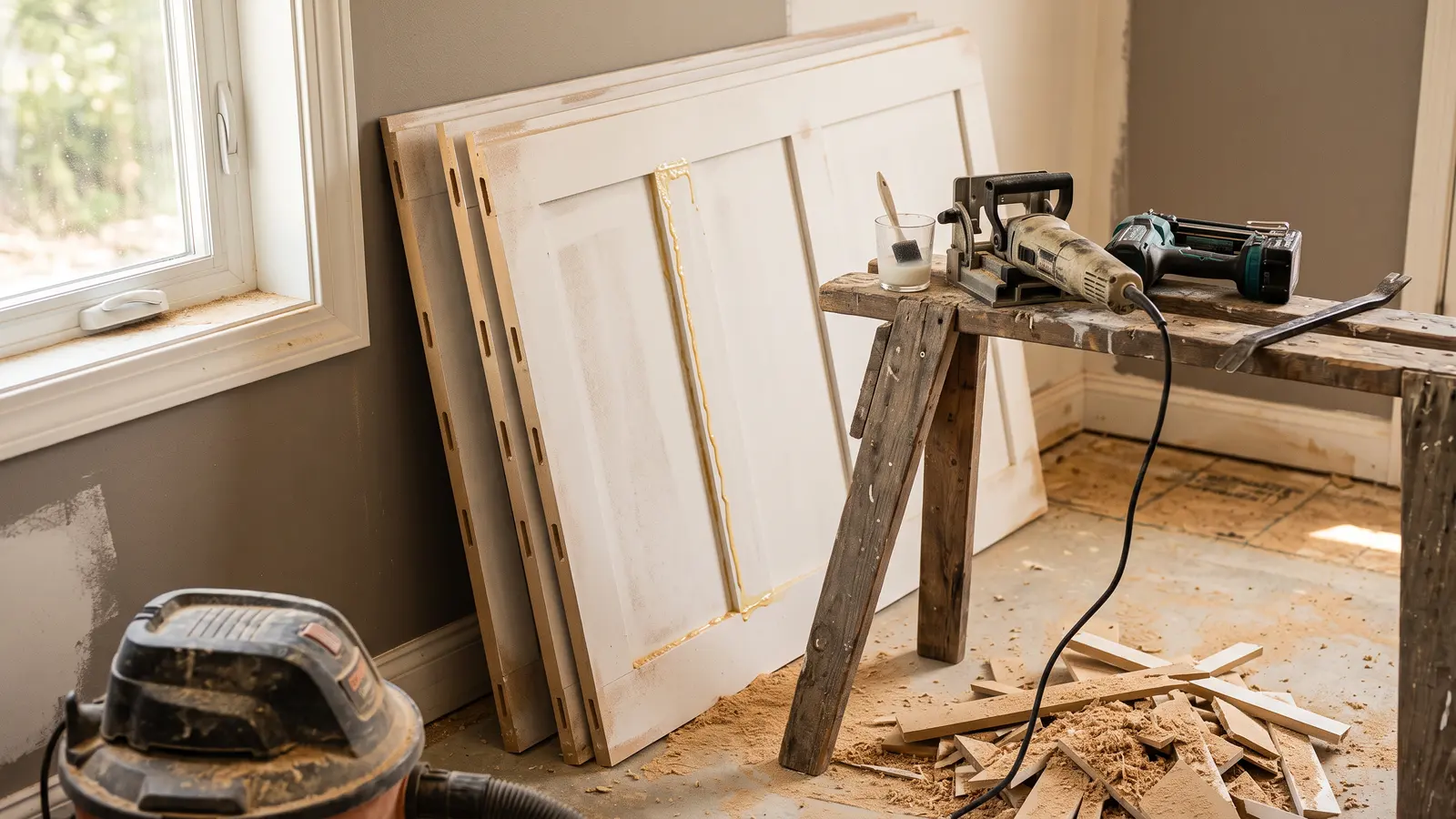
This Old House S47 E25: Walpole ADU Luxury Vinyl Plank, MDF Wainscoting, and 12 Smart Switches in the Snow
Also about Finishing
This Old House · S47 E6