
Carpentry Episodes
49 episodes tagged with "Carpentry"
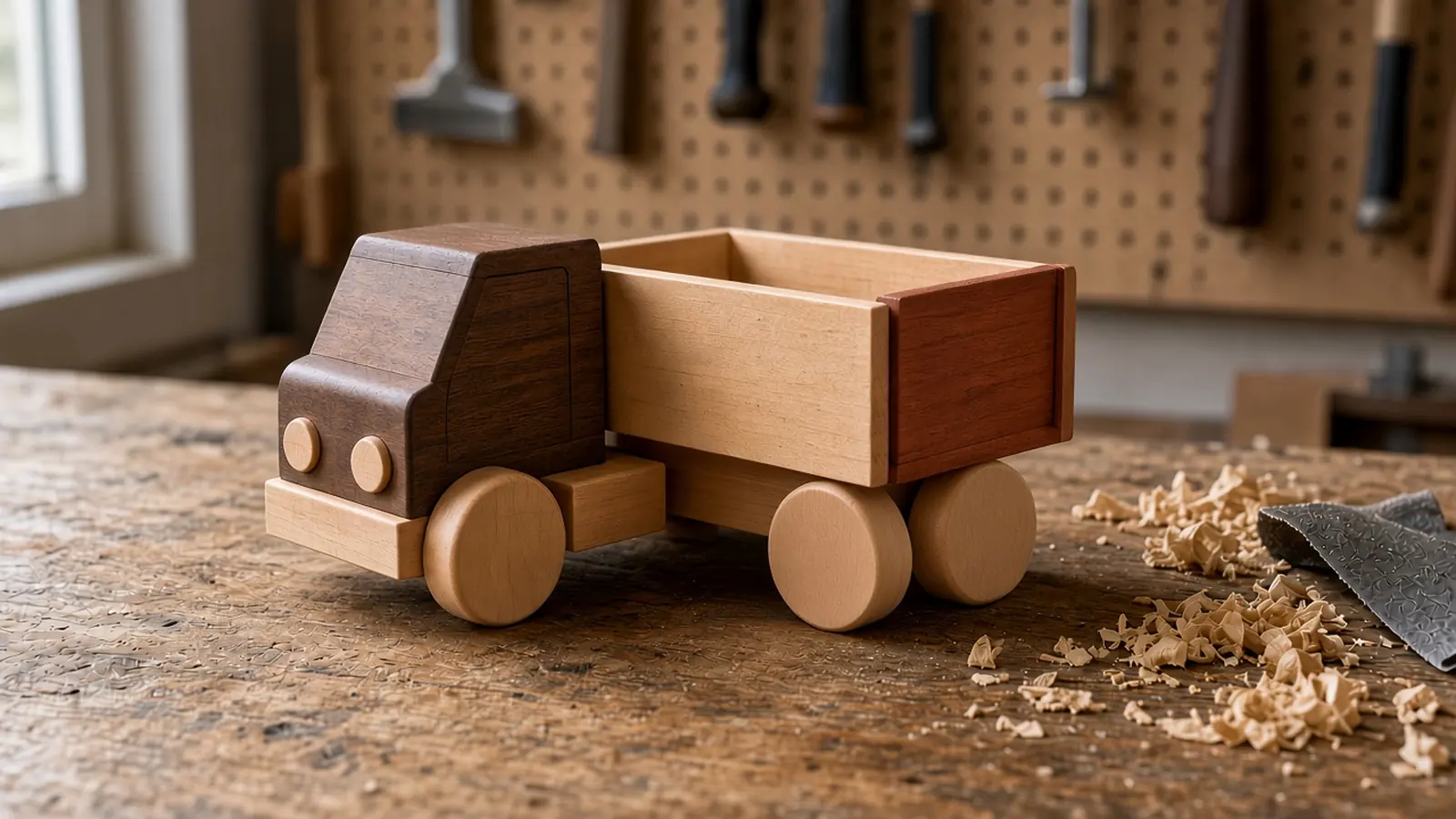
Tom Silva builds a maple and walnut toy dump truck with a Chicago woodworker he helped 10 years ago, and Richard Trethewey adds a pot filler beside a stove.

Tom Silva has been This Old House's general contractor since 1986. On the shirt nobody recognises, the teaching that made him a legend, and why missing him isn't a farewell.
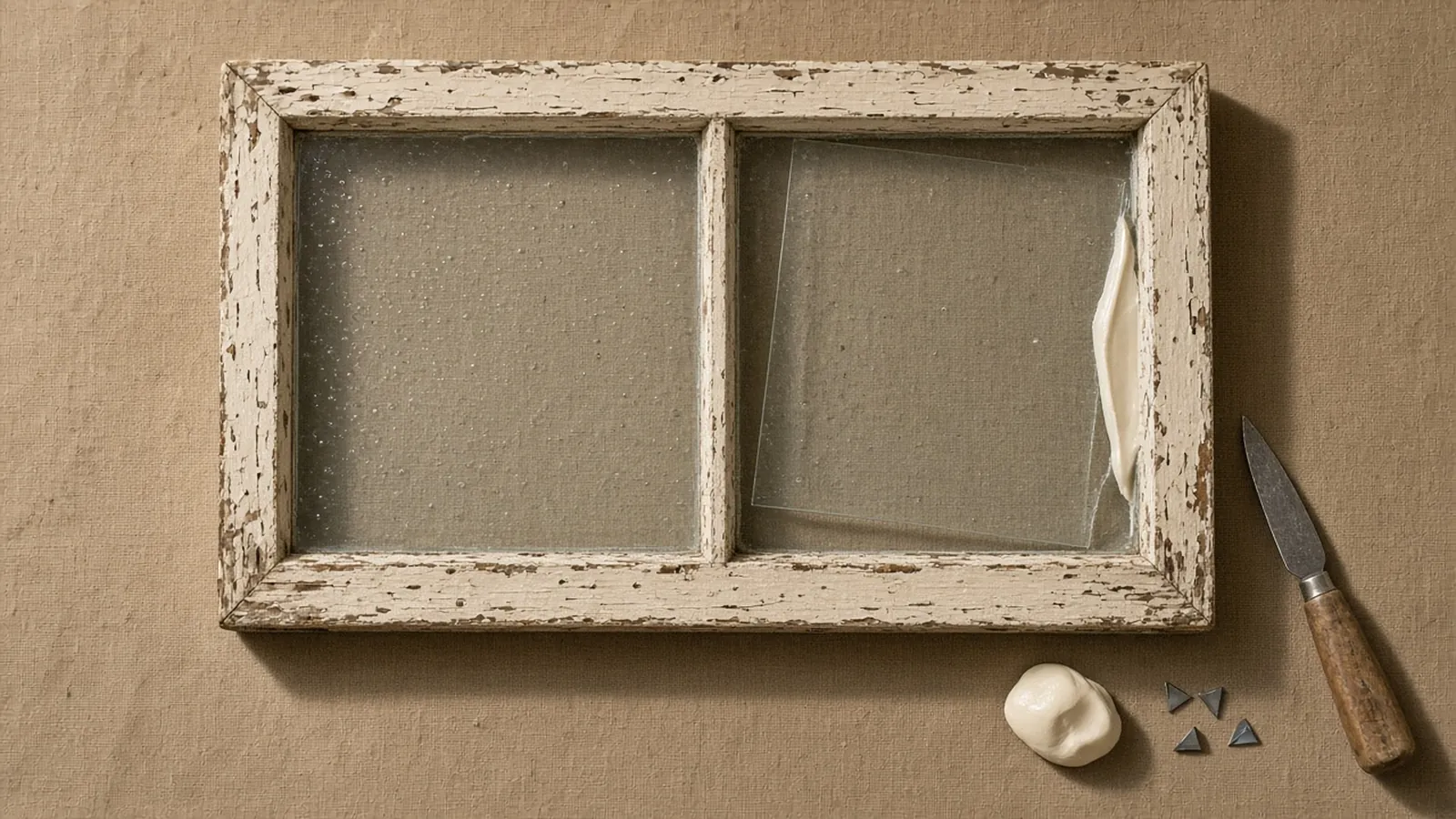
Essex County Colonial: Removed, Reused and Reclaimed. Wallpaper comes off the walls, salvaged wavy glass fixes the 1893 sash, a cedar bracket replaces a post, and 130-year-old timbers become new floors.
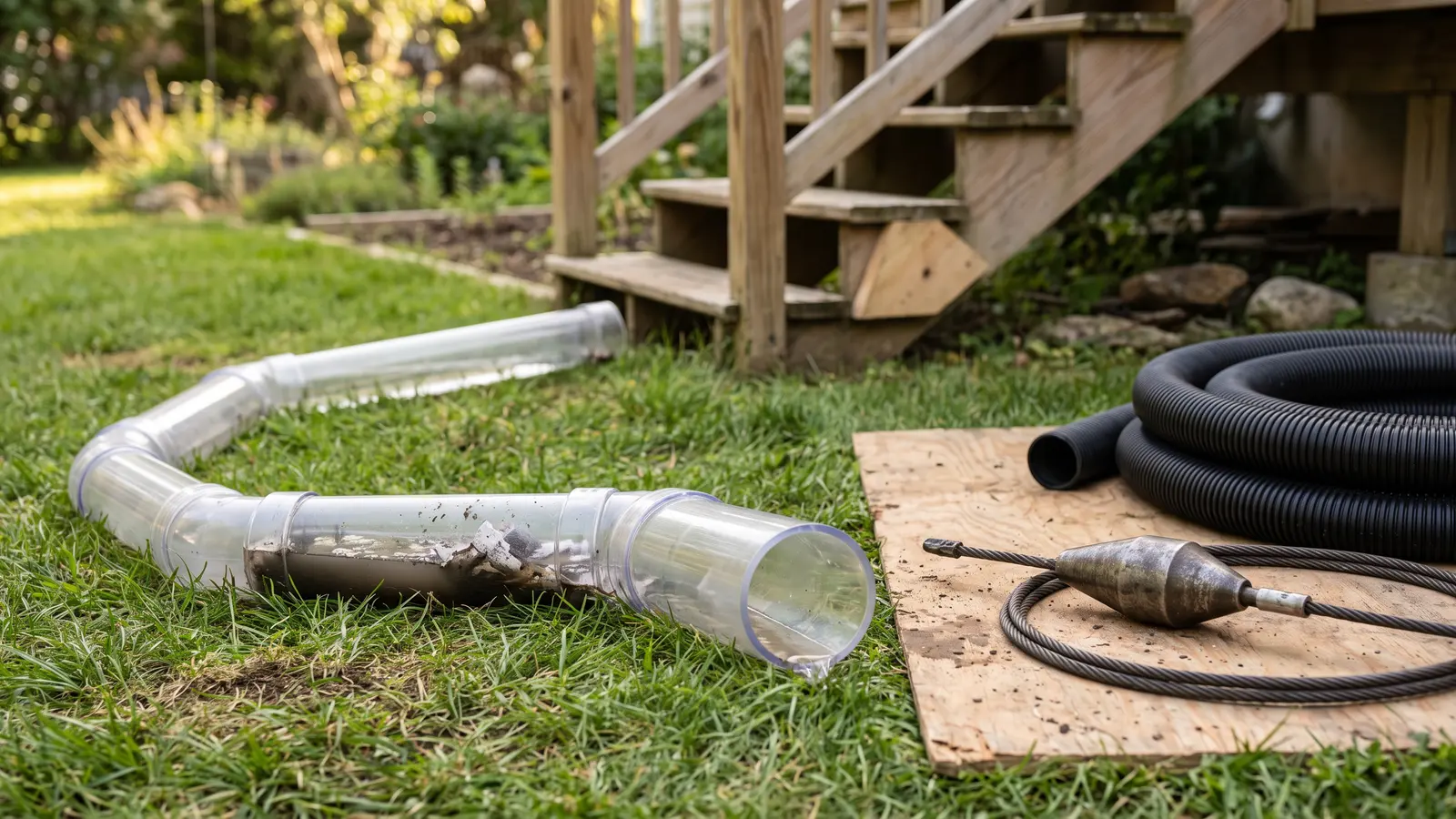
Essex County Colonial: Bigger Isn't Better. A sewer model shows why four-inch pipe beats the old six-inch clay, the stair is blocked tight, and the pocket doors leave the floor.
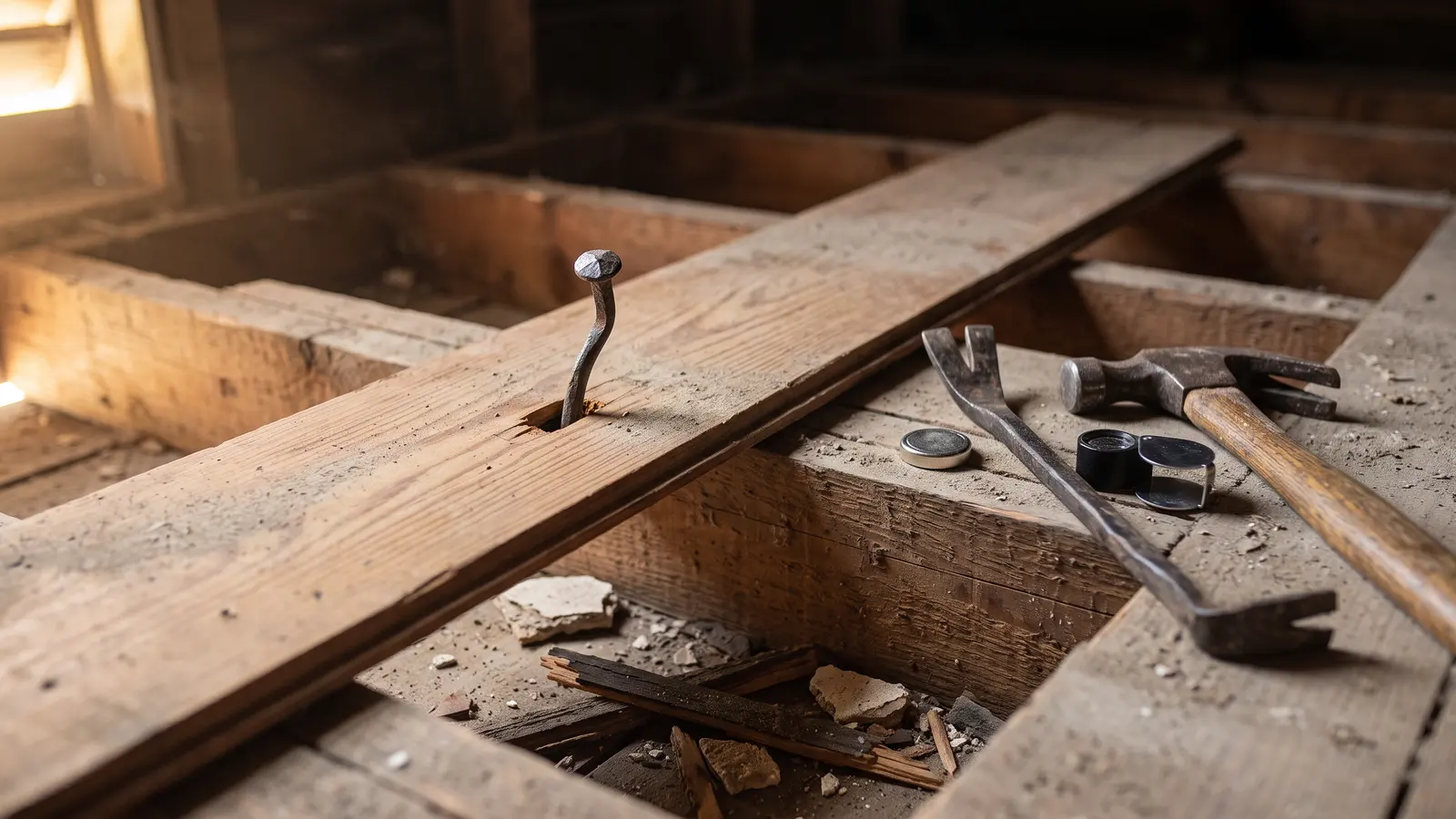
Hand-wrought, machine-cut, and wire nails mark rough eras. How to read the shank, head, and taper, and when a reused nail lies about the year.
The original host, the general contractor since 1986, and the New Jersey builder everybody's talking about, compared over five rounds: on-camera presence, hands, teaching, running the job, and staying power. I'm a Tom guy, but Zack took a round fair and square.
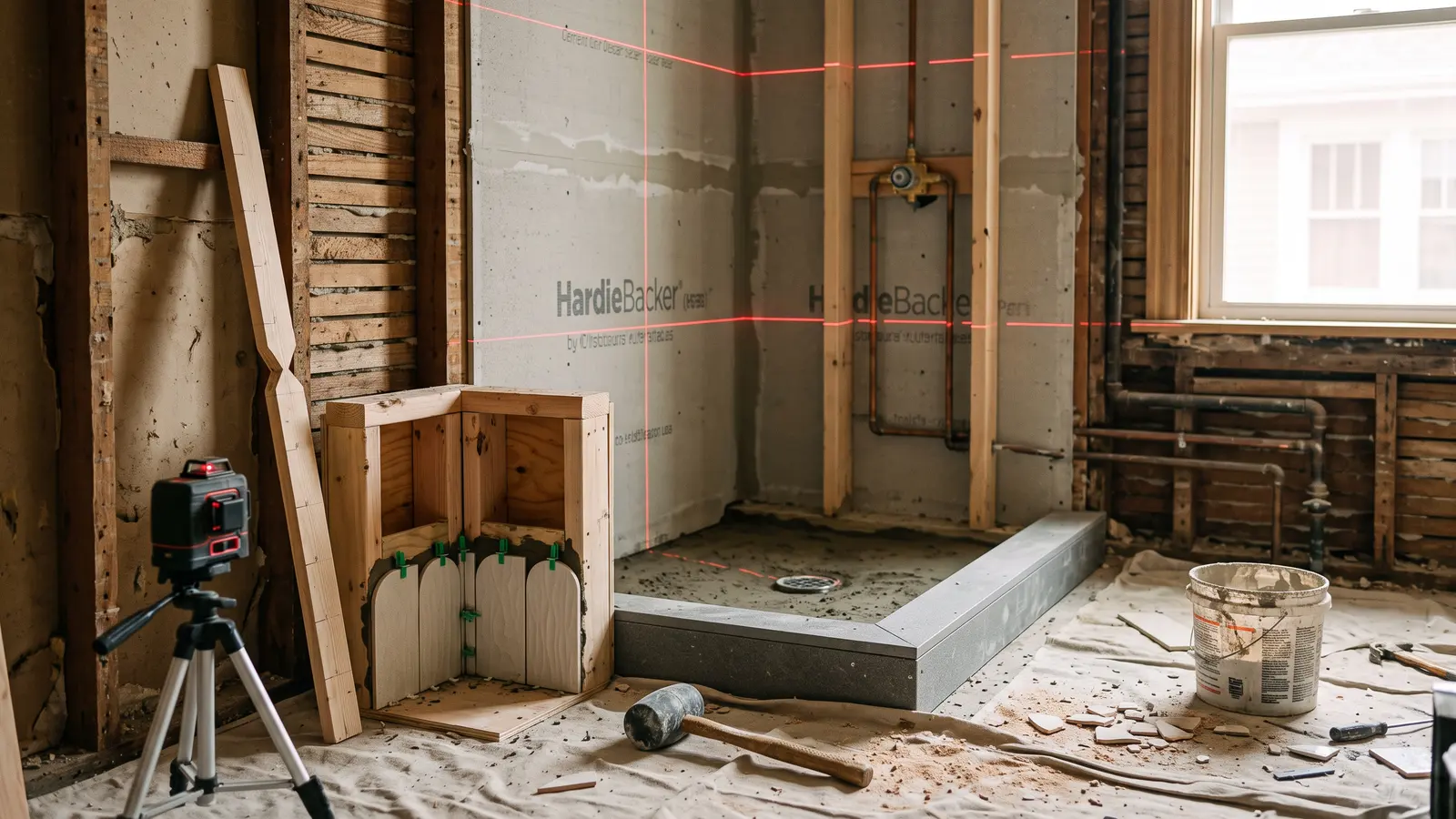
Essex County Colonial: Knock on Wood. A story pole lays out the bathroom tile before any tile goes up, a basement beam is cut and cracked, and the toilet tank moves into the wall.
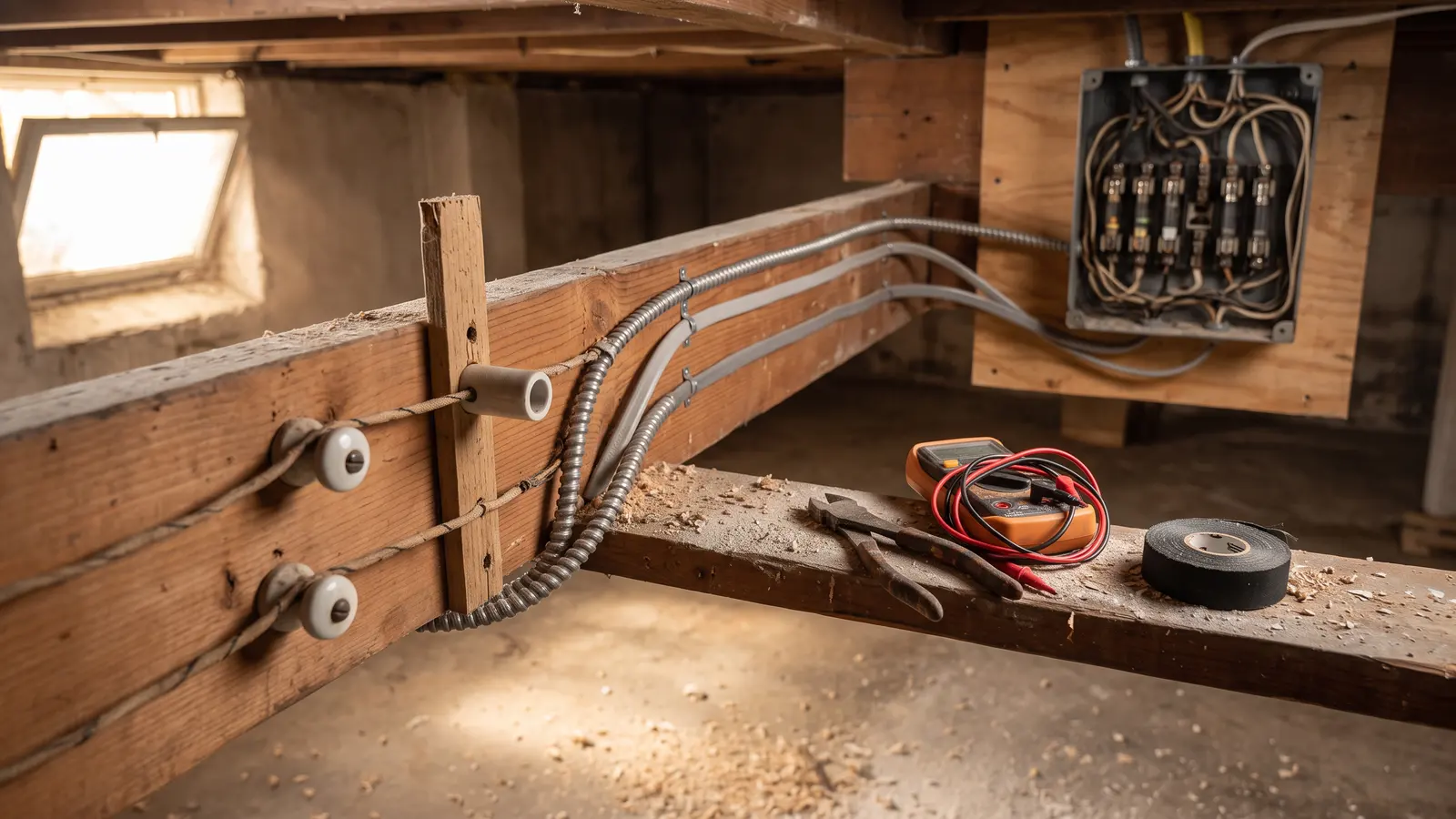
Zack Dettmore builds a job-site command center before demo starts, two cartouche window sashes get chiseled free, Heath Eastman sorts three generations of wiring in one basement, and Kevin follows a lumber order from a Newark yard to the curb.
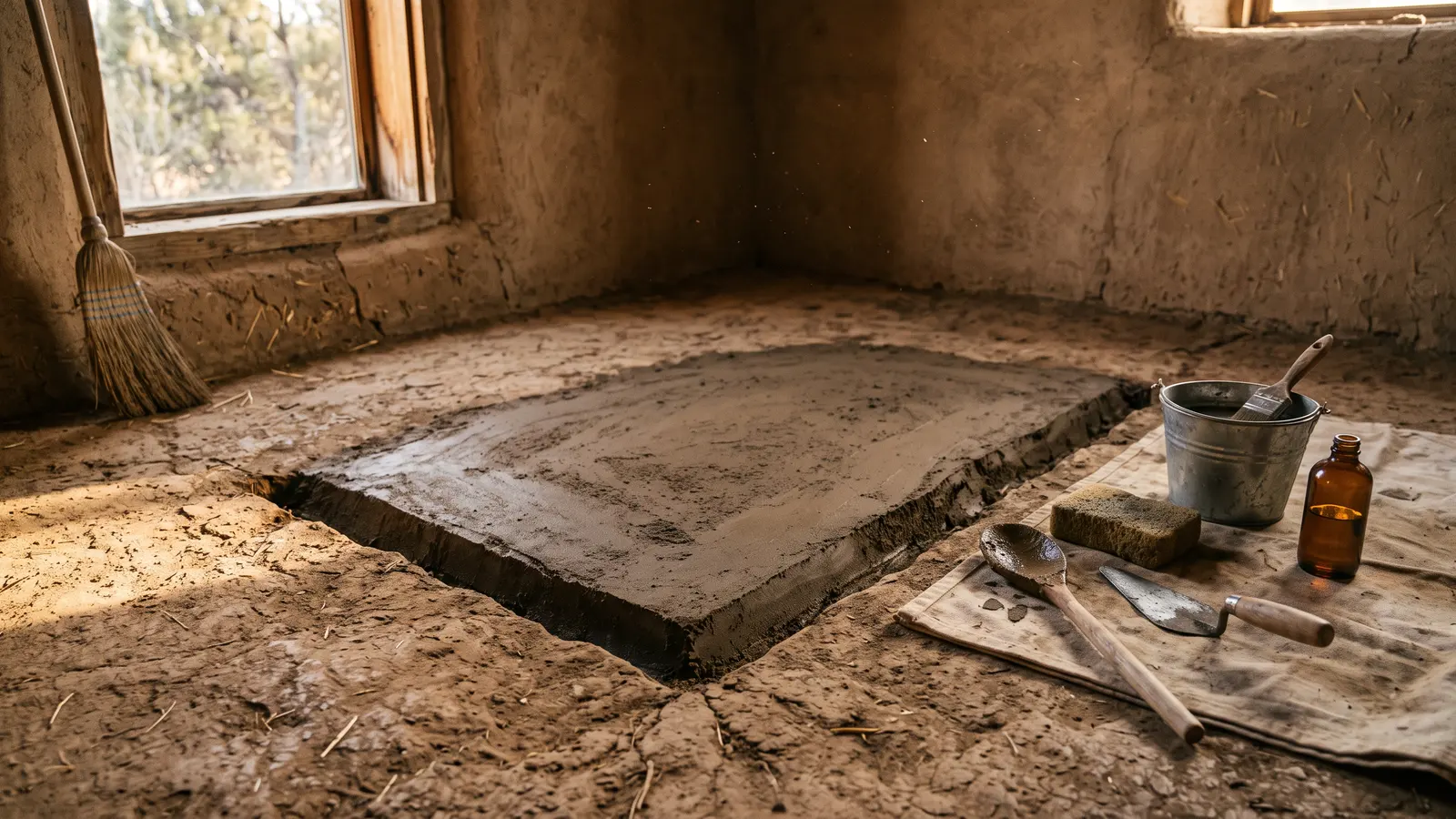
Mark McCullough travels to New Mexico to learn adobe brick making and repair an earthen floor. Tom Silva shows Kevin a faster way to cut miters on imperfect corners. Jenn Nawada revisits a garden she helped transform a decade ago and sees how it inspired even more backyard projects.
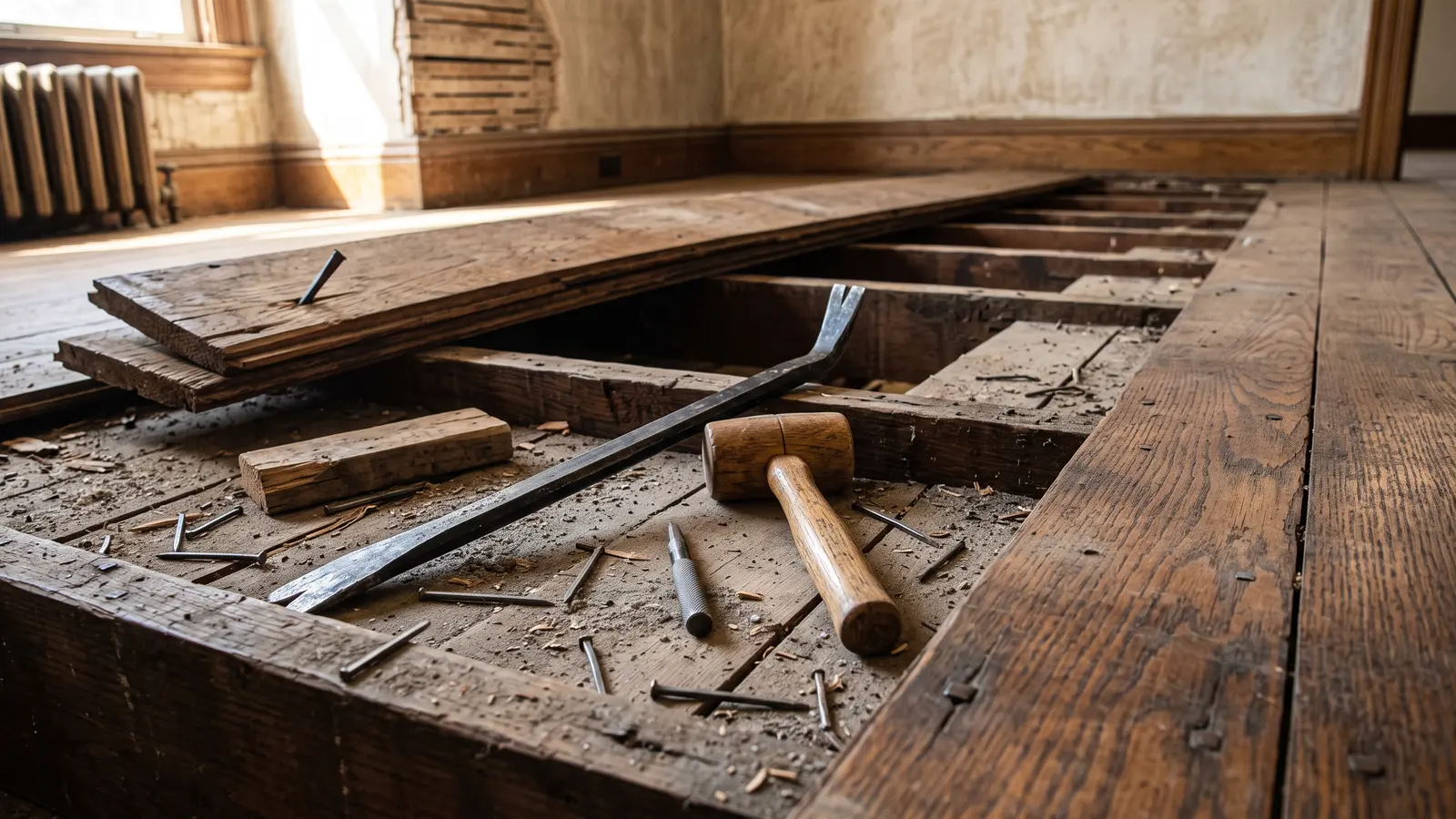
Why wedge-shaped cut nails grip differently from modern wire nails, where you are likely to find them, and what to consider before pulling them from historic framing.
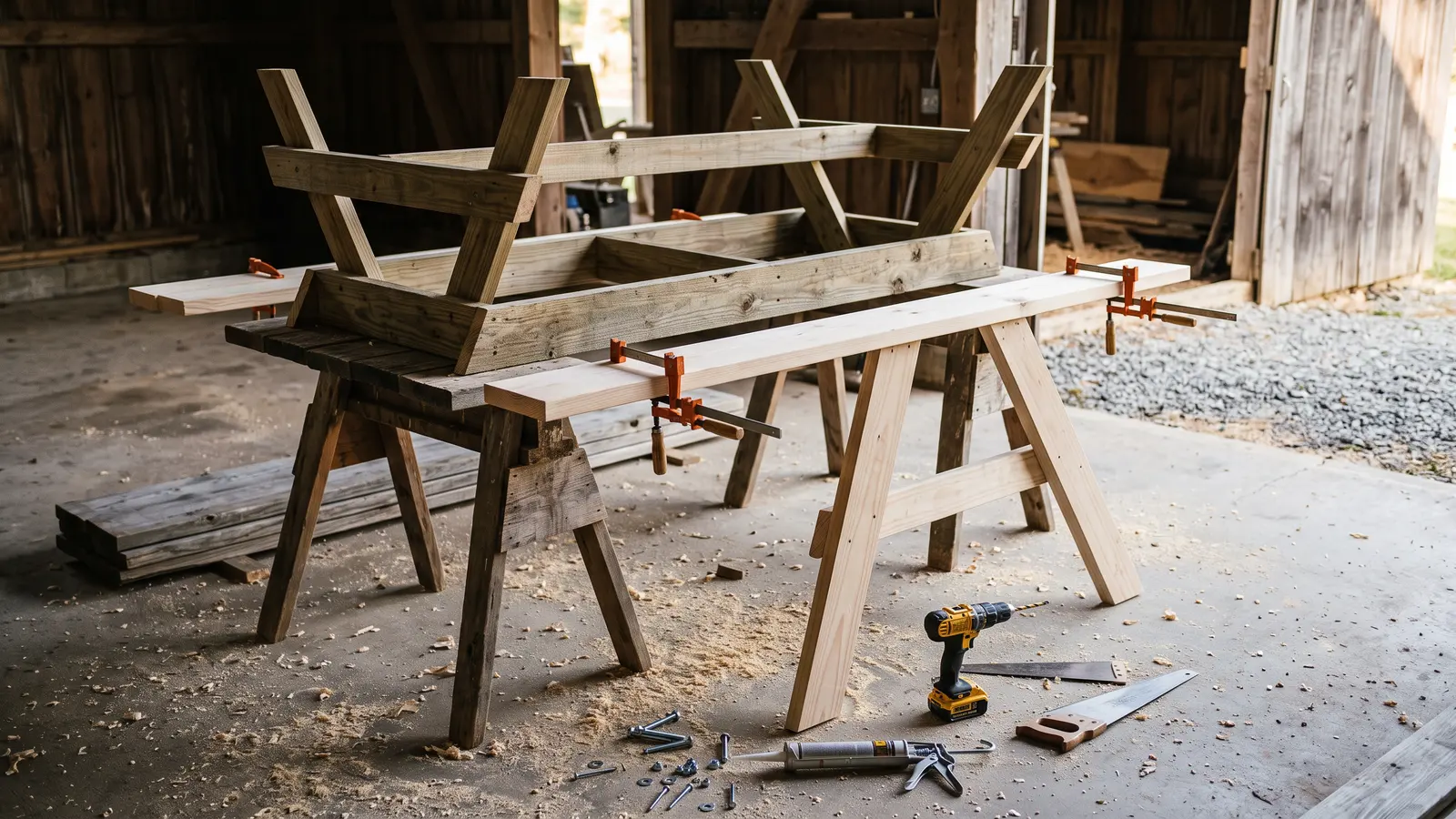
Tom Silva and Kevin O'Connor rebuild the barn picnic table they first built about 17 years ago, swapping in 2x8 seat boards, a 25-degree A-frame, and no finish. Ross Trethewey lays out an outdoor movie setup with a projector, a 1,000-watt-hour battery bank, smart plugs, and IP-rated speakers. Kevin also talks with a licensed insurance agent about dwelling coverage, liability, endorsements, flood policies, and why jewelry may belong on its own policy.
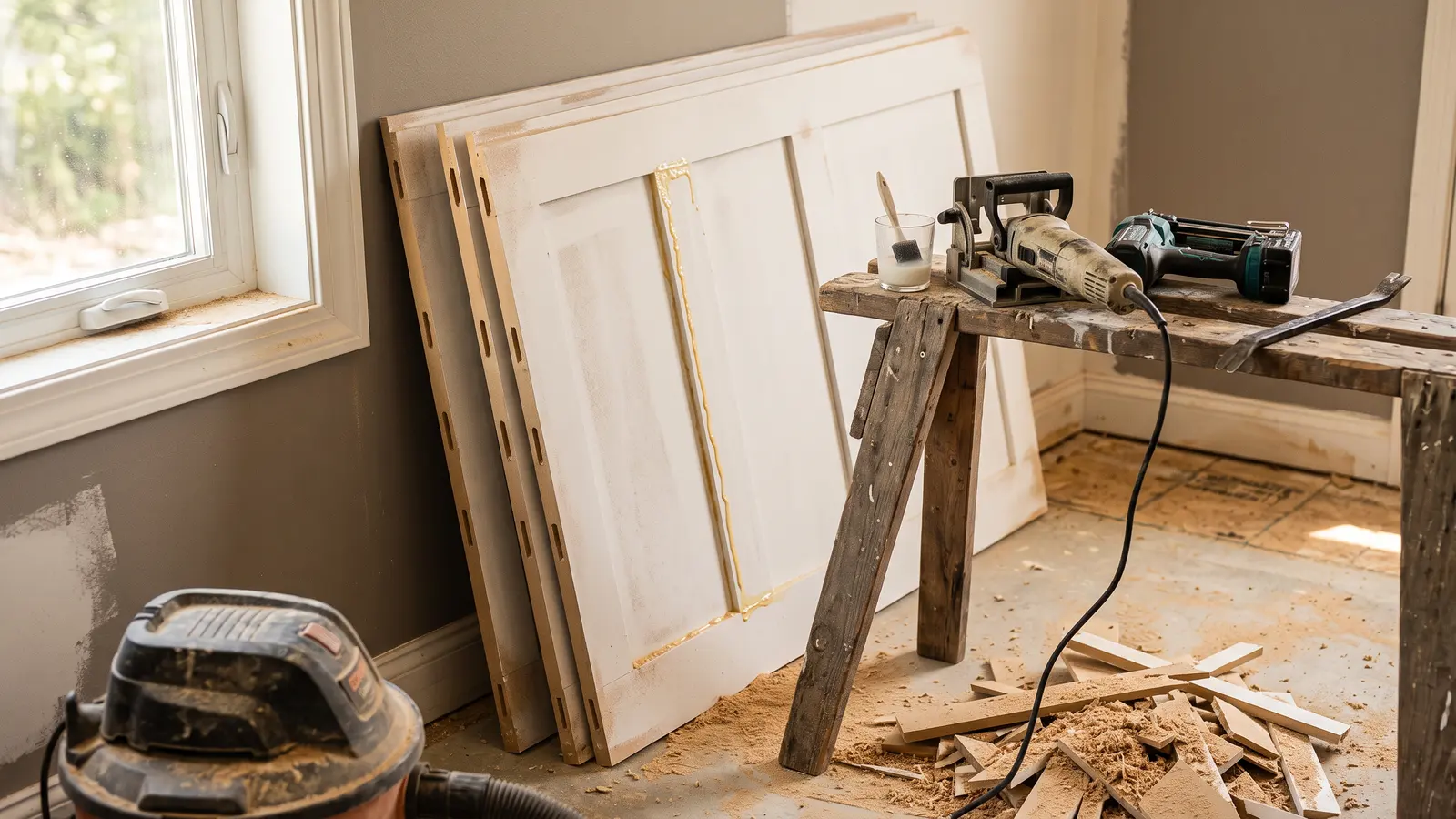
A 21-inch blizzard doesn't stop the Walpole ranch and ADU. Kevin traces luxury vinyl plank from PVC and limestone through digital printing and an aluminum oxide wear layer, Jay's crew clicks it through the ADU, Zack Dettmore and Adrian assemble MDF wainscoting in the mudroom, and Sean wires 12 smart switches, including one that floods every exterior light at once.
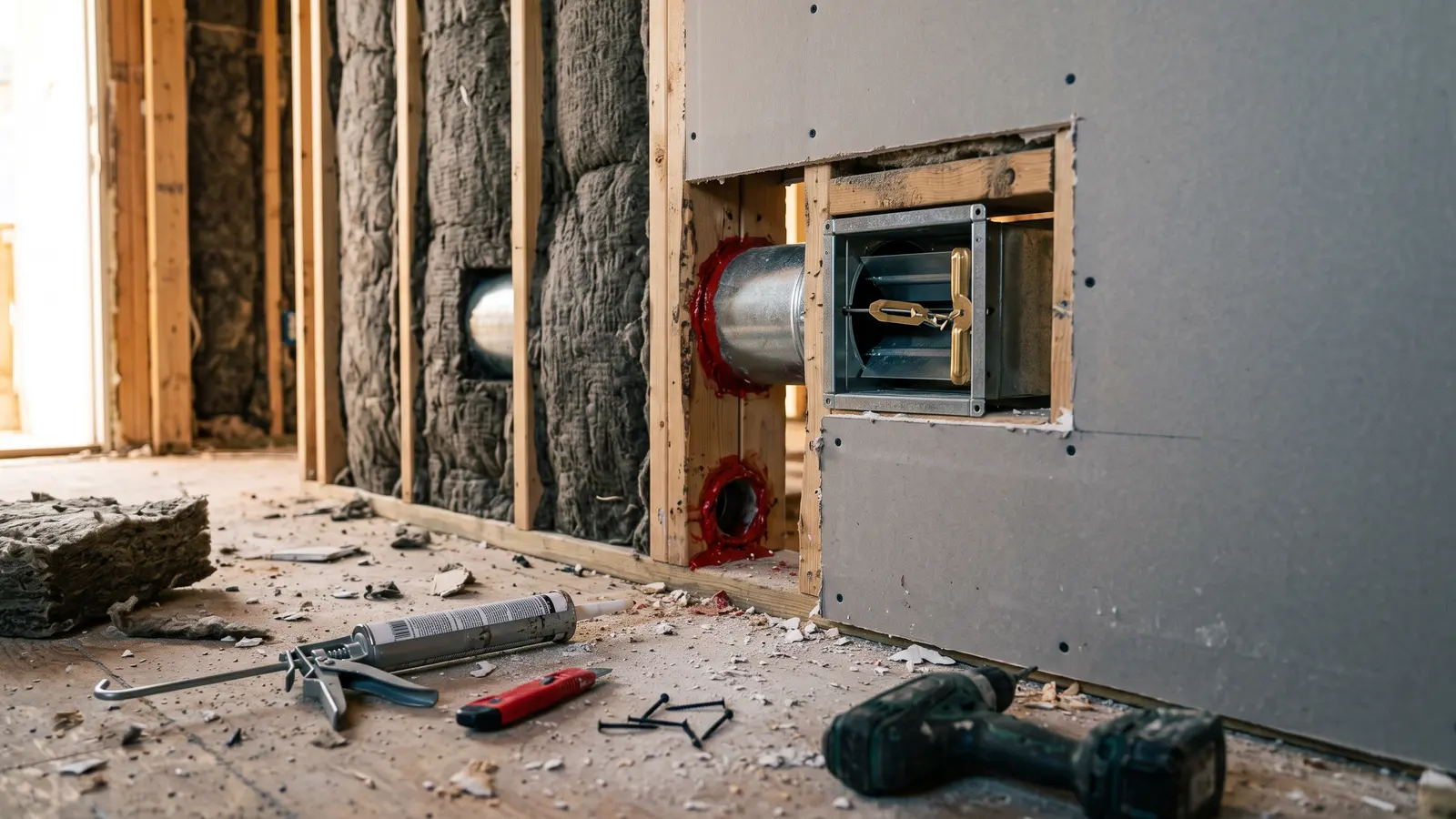
In Walpole, a two-unit ranch gets a code-rated firewall, a shared hydro-air HVAC system, whole-house water filtration, and a cold-joint injection that makes old-meets-new basement walls honest. Then Kevin and Tom tour a finished attic ADU in Dorchester—proof that 700 square feet can feel like a yacht.
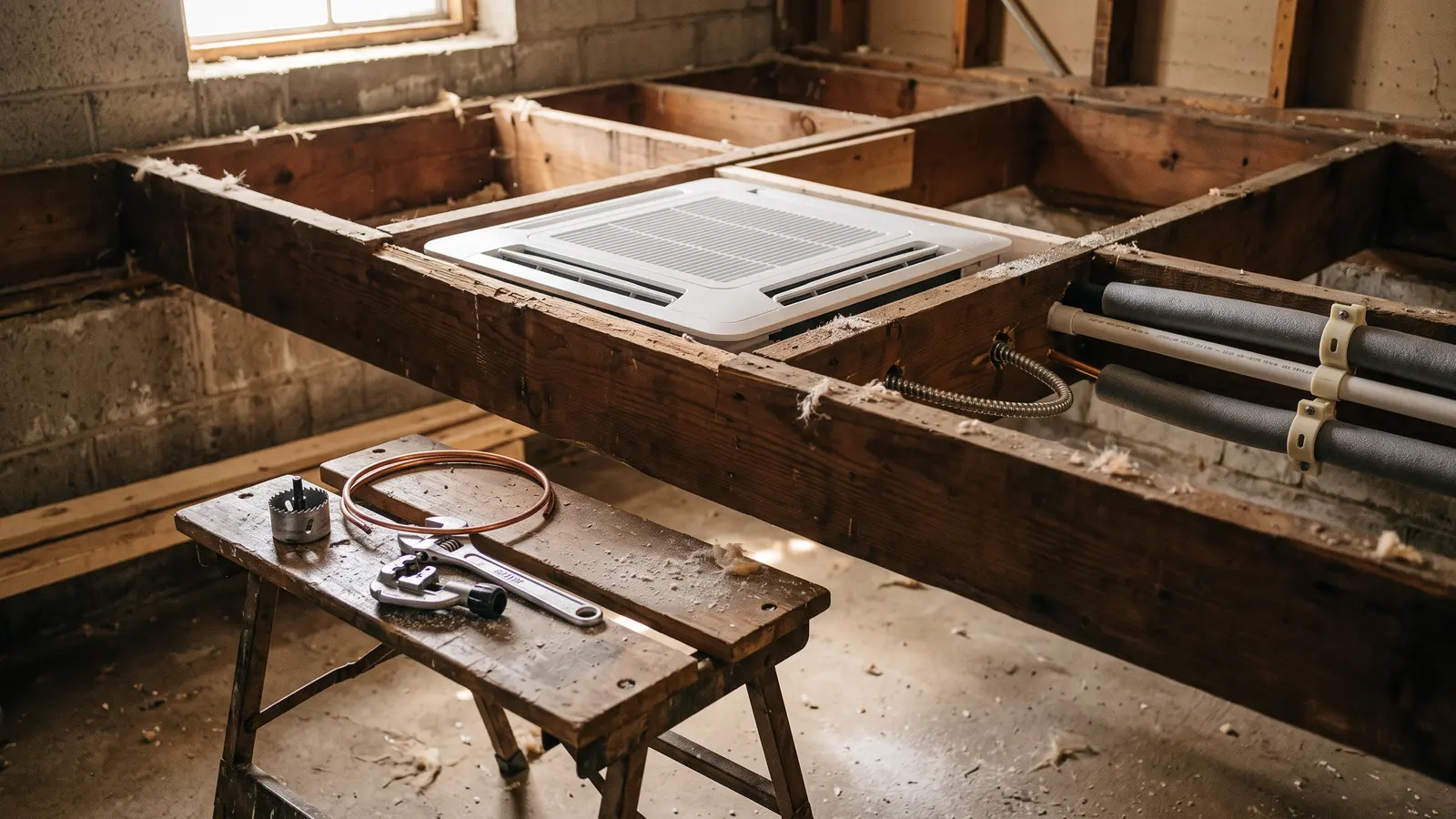
Zack Dettmore and Jared install four-inch Dutch lap vinyl with trim details that hide the usual J-channel tell, Zack tours a 100,000-square-foot modular factory in Middleburg, Pennsylvania, Richard Trethewey fits a ceiling cassette into a low basement, and the crew sets a three-panel slider into a custom copper pan.
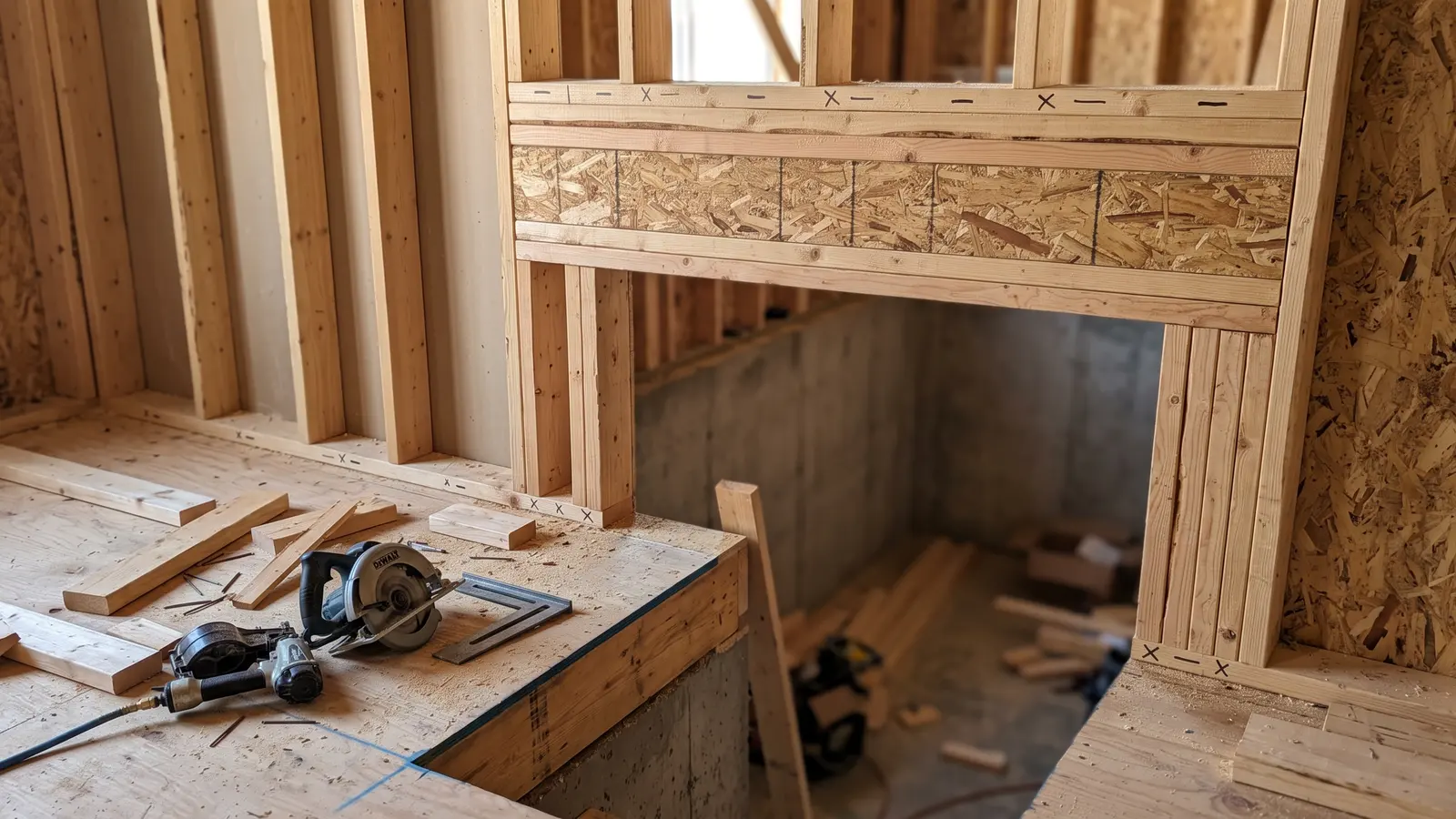
In Walpole, Kevin and GC Kevin open the old ranch wall while Tom Silva ties a 2x4 interior wall into a 2x6 exterior wall and Richard Trethewey watches plumber Bob lay out shared ADU drains with landscape flags. Sean Brennan buries a new 400-amp service for two meters, then Kevin tours Atlanta ADUs built in garages, new construction, and a Decatur loft.
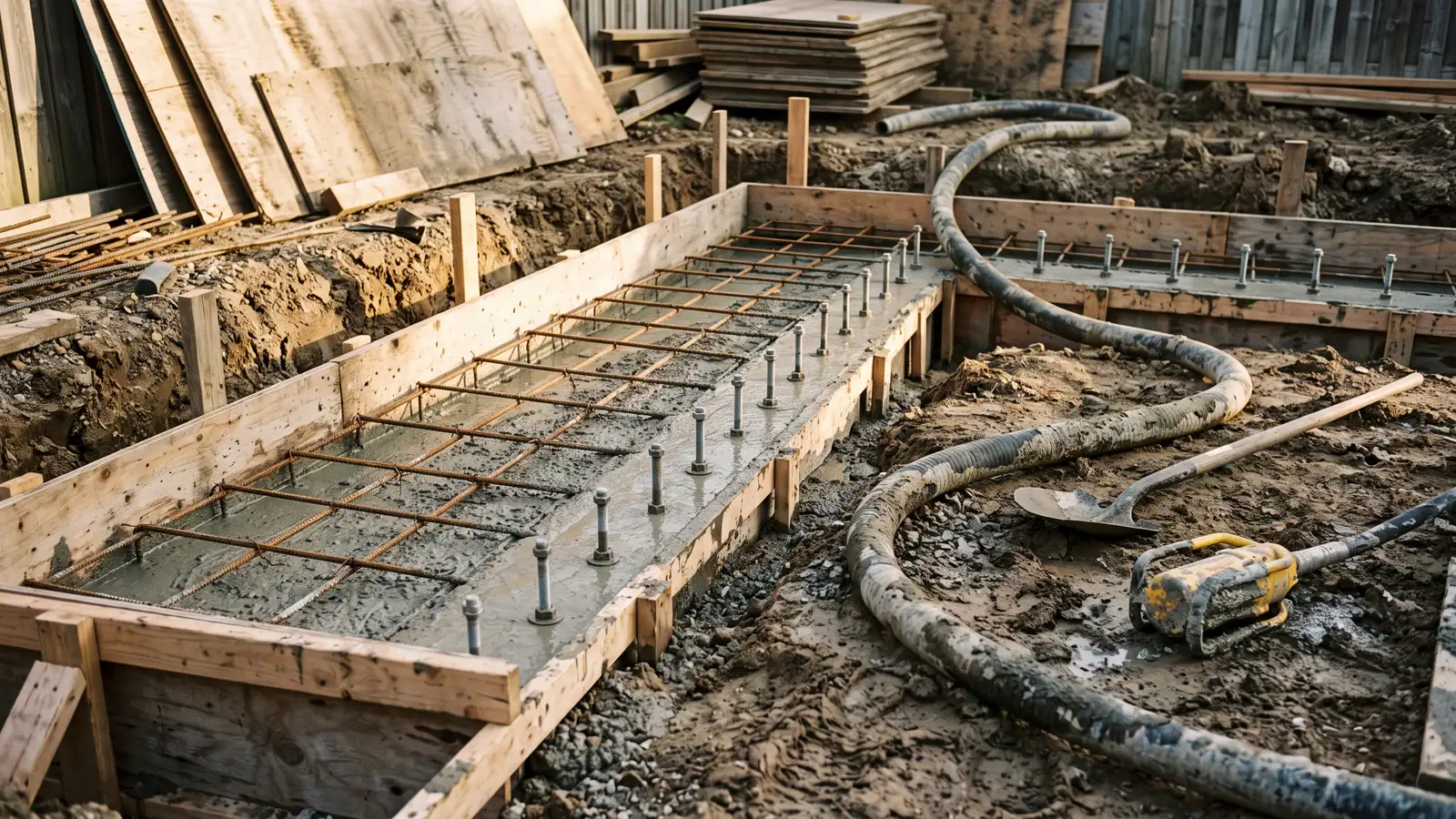
Dan and Jill's 1971 Walpole ranch kicks off Season 47's final project with a 900-square-foot ADU for Jill's parents. Tom Silva catches a garage foundation that came up ten inches short of local frost depth, Richard Trethewey stares down an oil boiler that has to serve two households, and Jenn Nawada plans a yard built for kids, grandparents, and one shared fire pit.
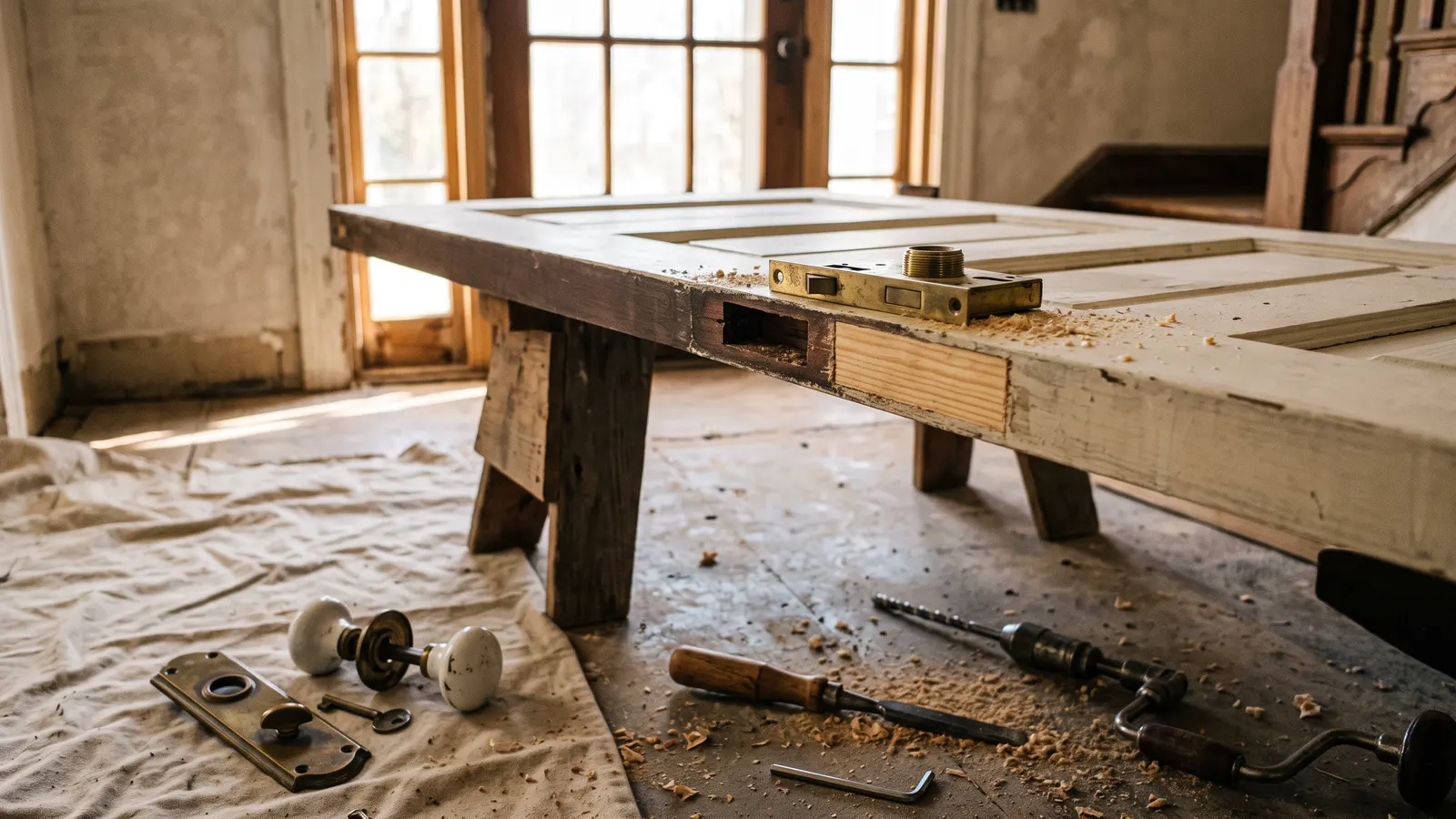
The Needham Victorian wraps on a 24-inch snow day. Charlie installs the mortise lockset Tom patched into the original front door, Kevin tours the open kitchen, mudroom, primary suite, and finished basement, and Richard explains why the old furnace stayed while attic foam and a new heat pump did the heavy lifting.
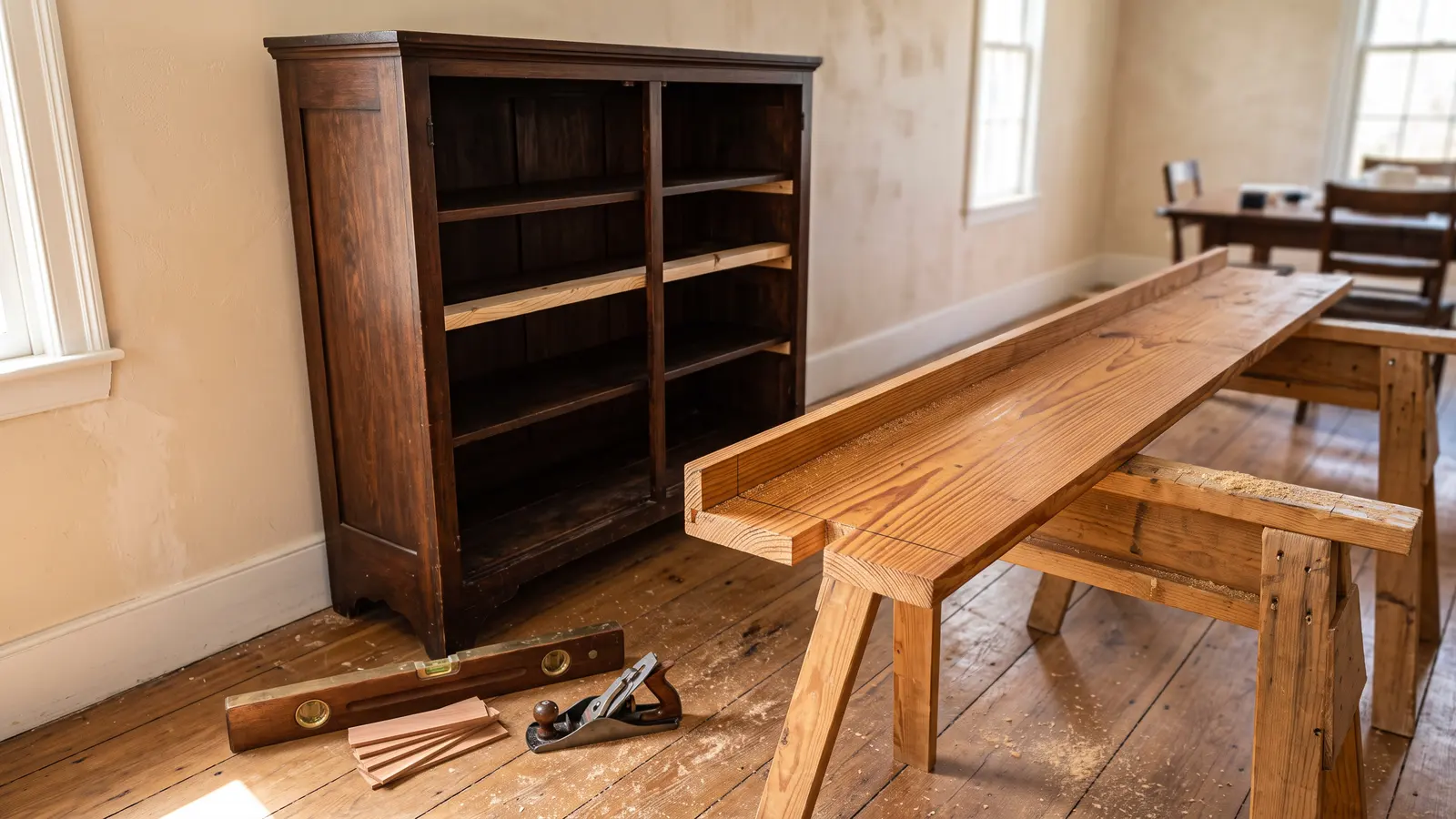
In Needham, Charlie reinstalls the original china cabinet in the new dining room, Jaclyn walks through a powder room that survived three wallpaper rounds, Heath Eastman explains primary bath lighting and blocking, the ducts get cleaned after construction, and Tom Silva cuts a mortise into the original Southern yellow pine front door.
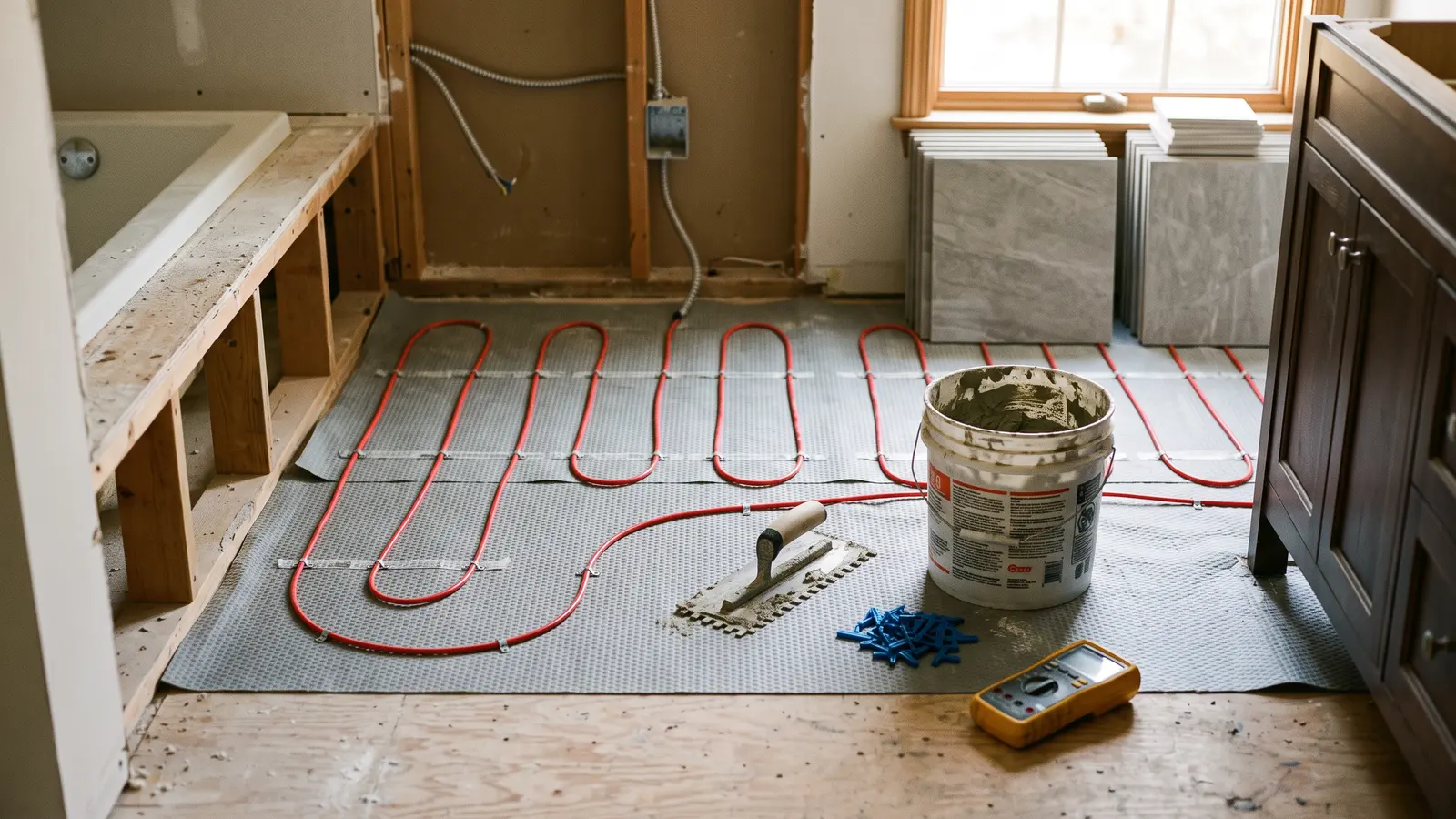
Heath Eastman and tile installer Mike O'Neil lay electric floor heat under tile, Kevin tours a Chatham cabinet shop, Mauro repaints salvaged butler's pantry cabinets, and Tom boxes in ductwork behind built-in bookcases.
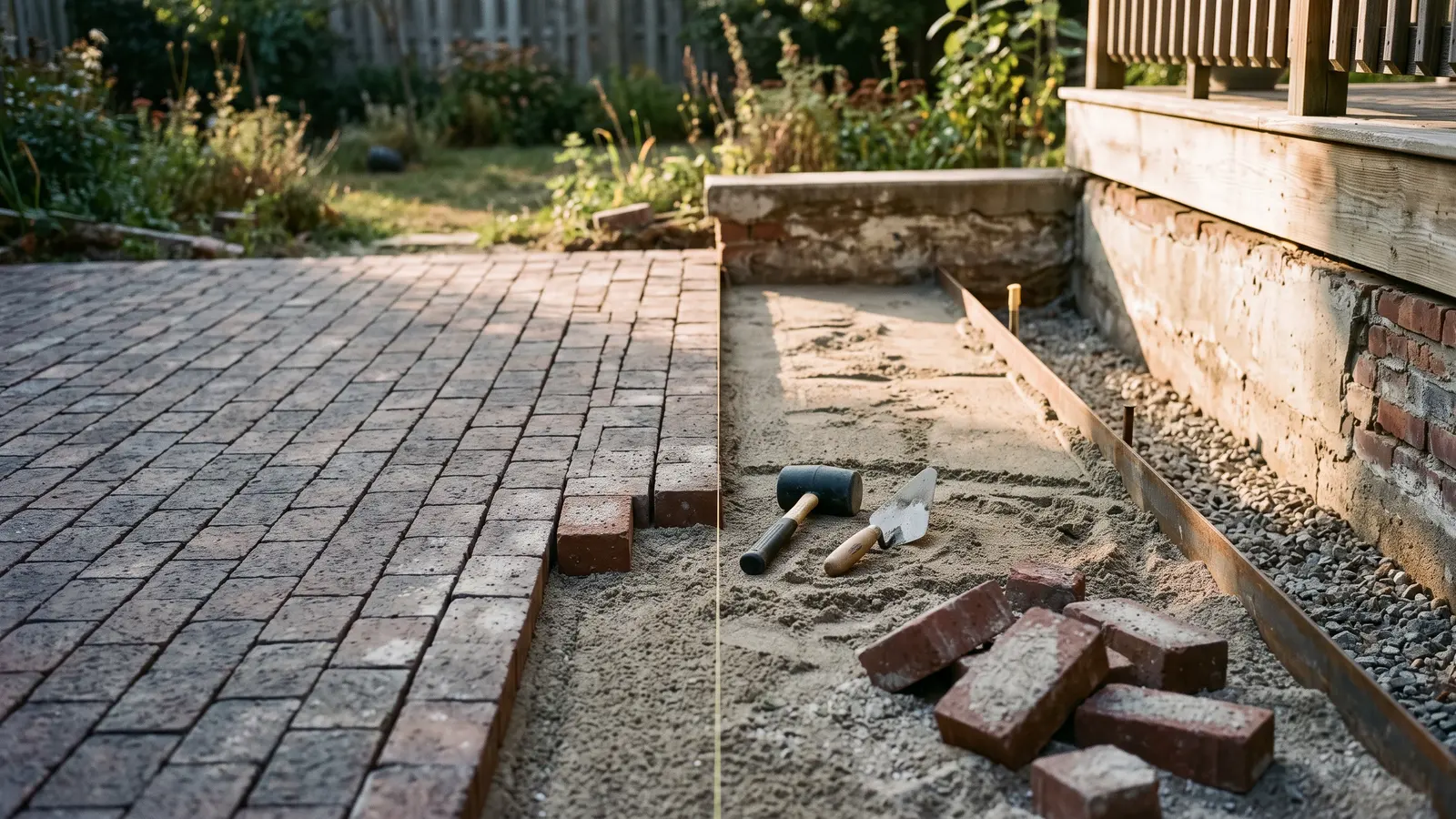
Mauro preps a porch ceiling with six color finalists, Jenn and Mark lay a running-bond brick paver patio on crusher run, Kevin tours a 200-year-old Tewksbury mill making rift-and-quartered white oak, and Charlie weaves salvaged Douglas fir into the second-floor hallway and linen closet.
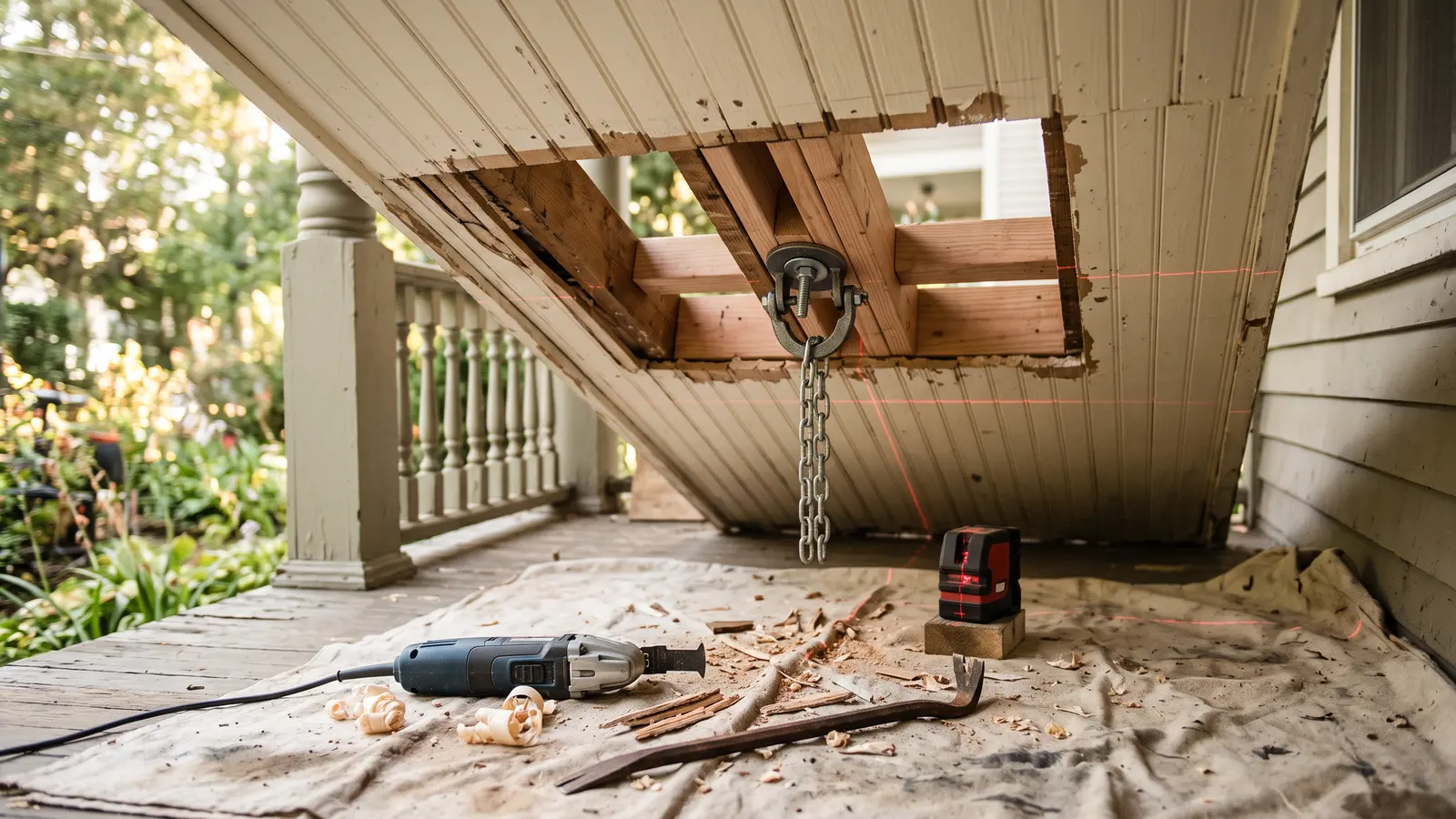
Lee Gilliam follows Kentucky bluegrass from Washington fields through a seed-cleaning plant's screens and gravity table, Mark McCullough compares brick, concrete, bluestone, and granite pavers by pattern and price, and Nathan Gilbert cuts open a porch ceiling to hang a 2,000-pound-rated swing with Freddy as the apprentice.
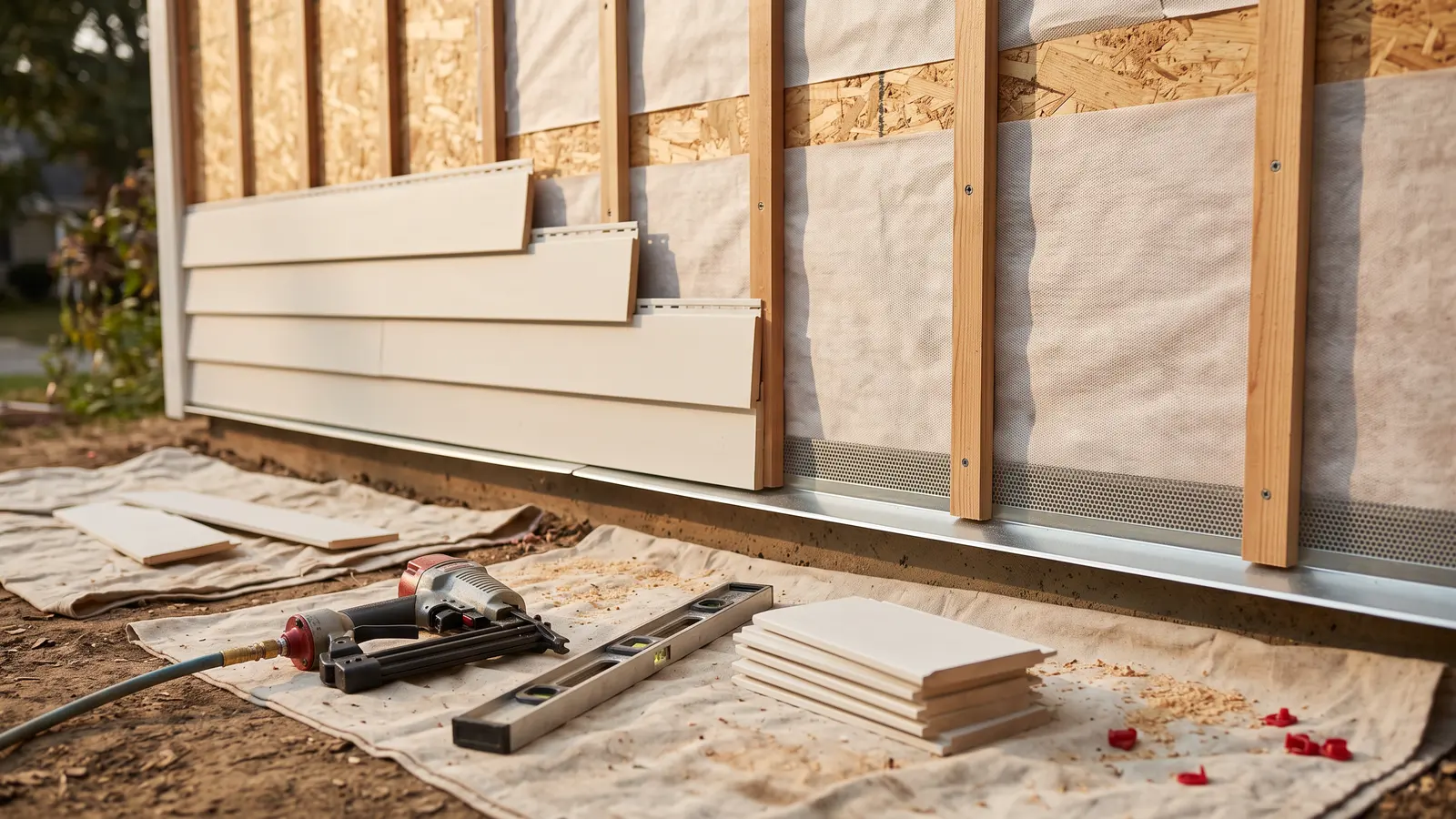
Charlie tours a Springfield trim factory, Tom explains why there should be air behind your siding, and the new deck gets composite tongue-and-groove boards. Plus: a kitchen mock-up that's smarter than it looks.
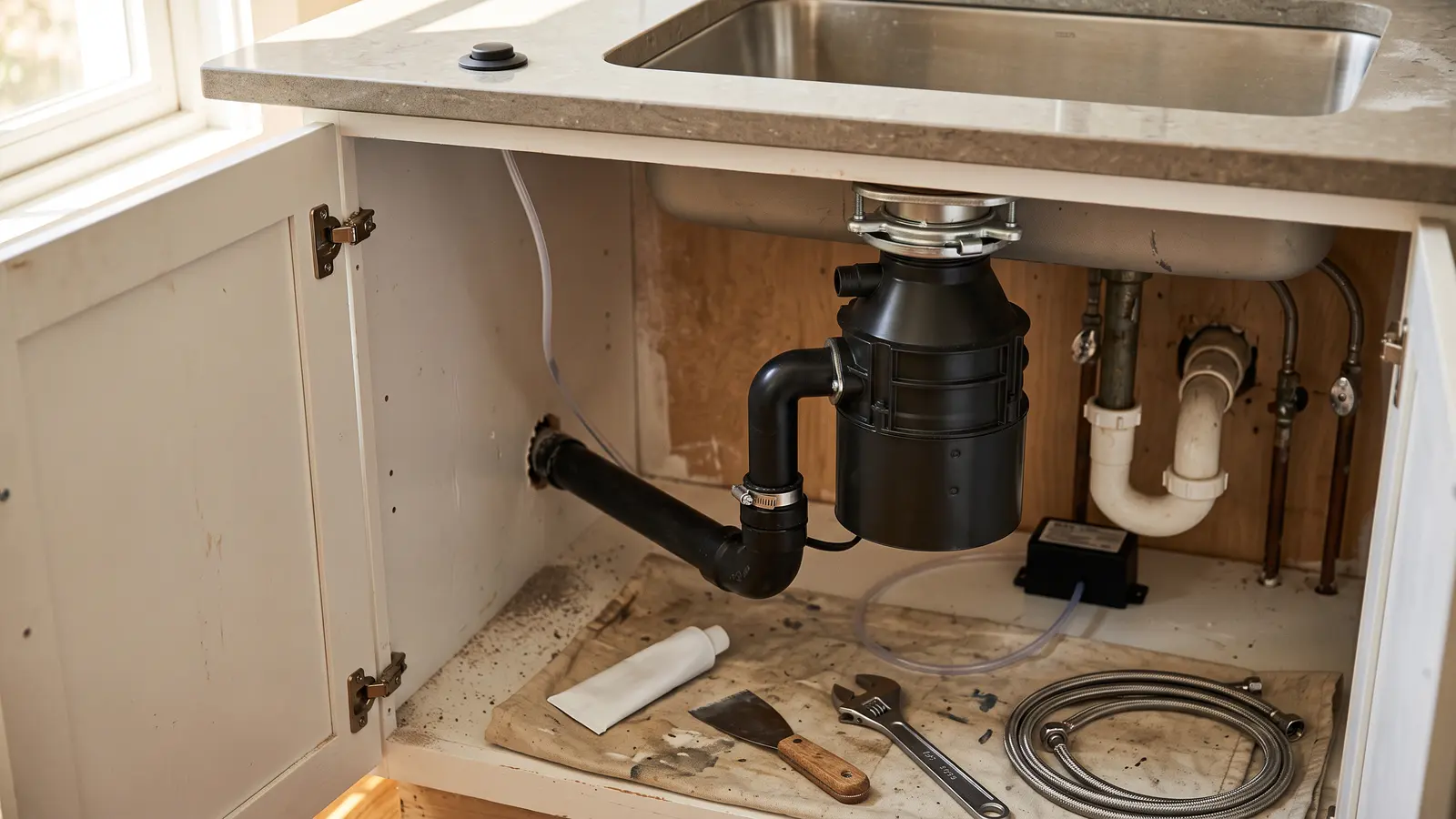
Tom Silva breaks down caulk types from latex to butyl, Richard Trethewey installs a garbage disposal with an air switch (and drills through granite), and Kevin O'Connor helps the young hosts of Toys and Colors build a dress-up closet with pocket screws and a miter saw.
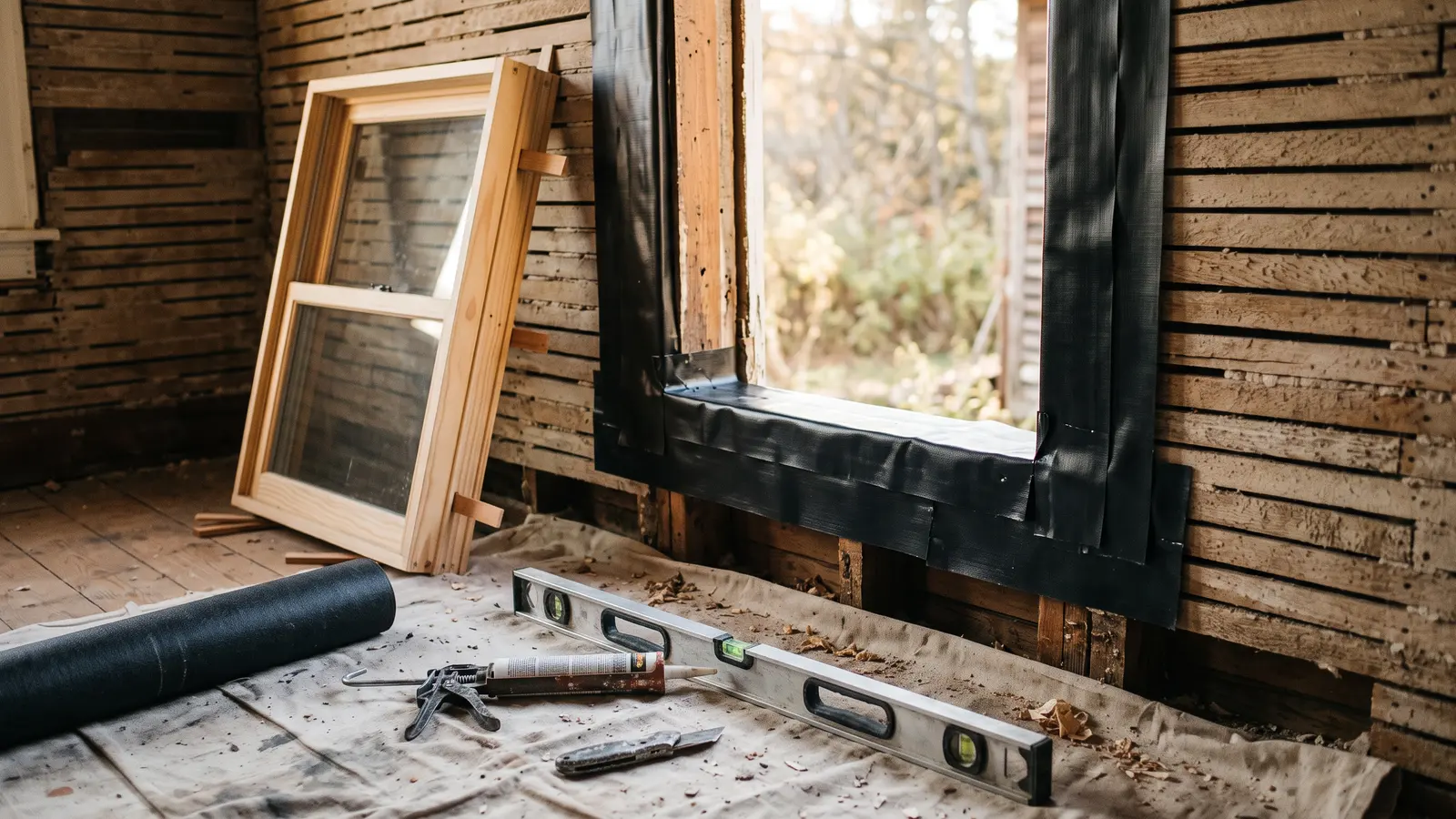
HVAC gets targeted upgrades instead of a gut job, Charlie chooses closed-cell spray foam for the third floor, and Tom proves that proper window flashing is a lost art worth finding.
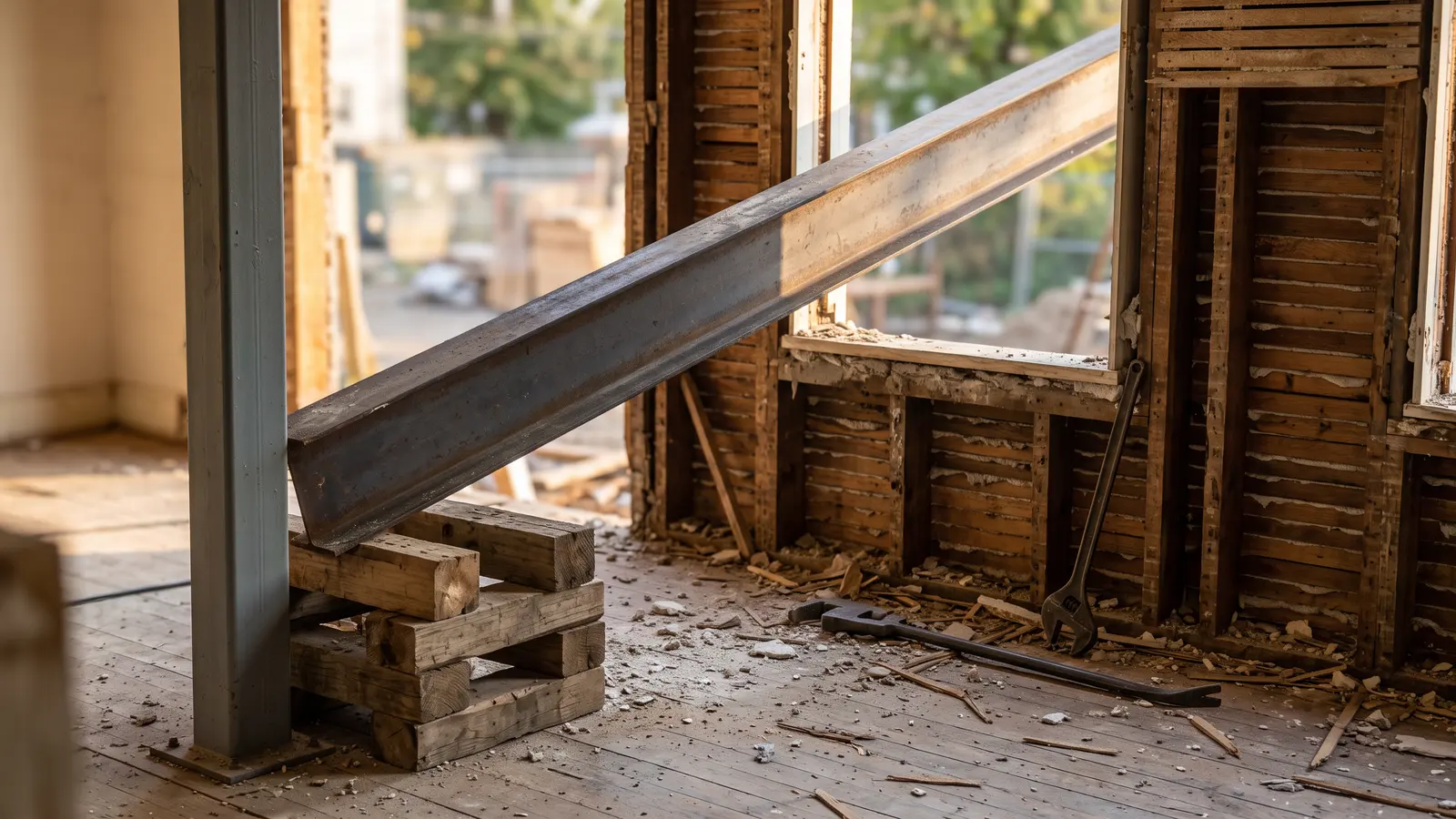
The inevitable asbestos discovery, a field trip to a recycling facility, and a 24-foot steel beam craned through a rear window — because sometimes the front door isn't an option.
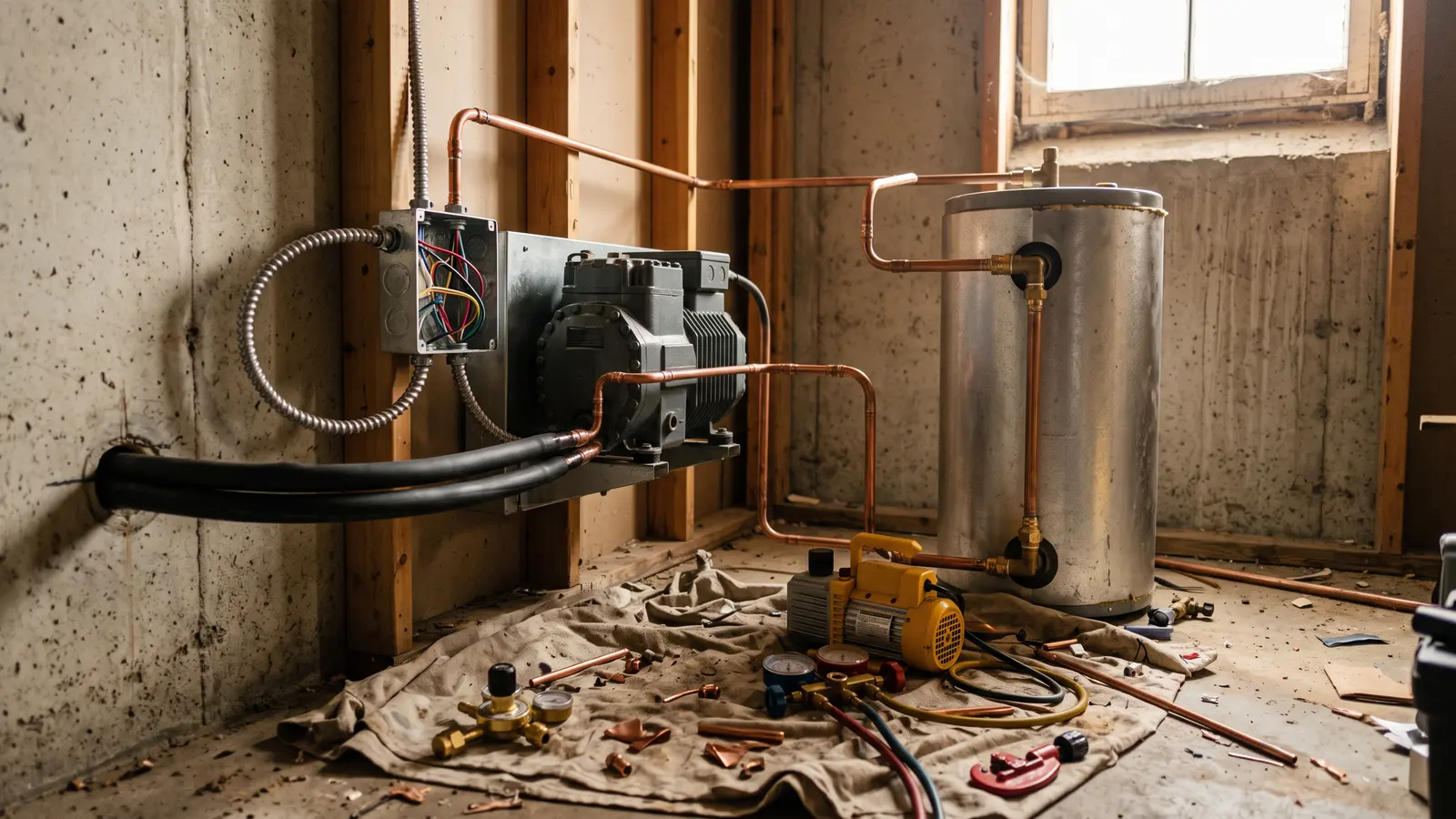
Ross Trethewey installs a split heat pump water heater that puts the evaporator outside, making it a cold-climate winner. Jenn Nawada prescribes treatments for mealybugs, spider mites, and fungus gnats. Nathan Gilbert gives a Massachusetts homeowner safe attic access with a new pull-down ladder. Plus: why a frosty panel is actually a good sign.
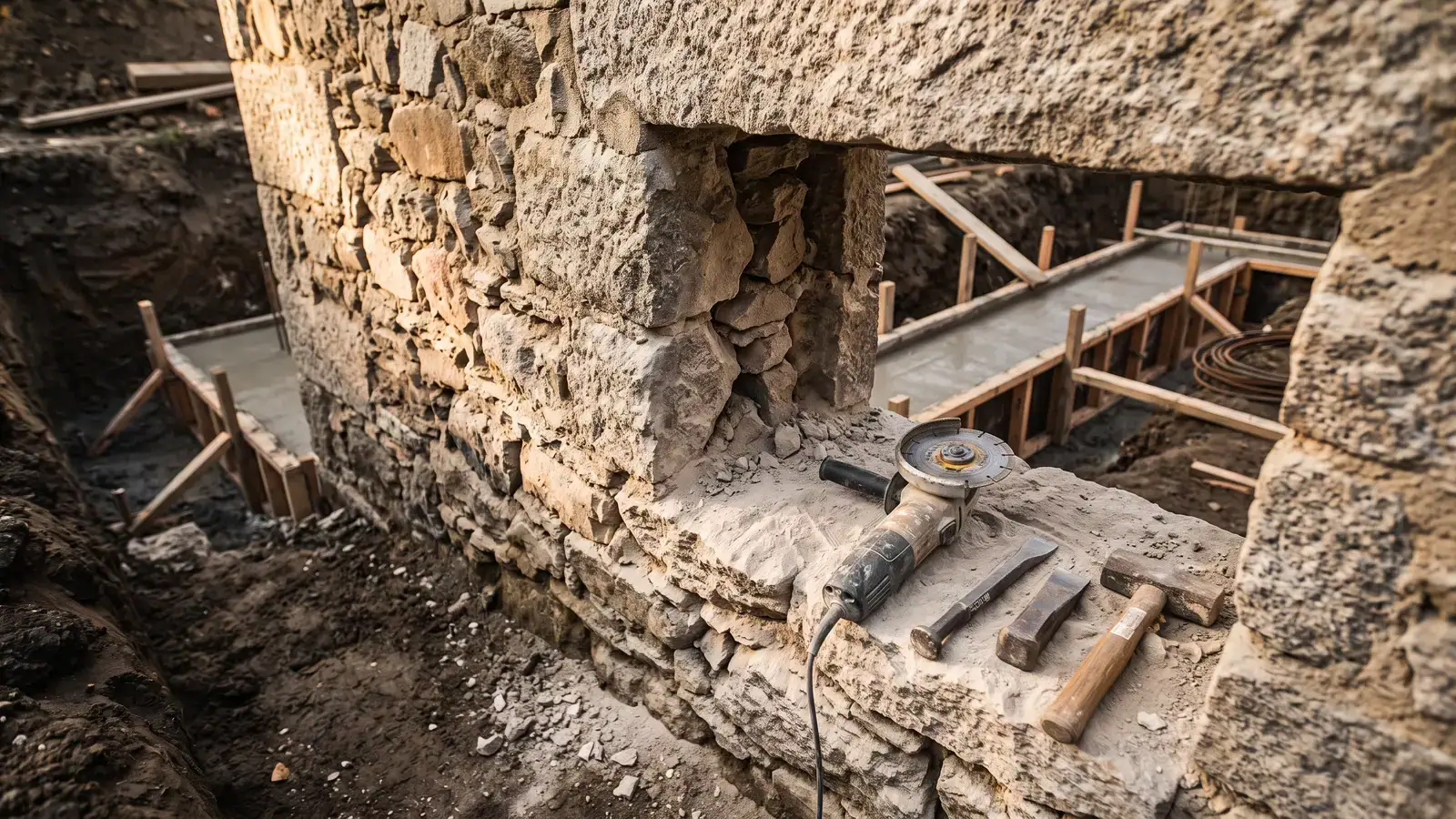
Charlie and Mark dismantle the center chimney from roof to first floor, Tom salvages kitchen cabinets for a new pantry, and a rubble stone foundation reveals just how different 1896 construction really was.
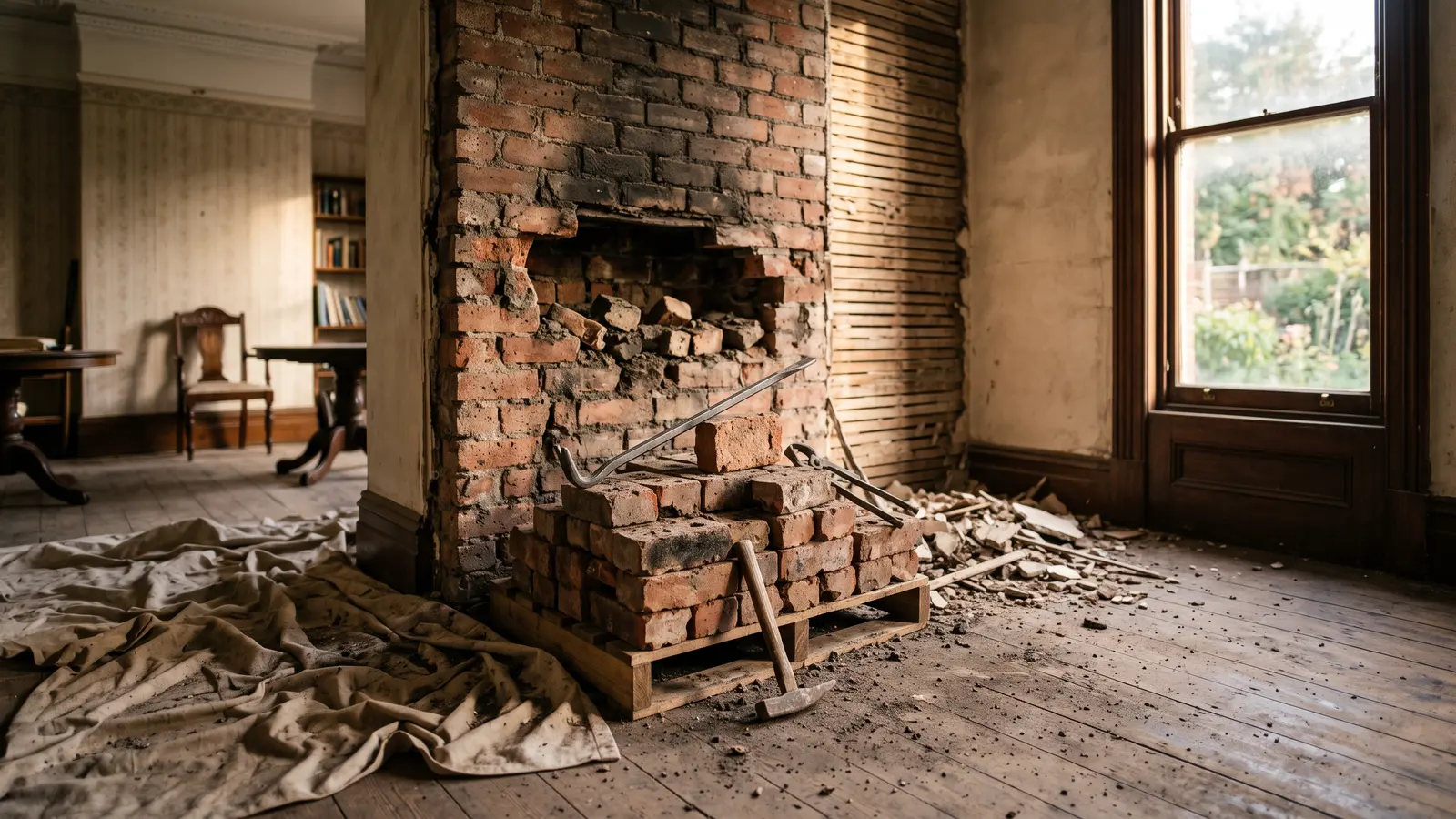
After eleven episodes of hurricane recovery, This Old House moves to Needham, MA, where the biggest crisis is an outdated kitchen. Perspective recalibrated, the crew meets Liz and Patrick's 1896 Queen Anne Victorian.
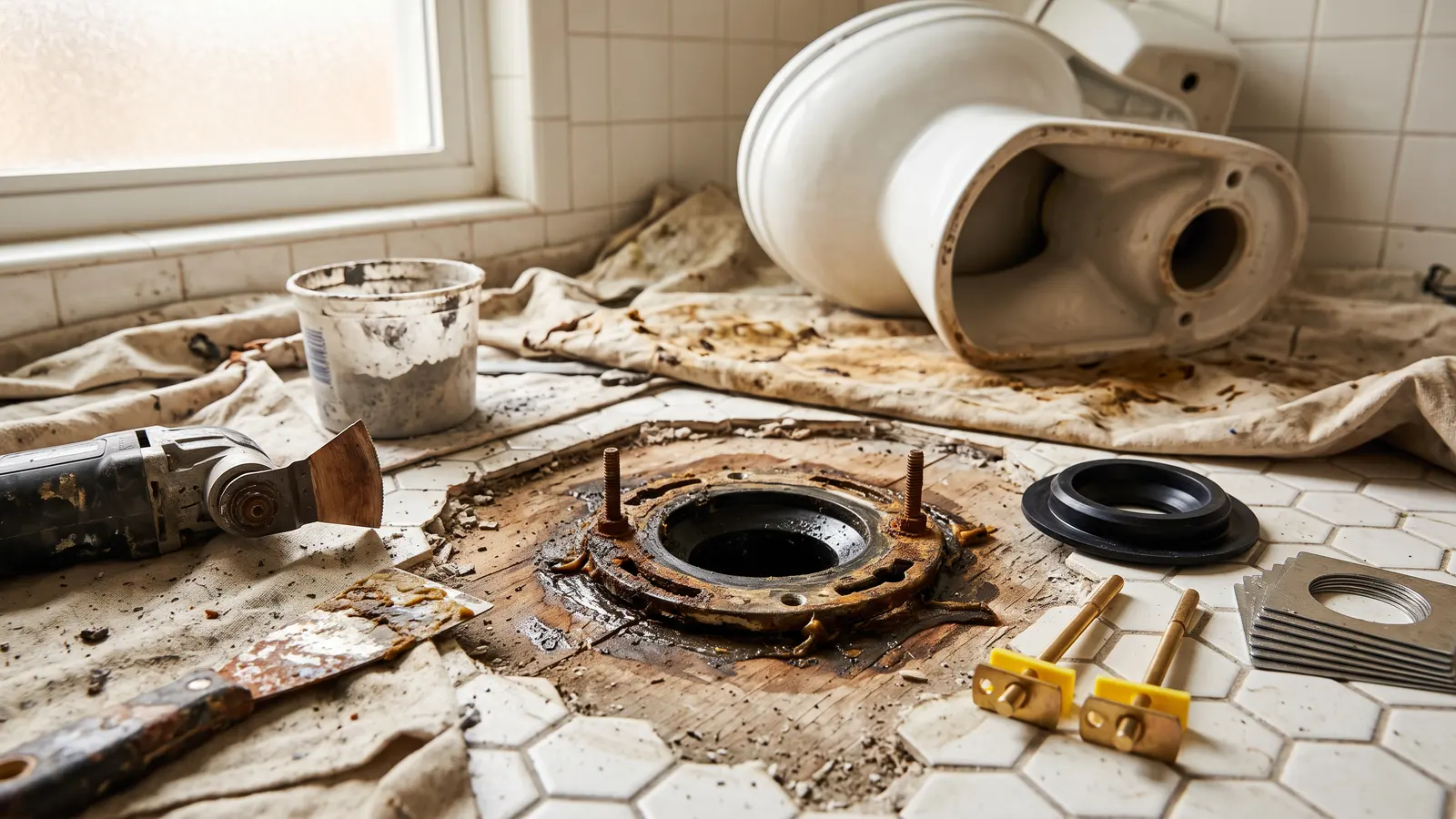
Richard Trethewey shows a no-wax flange kit with a rubber seal and longer bolts that handles a raised tile floor. Lee Gilliam walks Kevin through fuel, air, and spark on a gas mower, including ethanol separation and a genuinely filthy carburetor bowl. Nathan Gilbert turns a Cape's bar closet into a double-door speakeasy hidden behind a bookcase.
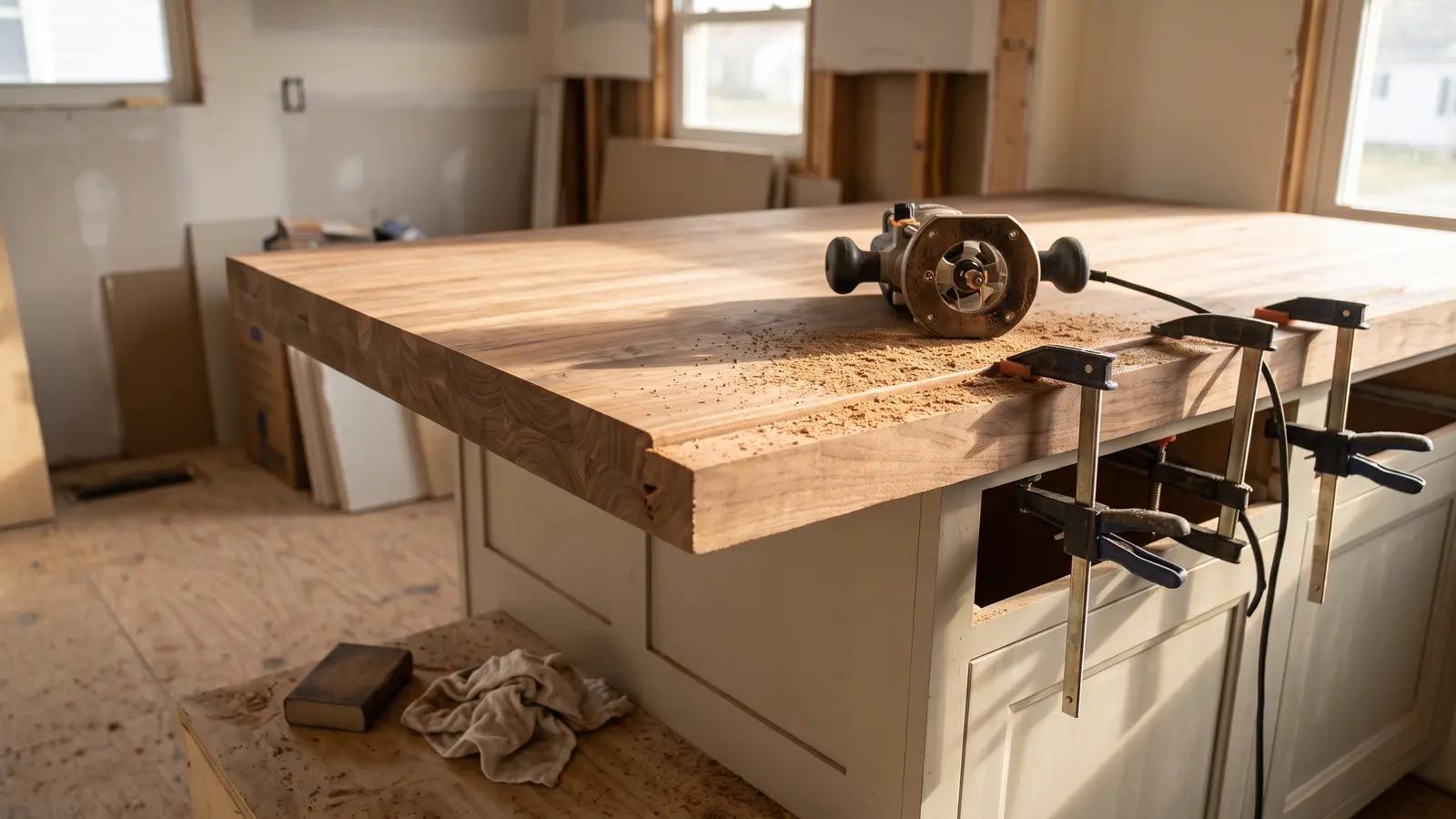
Kevin tours a Georgia carpet factory (it's more interesting than it sounds), Miah's kitchen island gets a butcher block top, and the North Asheville boulder wall gets planted with succulents.
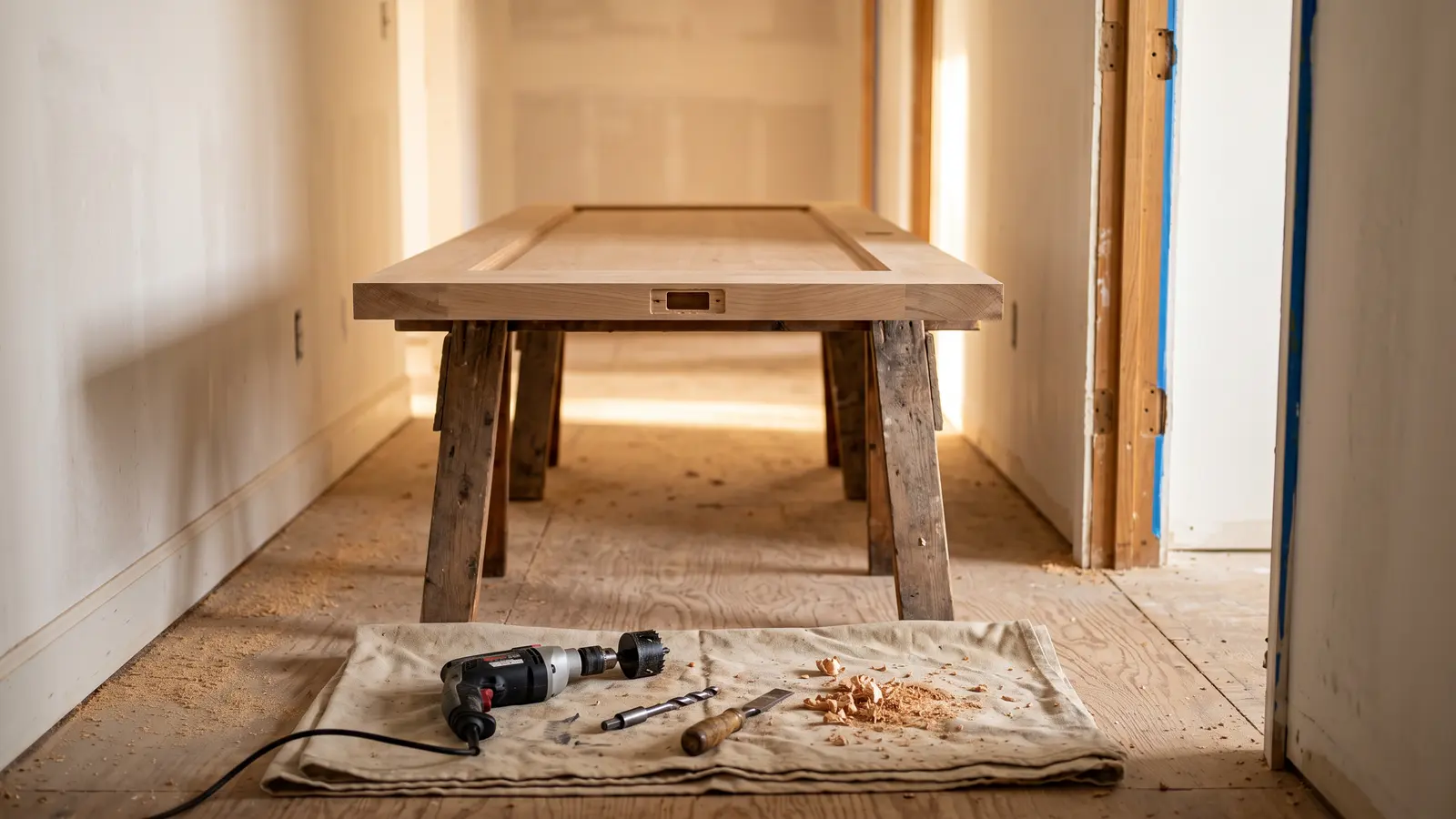
Lee Gilliam tackles a lumpy, mossy backyard with a dethatcher, a leveling rake, and a toddler’s help. Jenn Nawada breaks down houseplants by light exposure. Nathan Gilbert swaps hollow-core interior doors for solid-core slabs—and shows why rushing to prehung is a mistake.
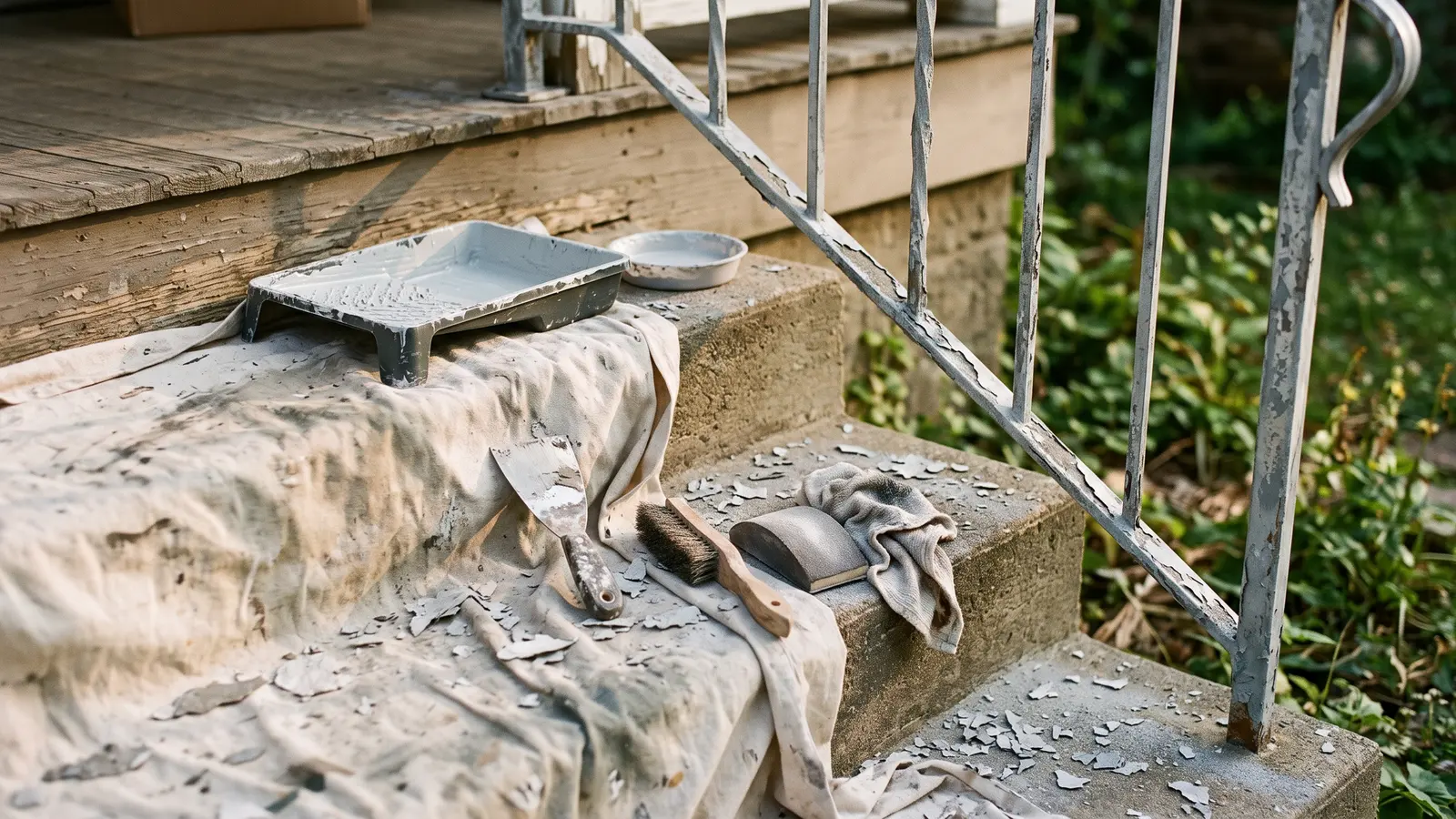
Nathan Gilbert returns to Gulfport to see how the Seabees still train builders and steelworkers from zero background, Tom Silva walks Kevin through ball sizes, hitch height, wiring, and a torsion hitch heavy enough to need two people, and Mauro Henrique rescues a five-year-old galvanized railing by stripping, cleaning, priming, and switching to DTM acrylic enamel.
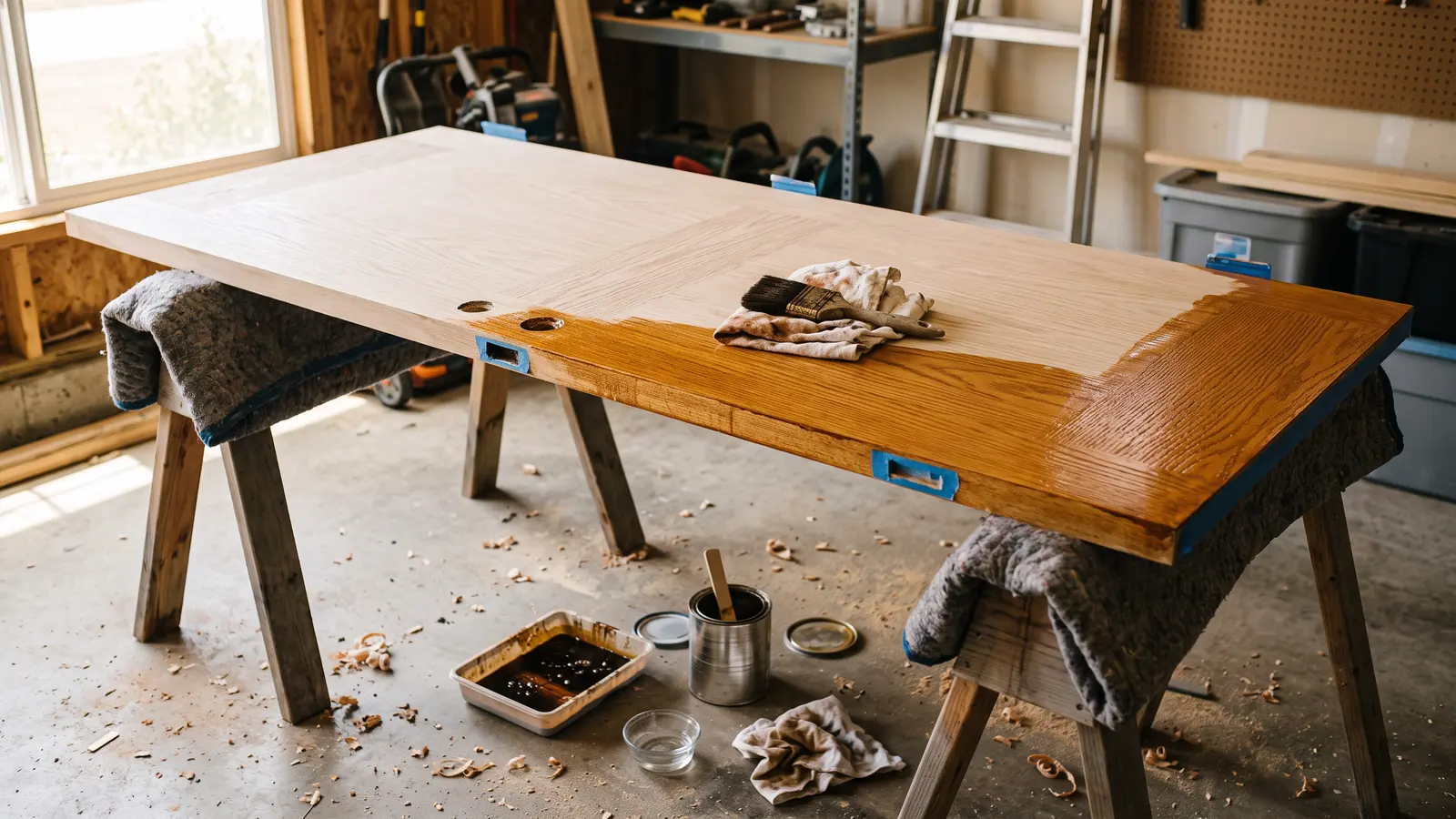
Landscape architects wrestle multi-ton boulders into retaining walls, Paula gets a door-staining lesson, and Kevin explores how Biltmore Village is bouncing back from the storm.
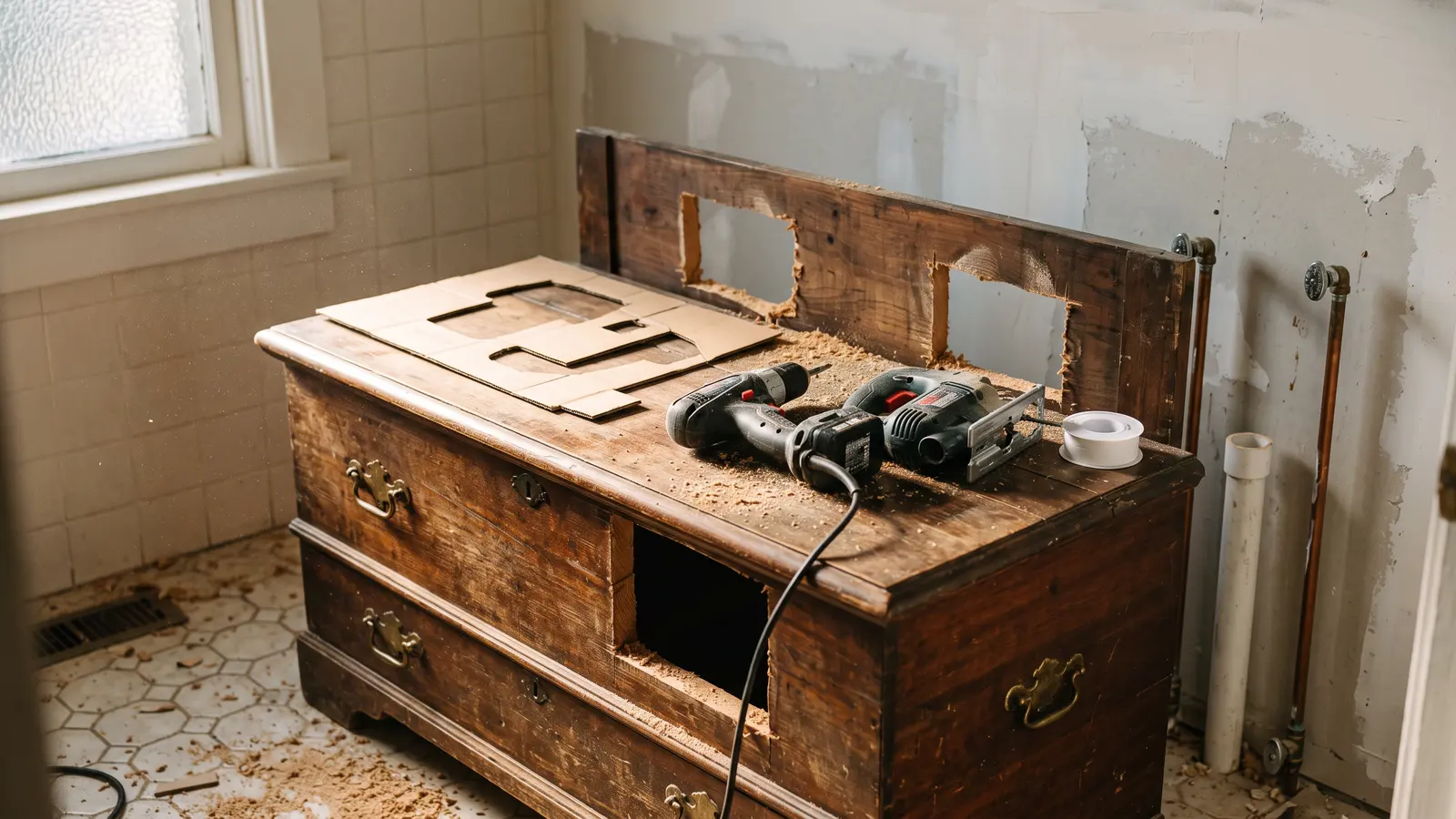
A carpentry teacher's students are building actual houses for storm victims, new electrical codes demand bigger meters, and Tom Silva helps turn an antique chest into a bathroom vanity — and somehow makes it look easy.
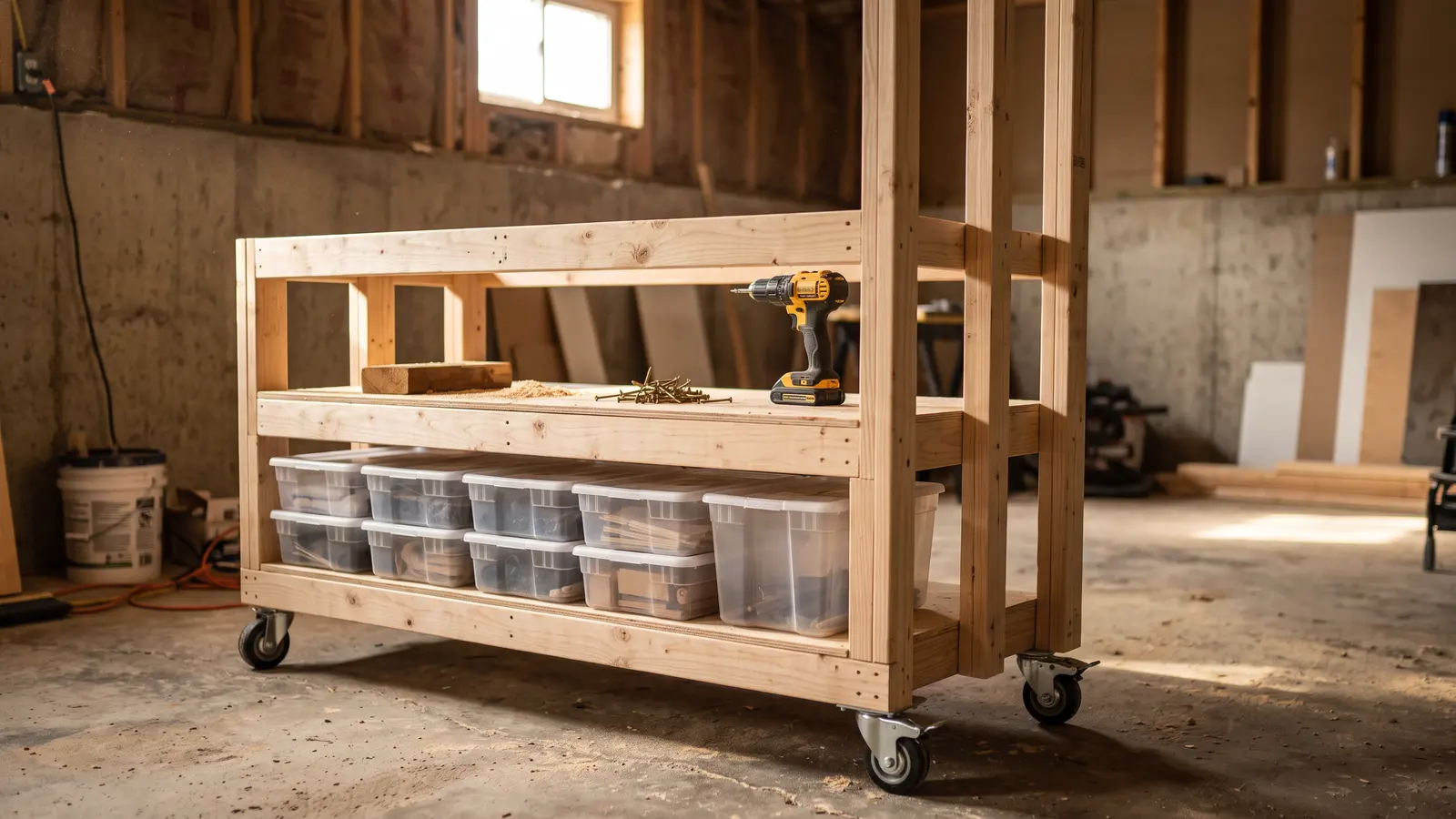
Lee Gilliam helps Rhonda replace a missing privacy screen with Green Giant arborvitae, Mark McCullough sorts the fireplace set by safety and function, and Tom Silva builds a rolling 2x4 rack so six storage totes slide out individually instead of becoming a stack.
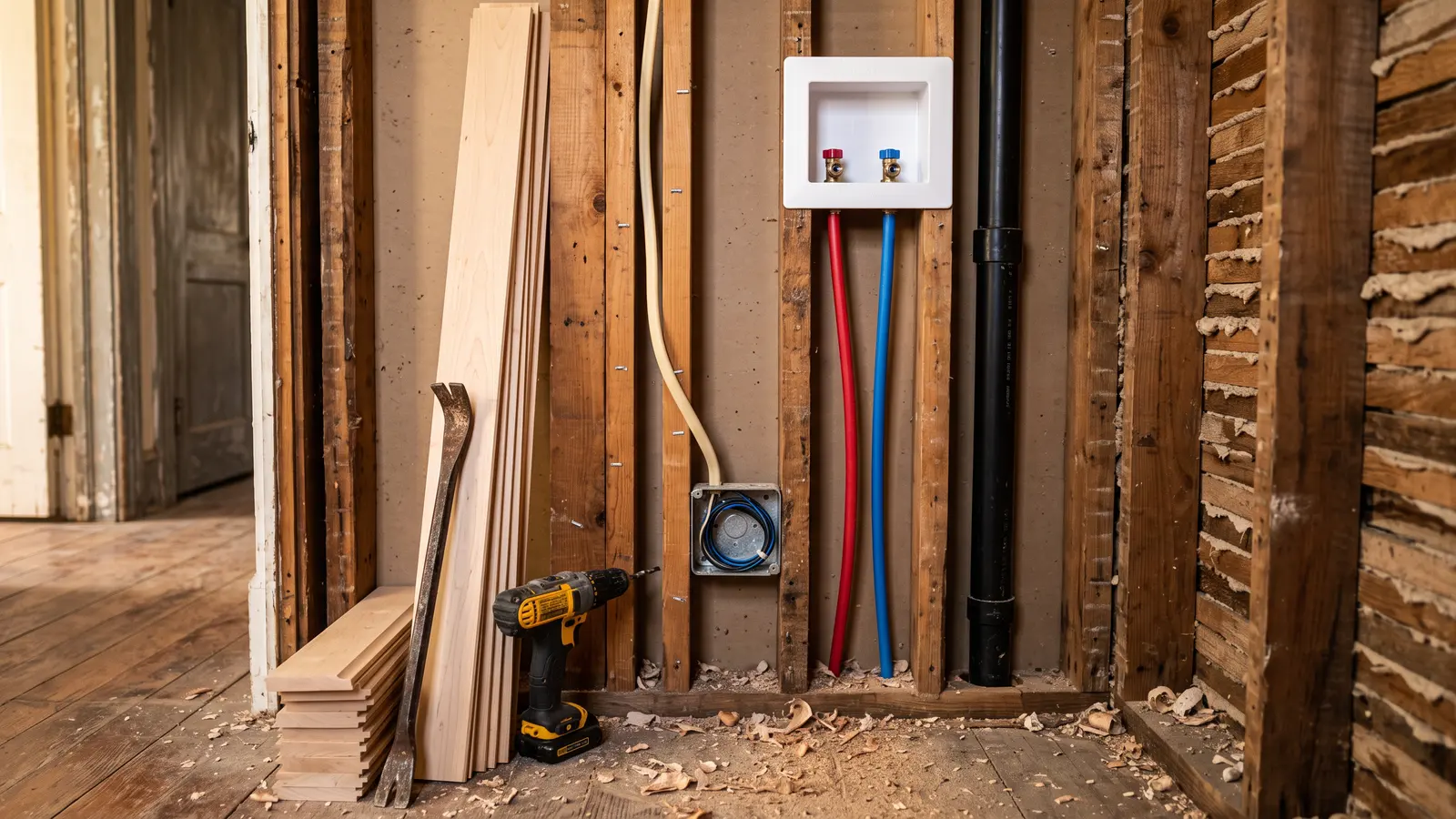
Kevin O'Connor gets a decibel demo from an audiologist: a miter saw over 100 dB, a drill around 85, and hammer strikes peaking above 120. Then Richard Trethewey, Heath Eastman, and Nathan Gilbert turn a bathroom closet into a first-floor laundry for Jim and Michele, with new 20-amp and 30-amp circuits, a 2-inch drain, a relocated thermostat, and a hallway door. The part TV compresses: getting the vent, valve box, wiring, and framing to share one wet wall.
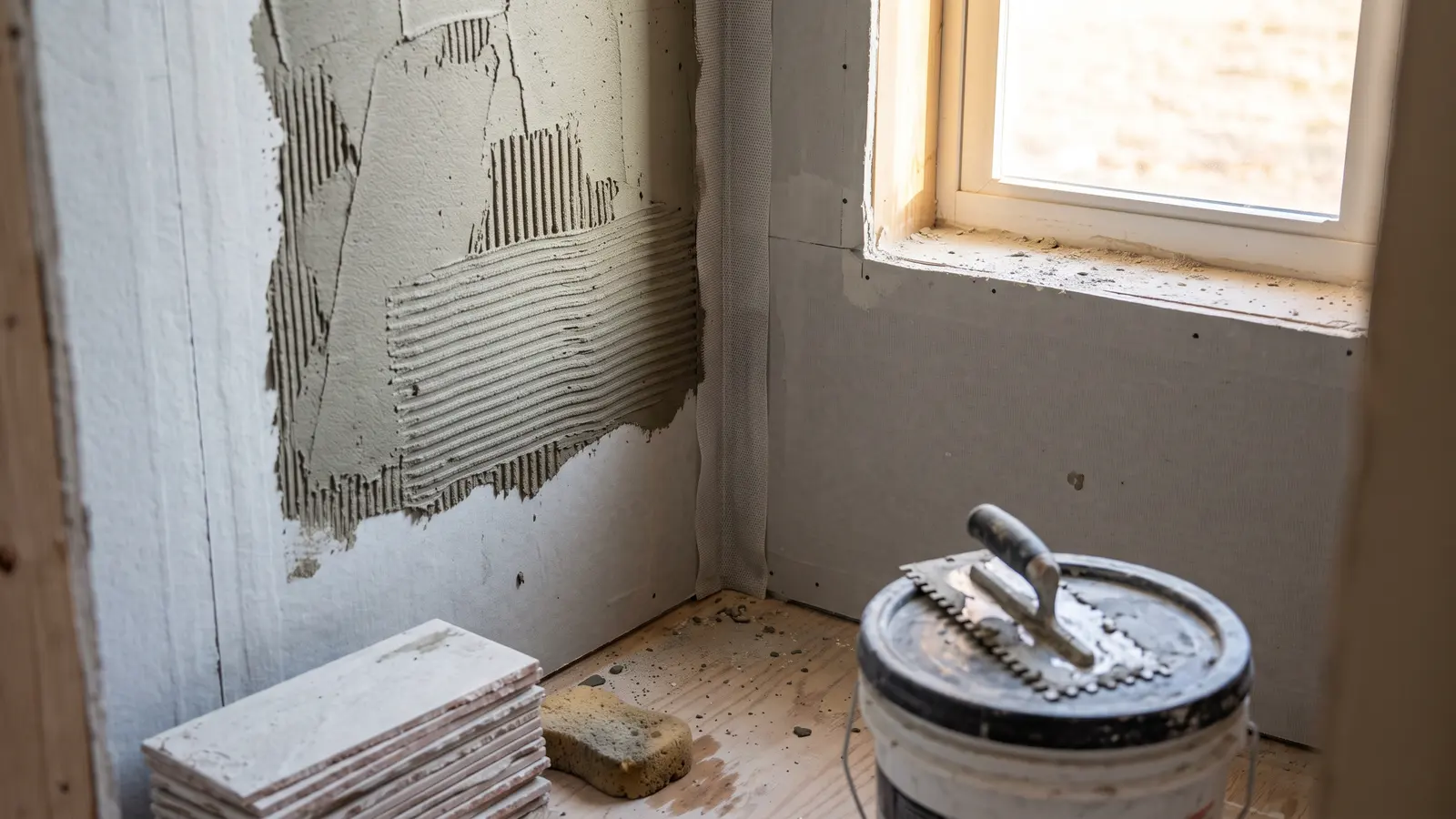
Jim's brother drives down from Jersey to tile a bathroom, a father-son roofing duo explains why four nails aren't enough anymore, and Kevin sneaks in a field trip to the Biltmore Estate.
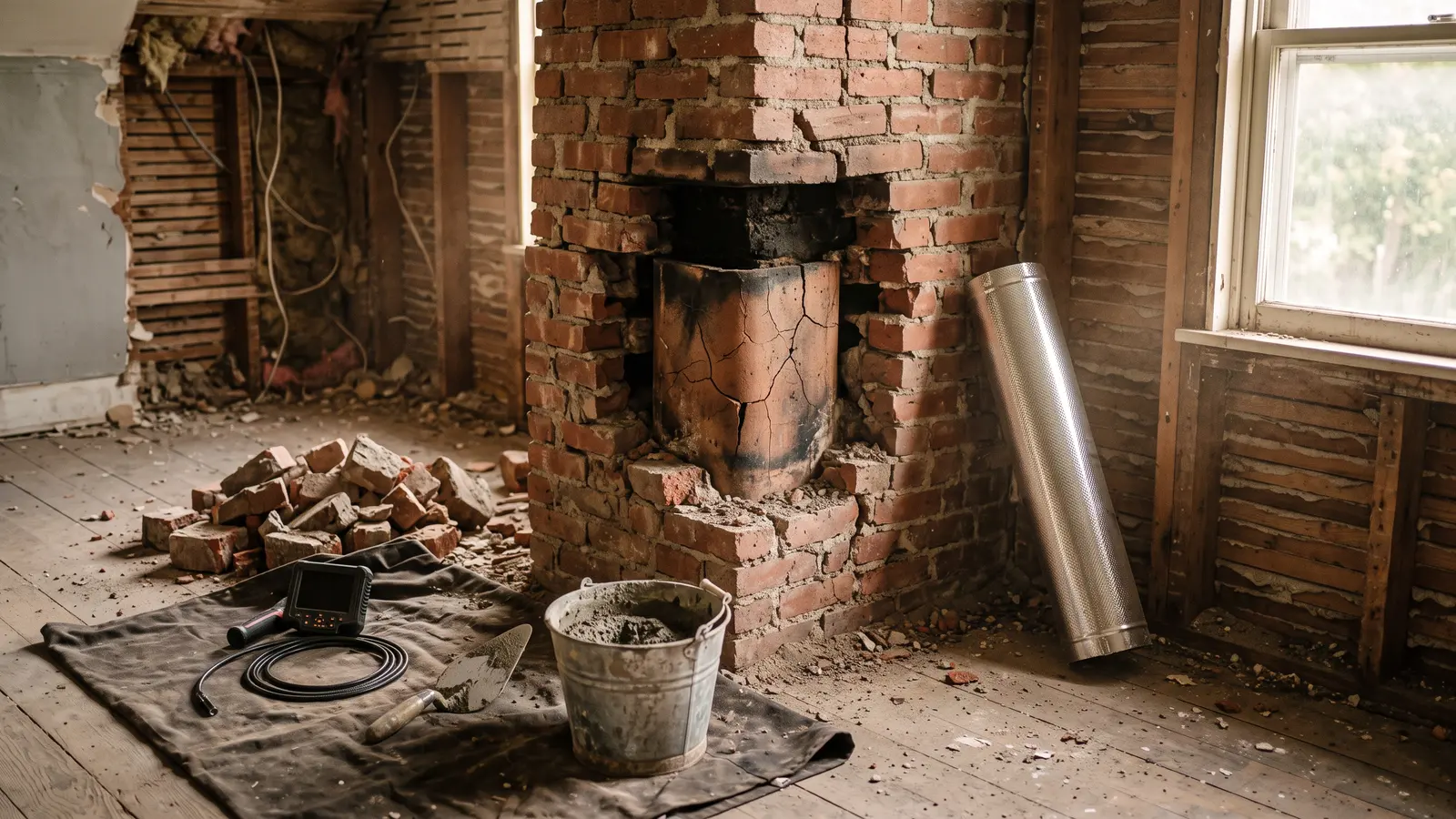
Mark and a mason scope out chimney damage with a camera (it's not pretty), Kevin replaces siding in the mud, and the Army Corps of Engineers drops by to explain what 'relief efforts' actually looks like.
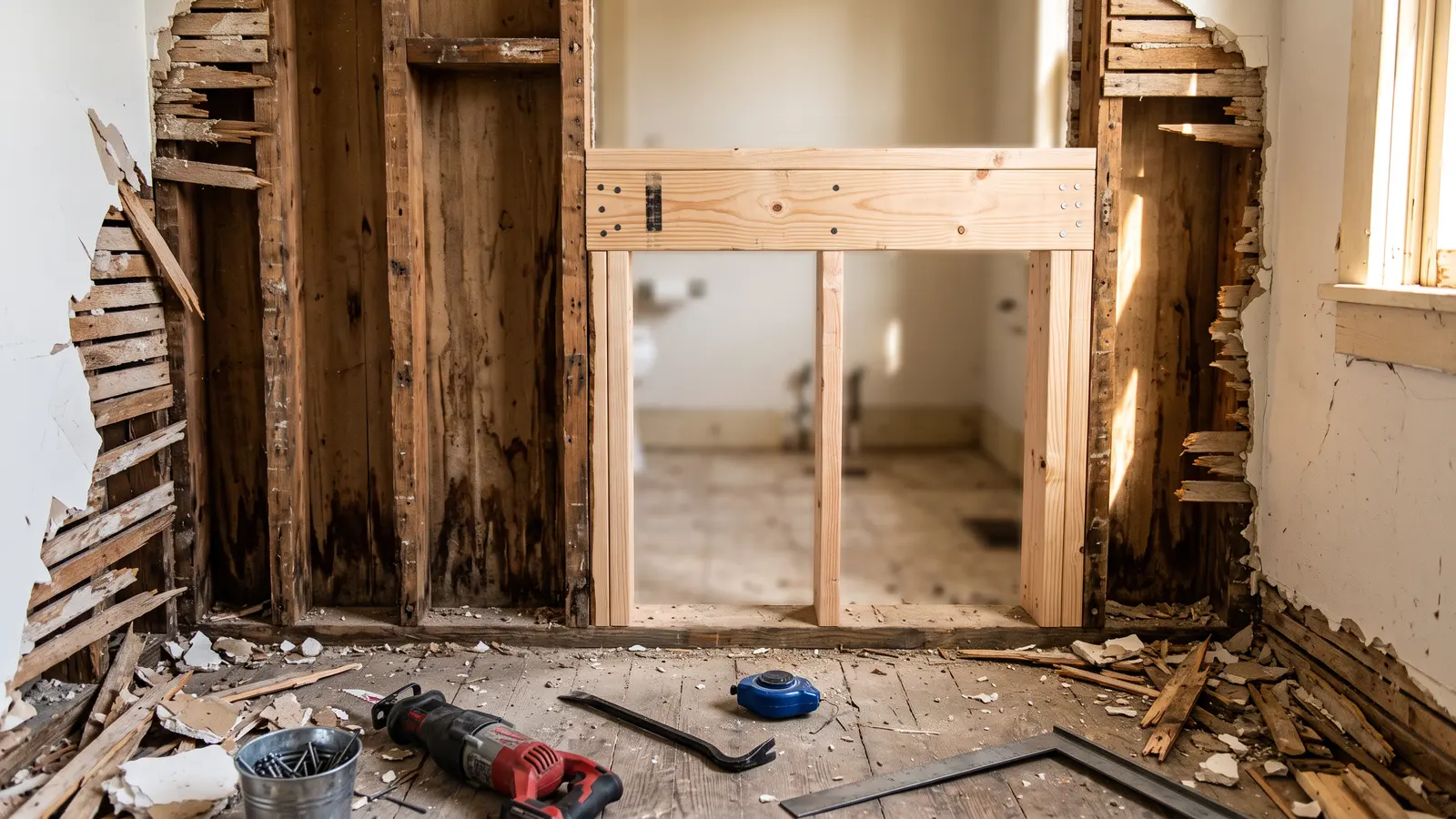
A meteorologist explains how the Blue Ridge Mountains turned Hurricane Helene into a rain machine, while the crew starts ripping out walls, replacing panels, and prepping for the long road ahead.
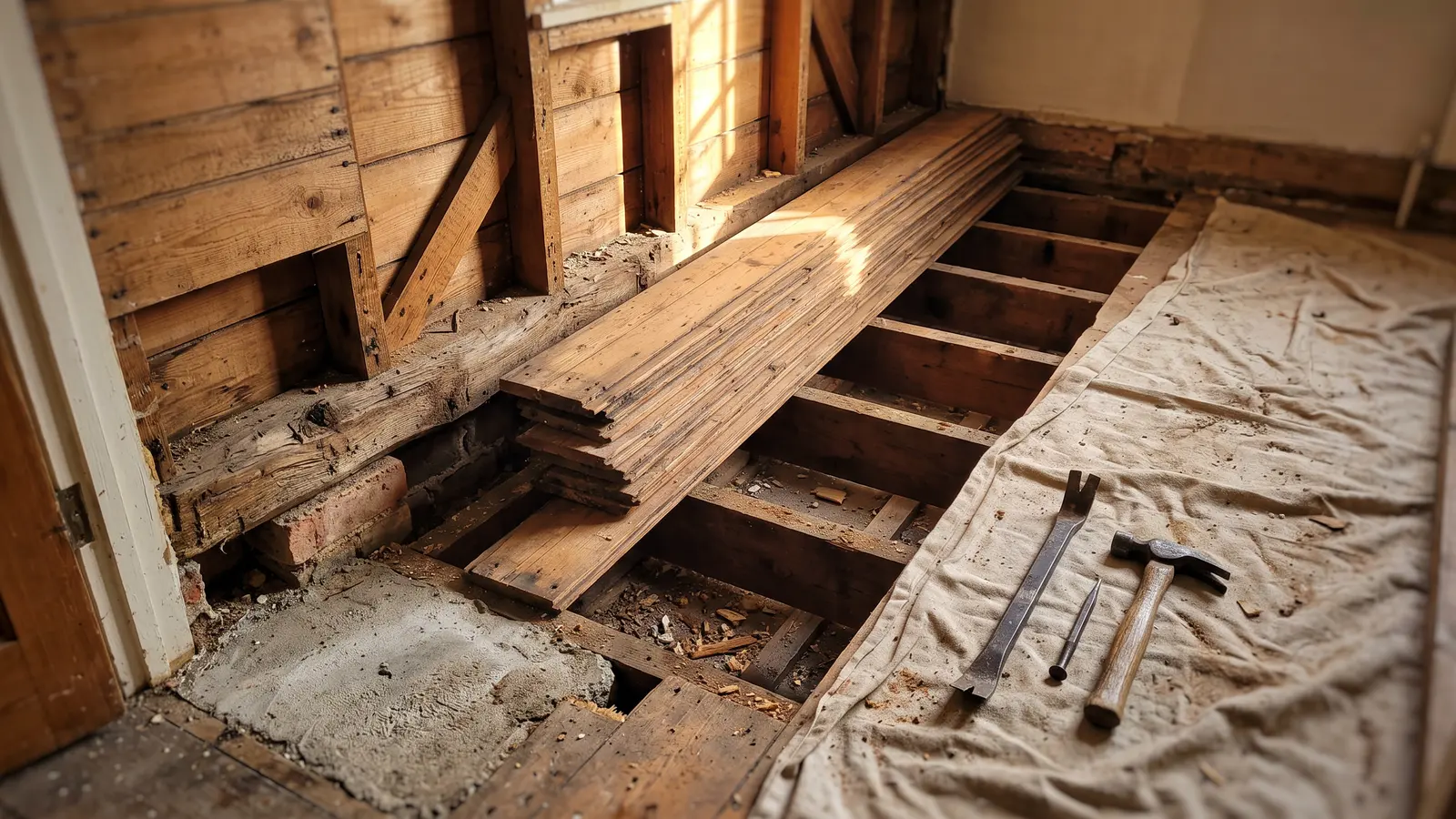
Season 47 kicks off in Western North Carolina, where Hurricane Helene turned neighborhoods into rivers. But the real star of the premiere? Worker housing from the 1920s that Tom Silva can't stop admiring.
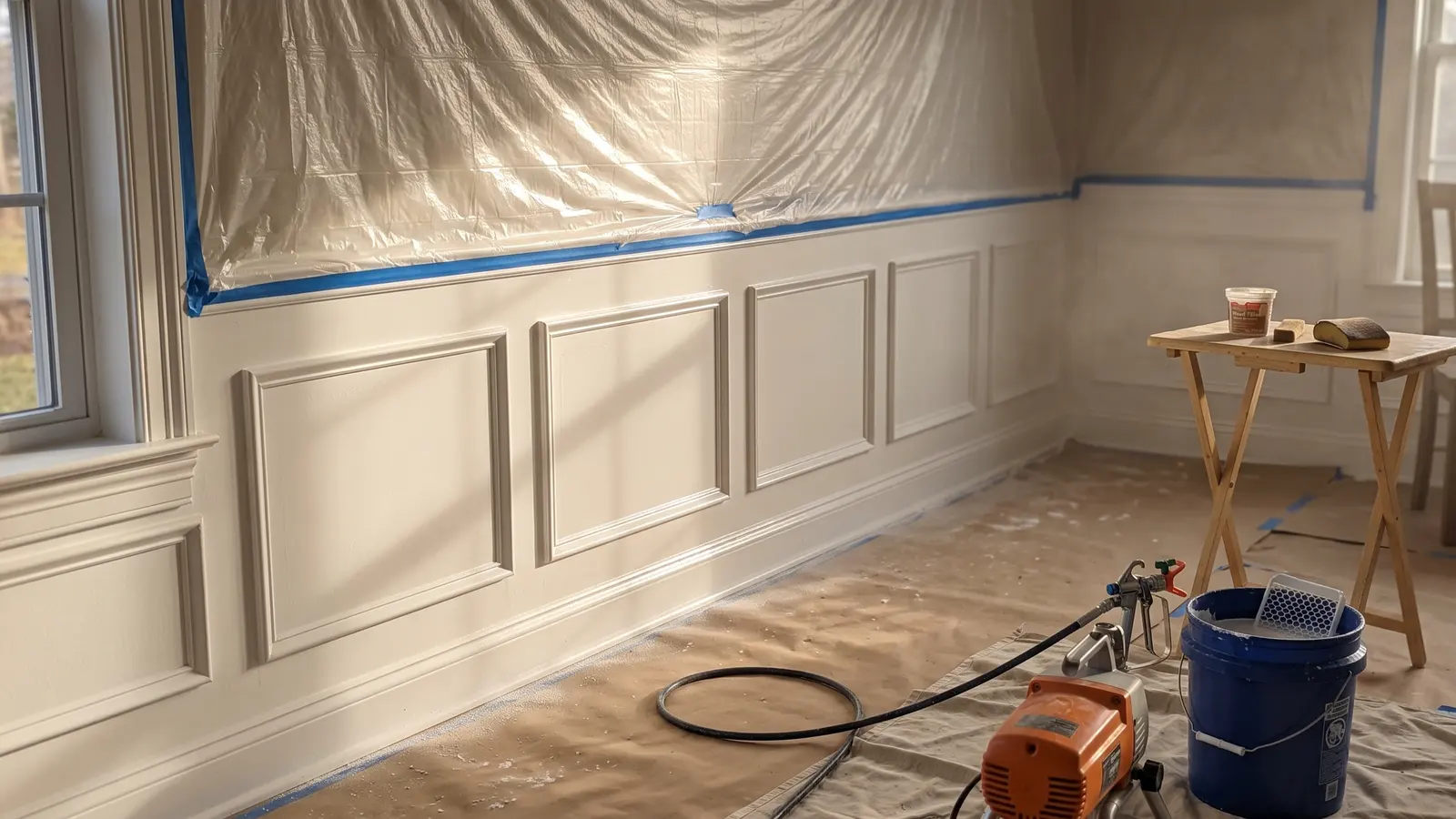
Mauro Henrique sprays wainscoting with an airless rig and a room full of masking, Kevin O'Connor, Ross Trethewey, and Heath Eastman compare heat pumps with fossil fuels using a levelized cost chart, and Nathan Gilbert builds a pressure-treated sandbox with two brothers who take digging seriously.
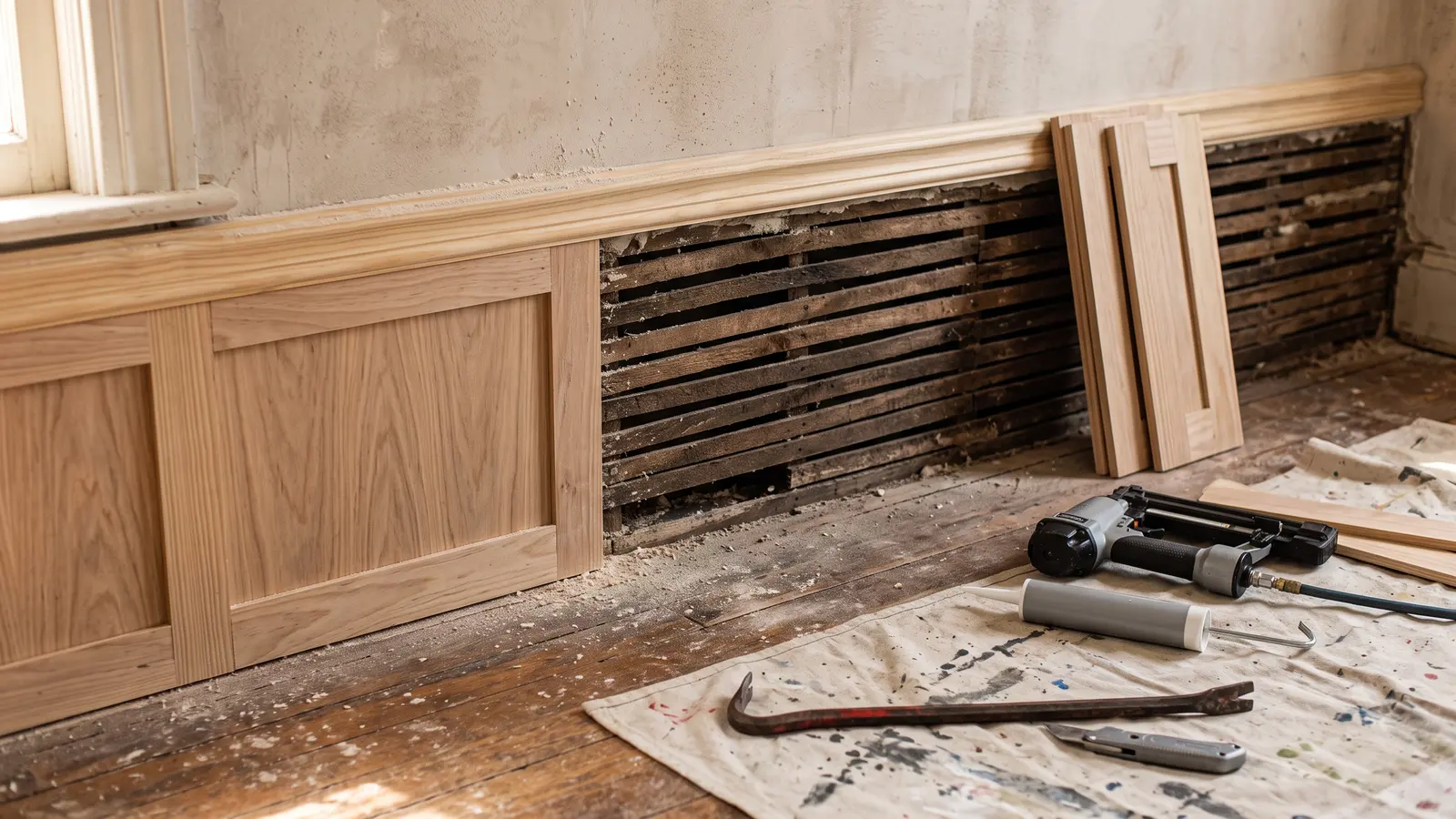
Richard Trethewey converts a smoky wood-burning fireplace to a sealed gas insert with a crew of licensed trades, Nathan Gilbert installs flat panel wainscoting in an old dining room, and Tom Silva stumps the table with a spring-loaded nail set.
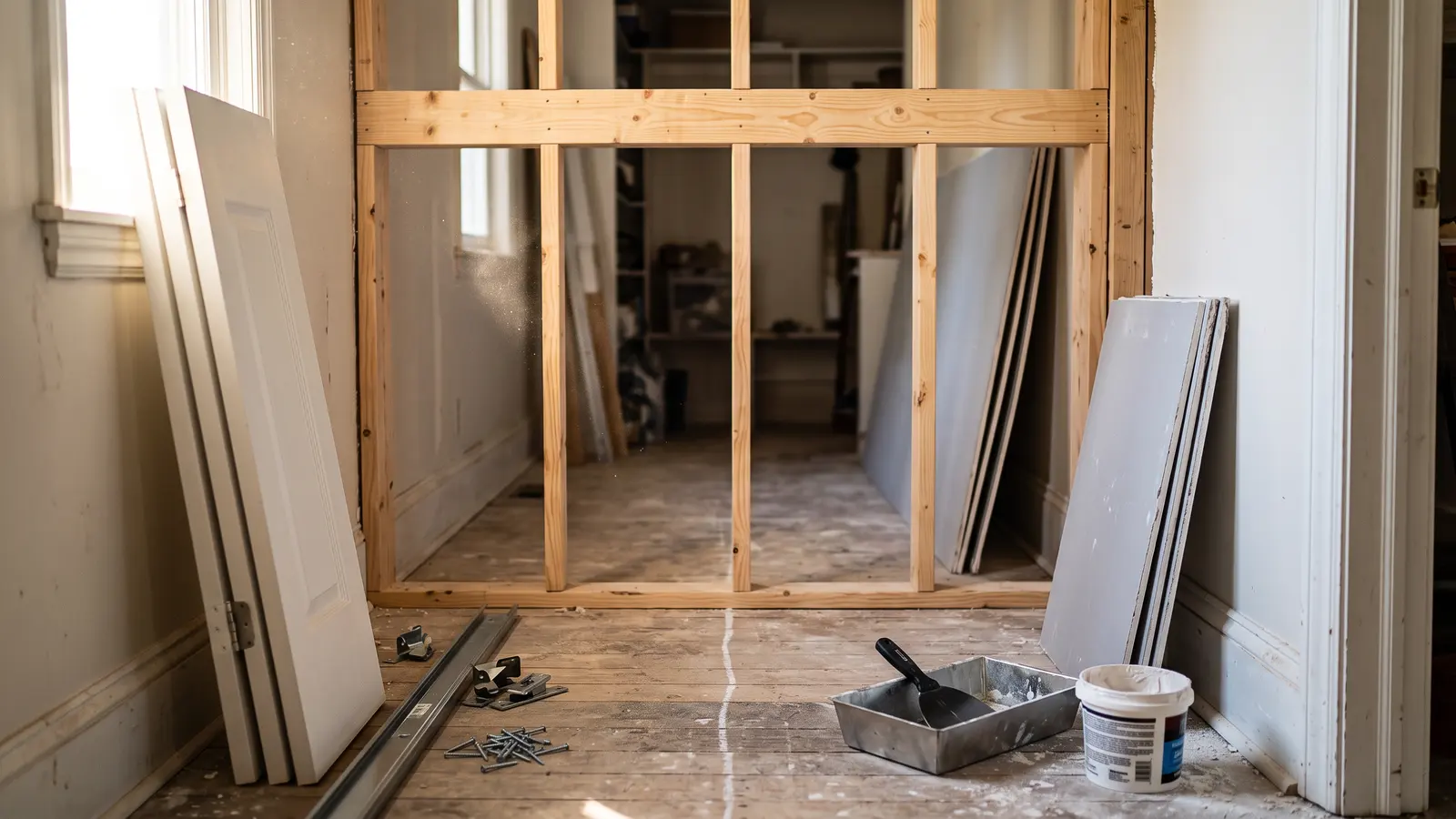
Mark McCullough builds a gravel shed foundation in Detroit, Tom Silva and Nathan Gilbert walk through non-load-bearing wall framing, and Nathan installs a bifold-door partition to hide a laundry area. The door gets the credit; the base and the rough opening do the work.
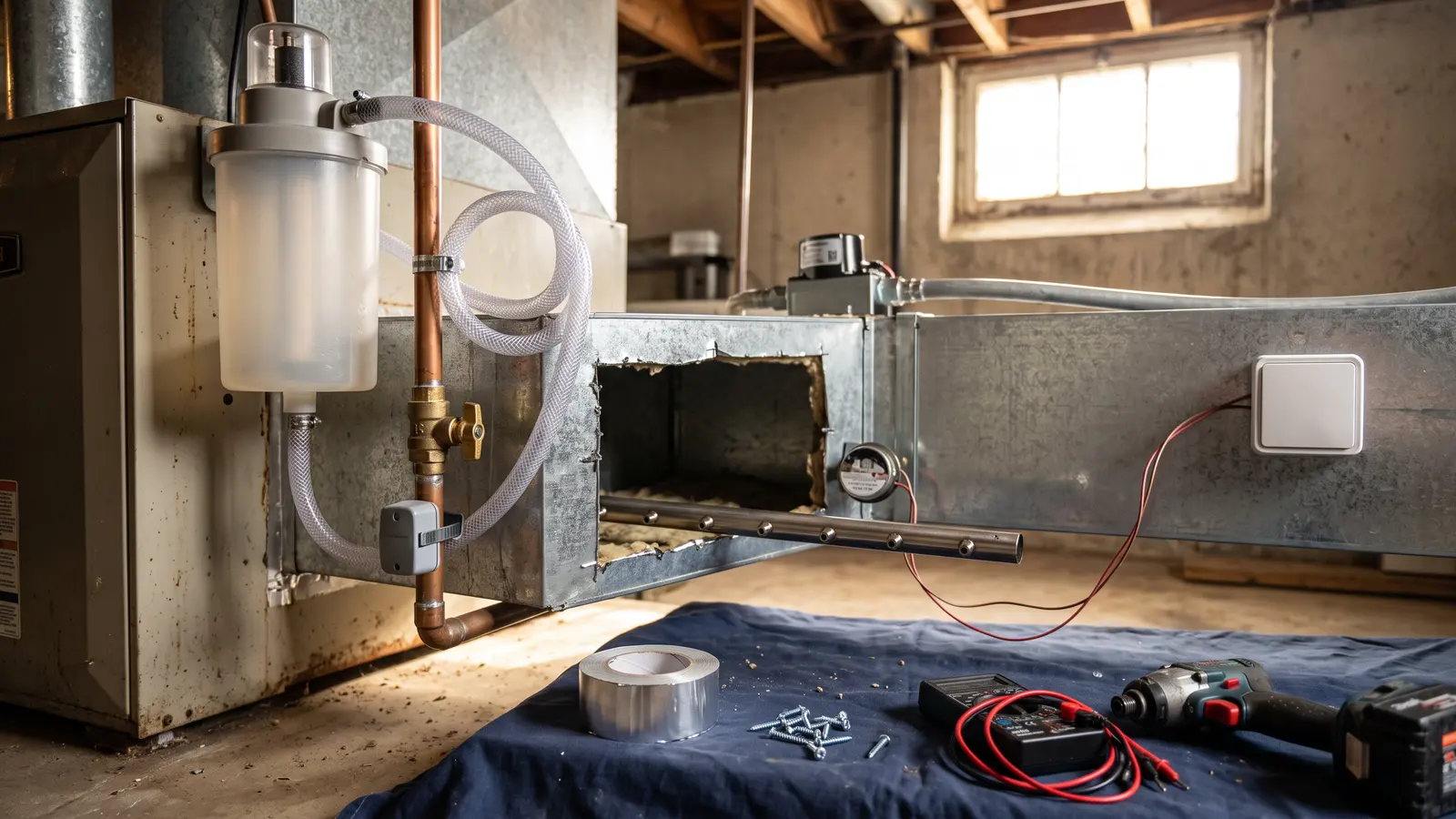
Ross Trethewey fixes winter dry air with a steam humidifier, Mauro Henrique stacks and sprays shutters in bulk, and Tom Silva builds a triangular teak outdoor end table. The useful lesson is that humidity control is mechanical, not a bowl of water on the radiator.
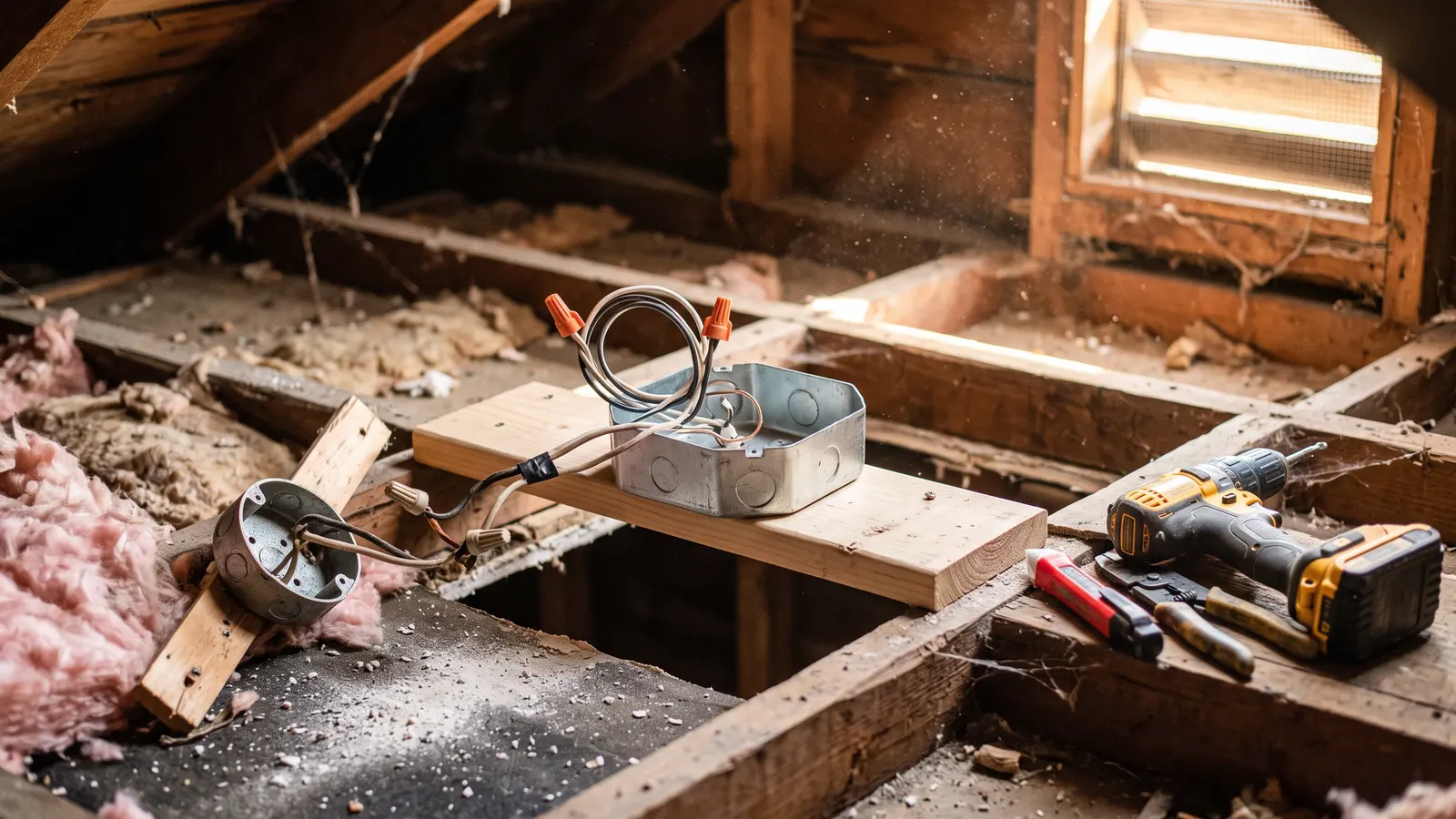
A practical exploration of Season 23 Episode 6 featuring Jenn's drainage solutions, Kevin Cradock's carpentry showcase, and Heath's ceiling fan installation with proper electrical safety.
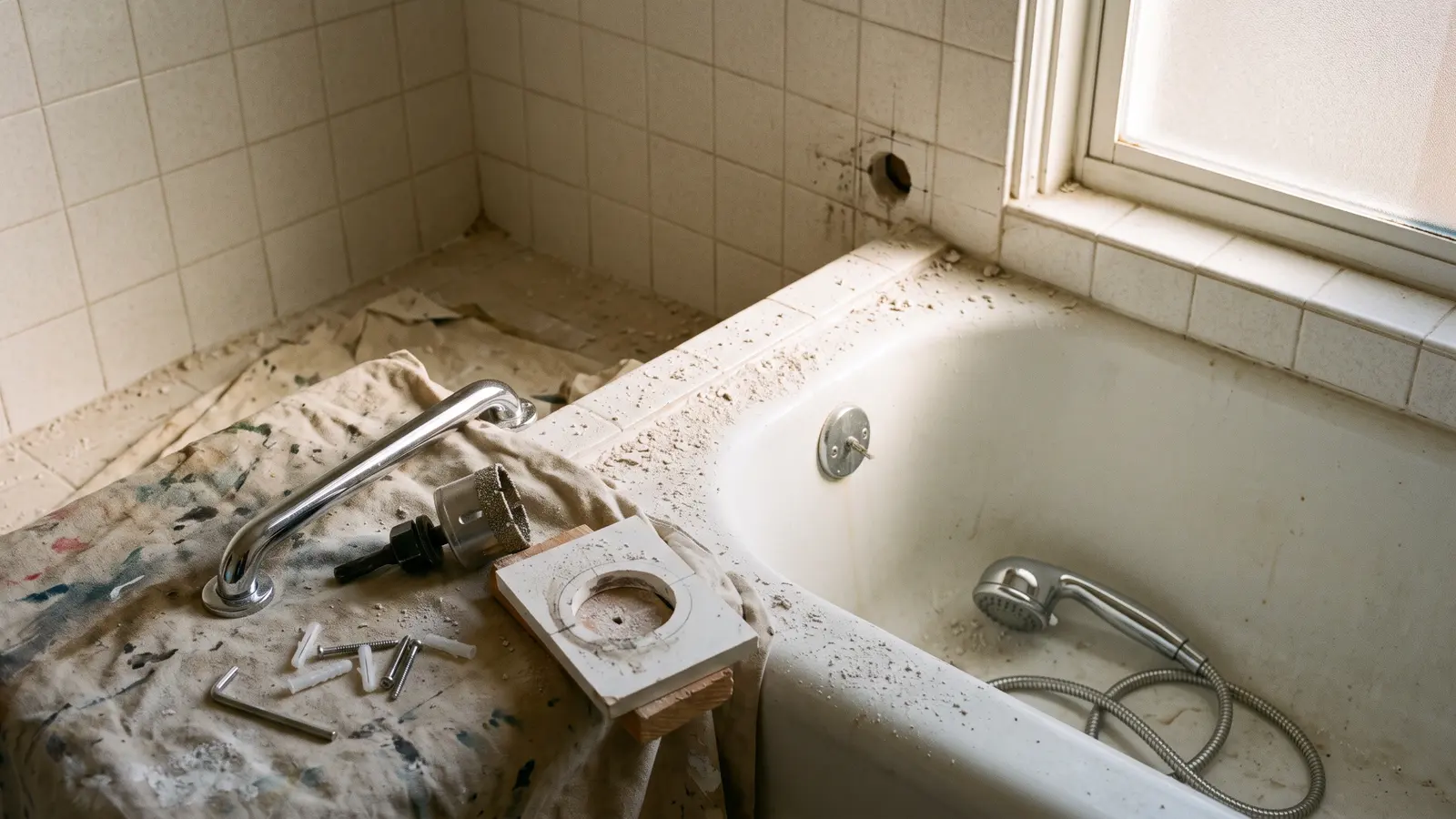
Richard and Nathan install grab bars and a hand shower for Margaret, who wants to stay in her 1890 house. Tom and Nathan replace rotten wooden gutters on Regina's 1882 home, sistering rafter tails, scribing a new gutter profile, and sealing with lead and boiled linseed oil.
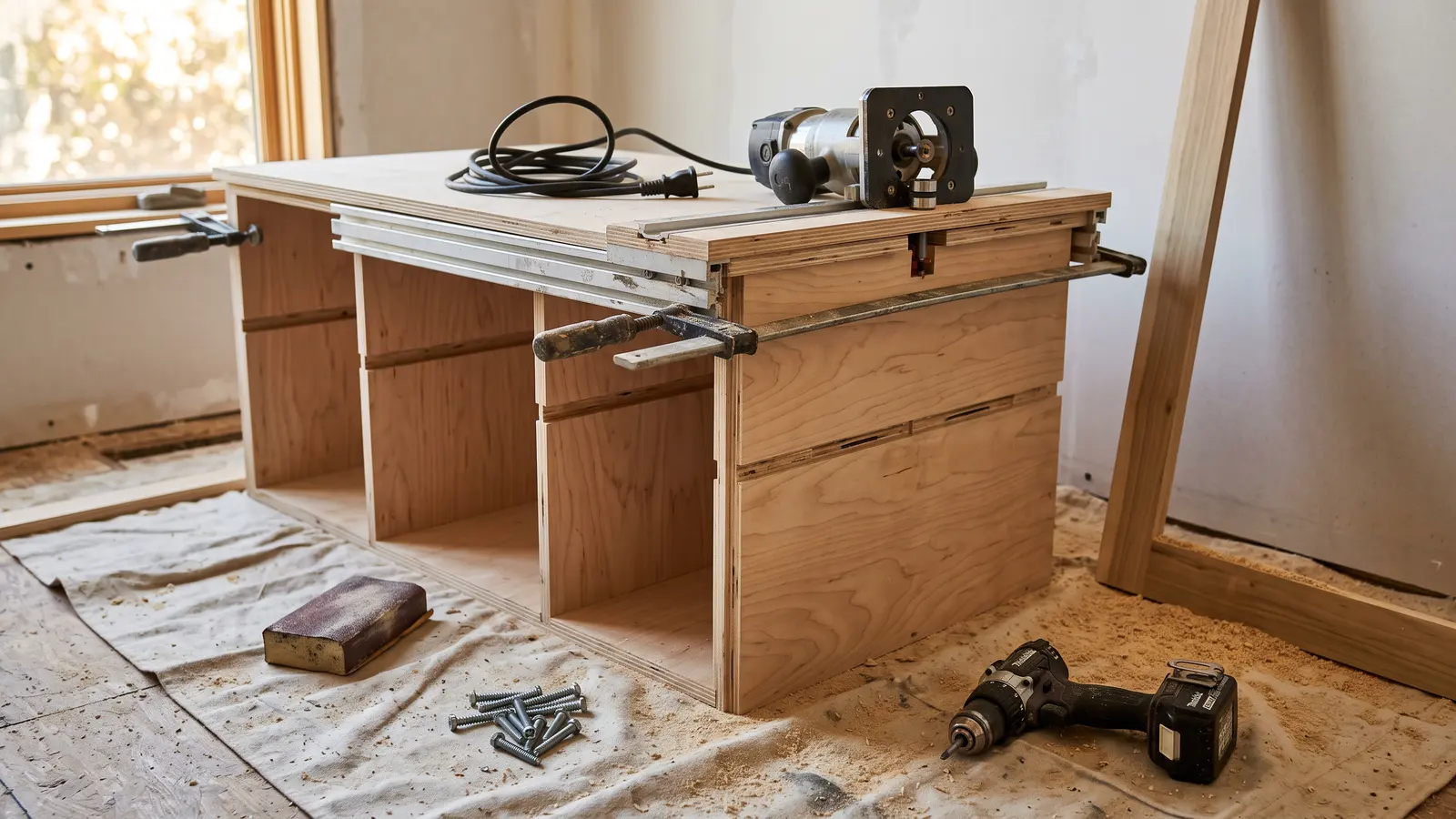
Tom Silva builds modular 3/4-inch plywood mudroom cubbies with cap screws and dadoed shelves, Mauro Henrique primes and sprays them Classic Burgundy, and Jenn Nawada explains mulch types and how to calculate cubic yards.
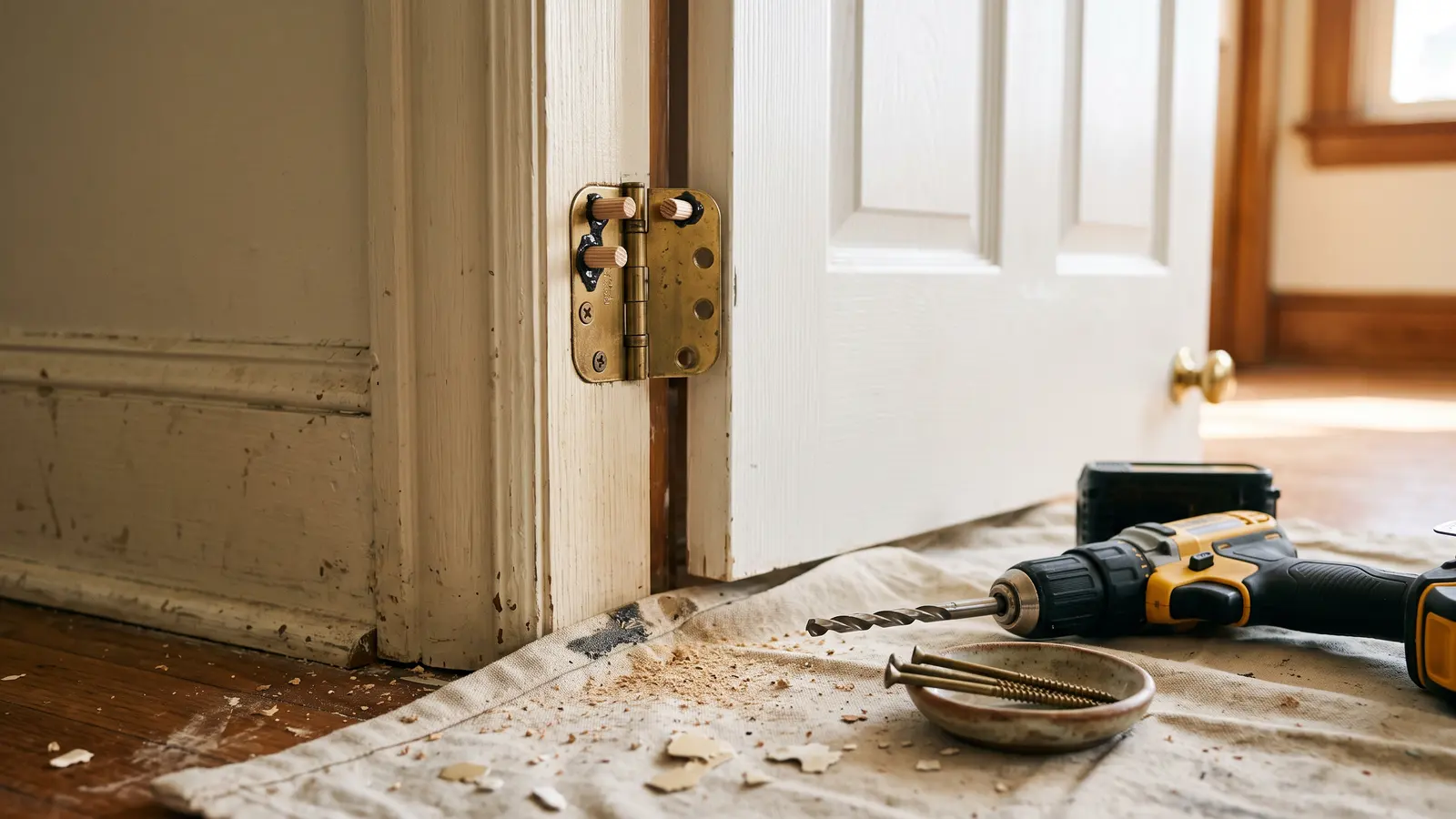
Lee Gilliam helps Kristen add a dedicated drip zone for container plantings in Austin, licensed irrigator Aaron ties into the mainline, Richard Trethewey weighs PEX against copper, and Nathan Gilbert repairs a door hinge with dowels, epoxy, and longer slotted screws.
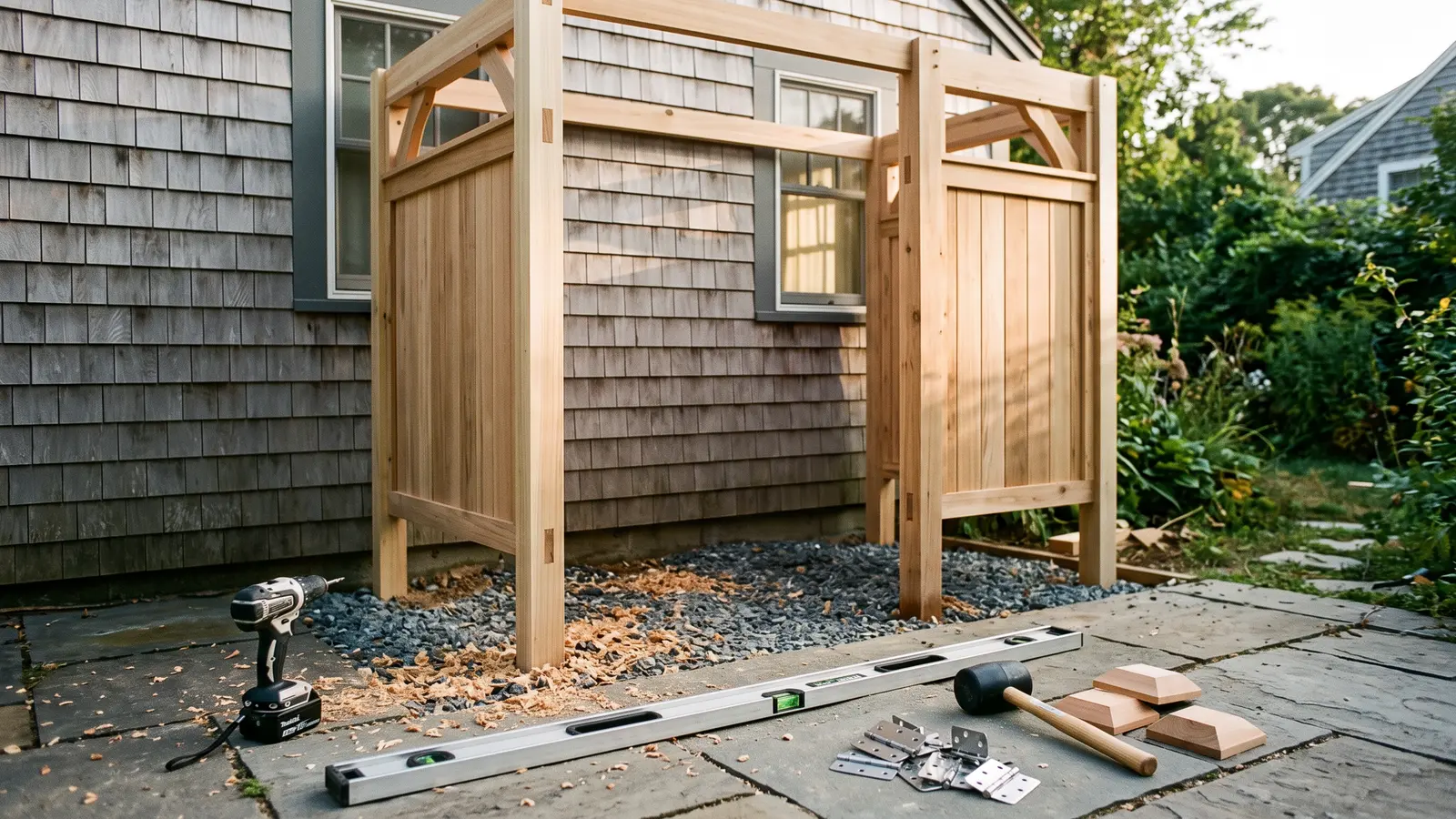
Jenn Nawada and Mark McCullough lay out a Cape Cod outdoor shower between two windows, Mark runs a pitched drain line away from the foundation, Nathan Gilbert assembles a white-cedar kit, and Richard Trethewey taps hot water through a frost-proof hydrant. The cedar and bluestone are what you see. The grade, gravel, and pitch decide whether the house stays dry.