
Plumbing Episodes
21 episodes tagged with "Plumbing"
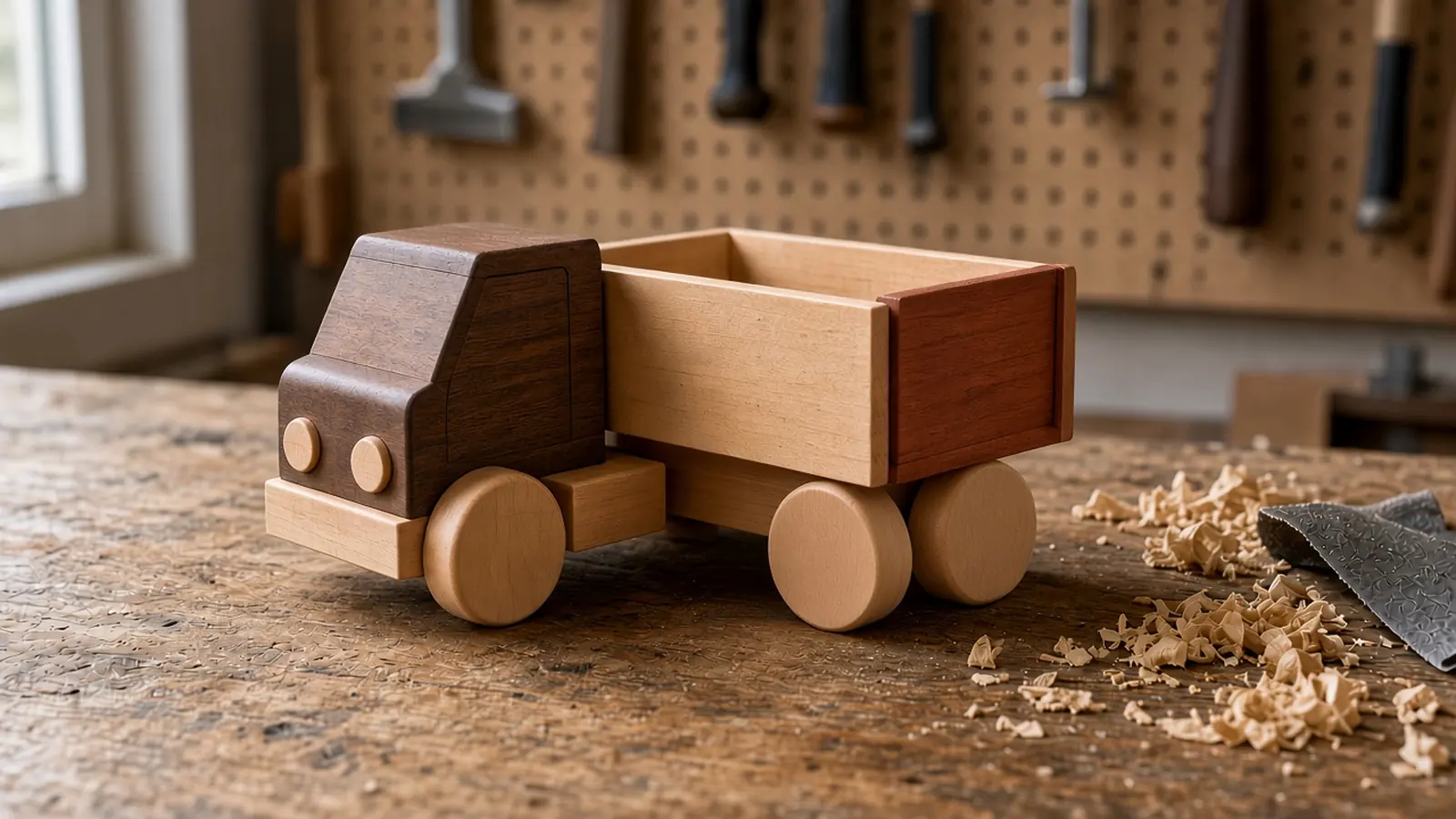
Tom Silva builds a maple and walnut toy dump truck with a Chicago woodworker he helped 10 years ago, and Richard Trethewey adds a pot filler beside a stove.
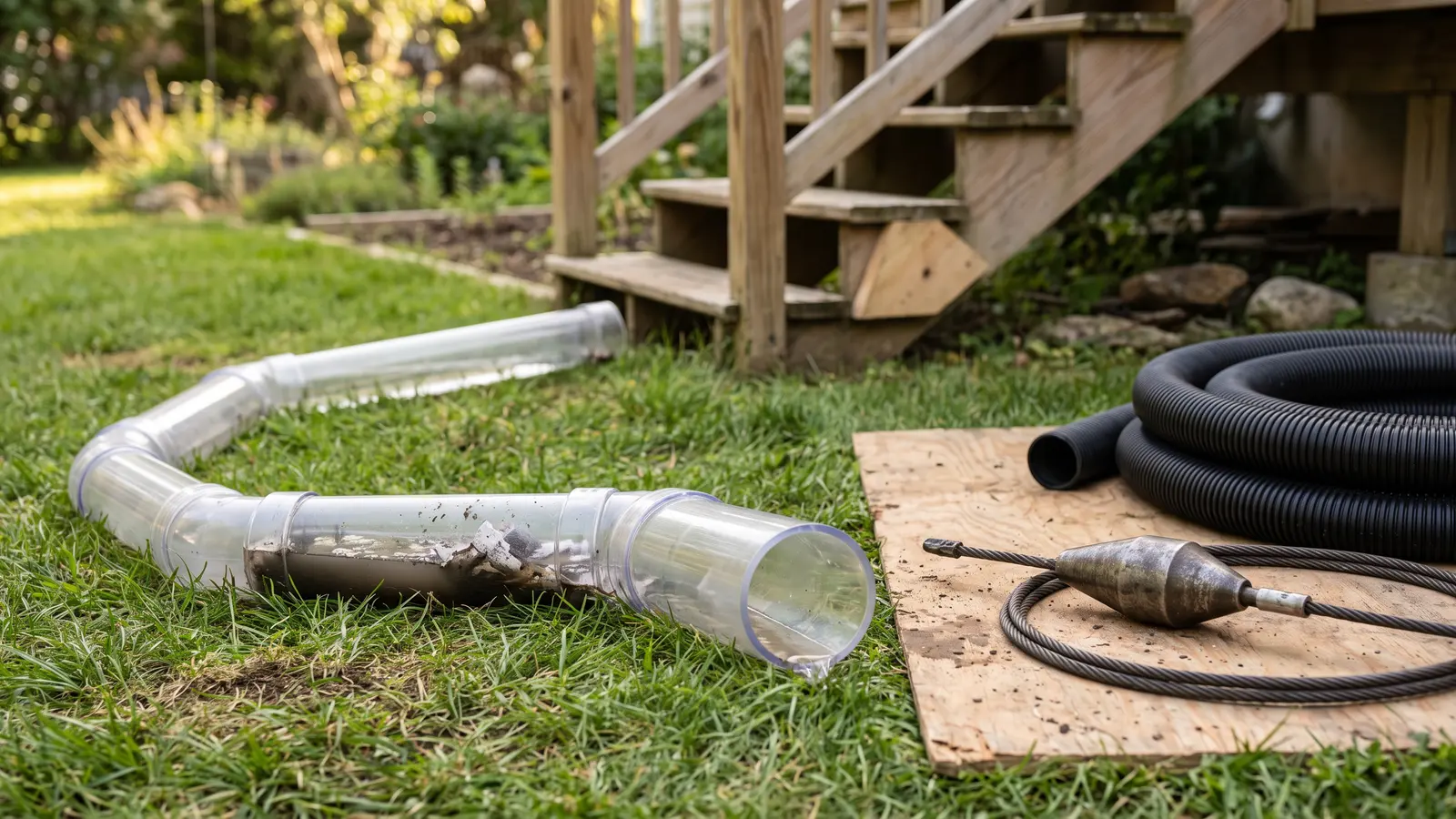
Essex County Colonial: Bigger Isn't Better. A sewer model shows why four-inch pipe beats the old six-inch clay, the stair is blocked tight, and the pocket doors leave the floor.
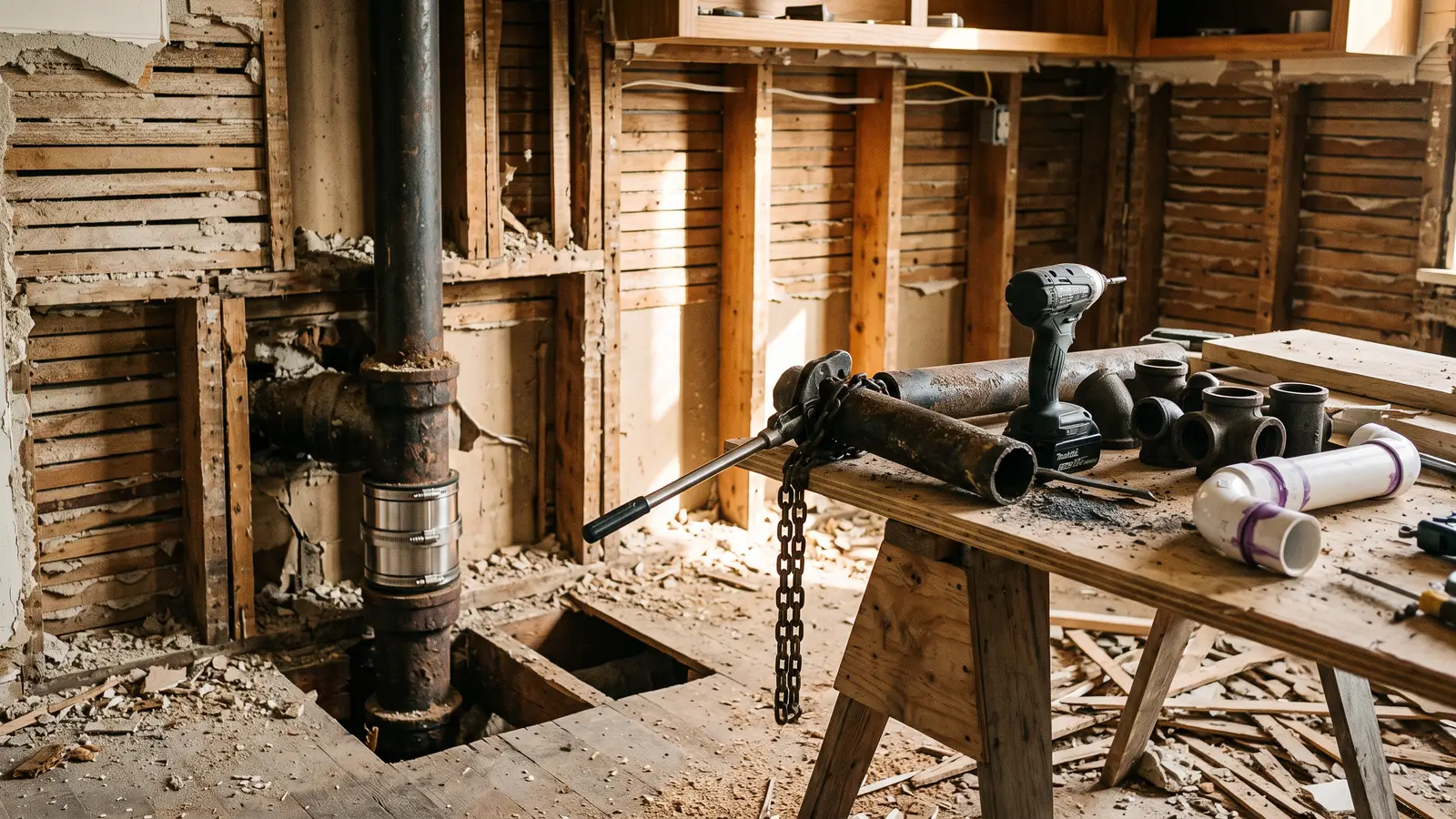
Essex County Colonial: Making Connections. A steel plate guards the wall-hung toilet tank, cast iron quiets the kitchen drain, and kickout flashing covers a low-pitched roof.
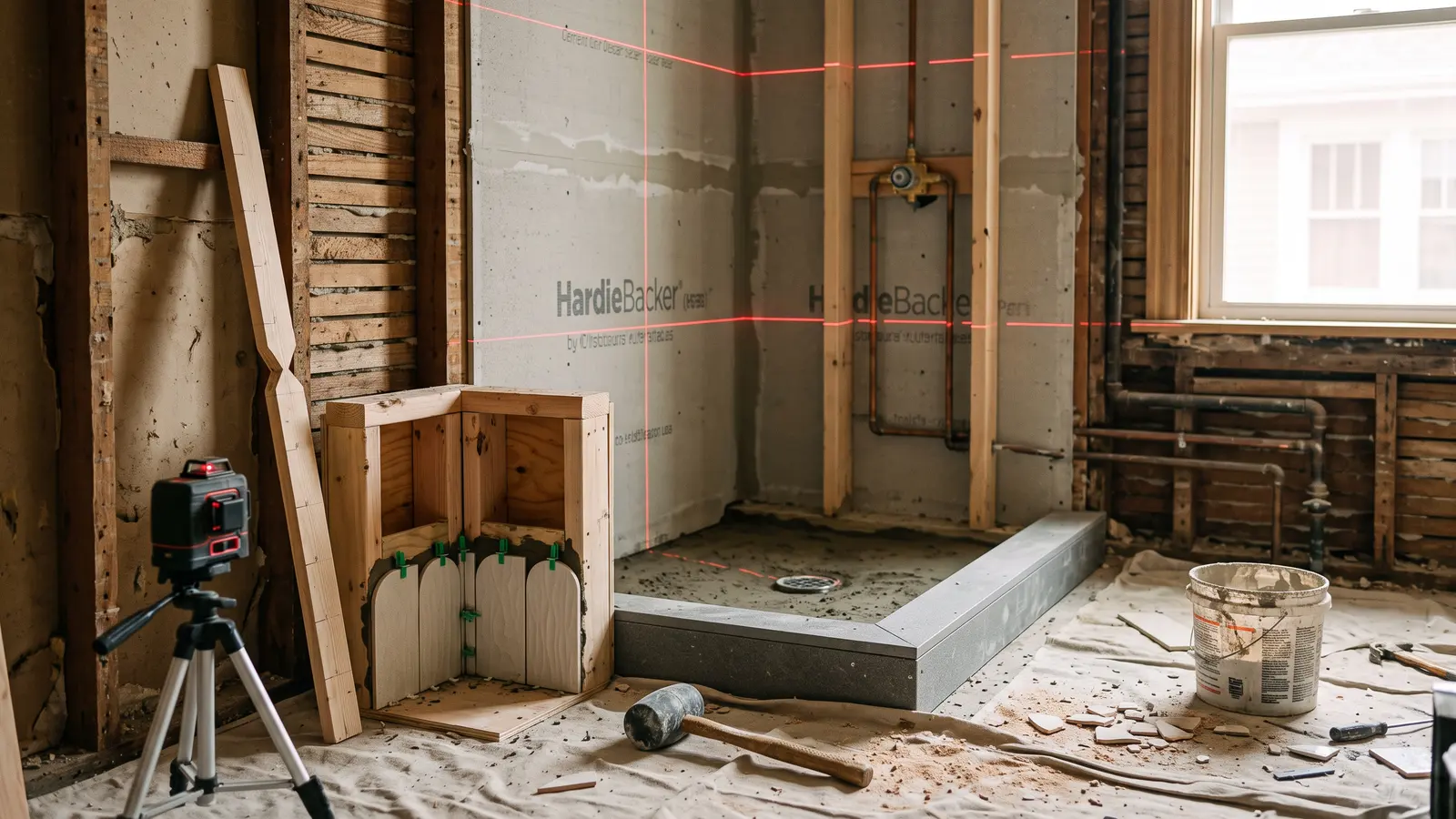
Essex County Colonial: Knock on Wood. A story pole lays out the bathroom tile before any tile goes up, a basement beam is cut and cracked, and the toilet tank moves into the wall.
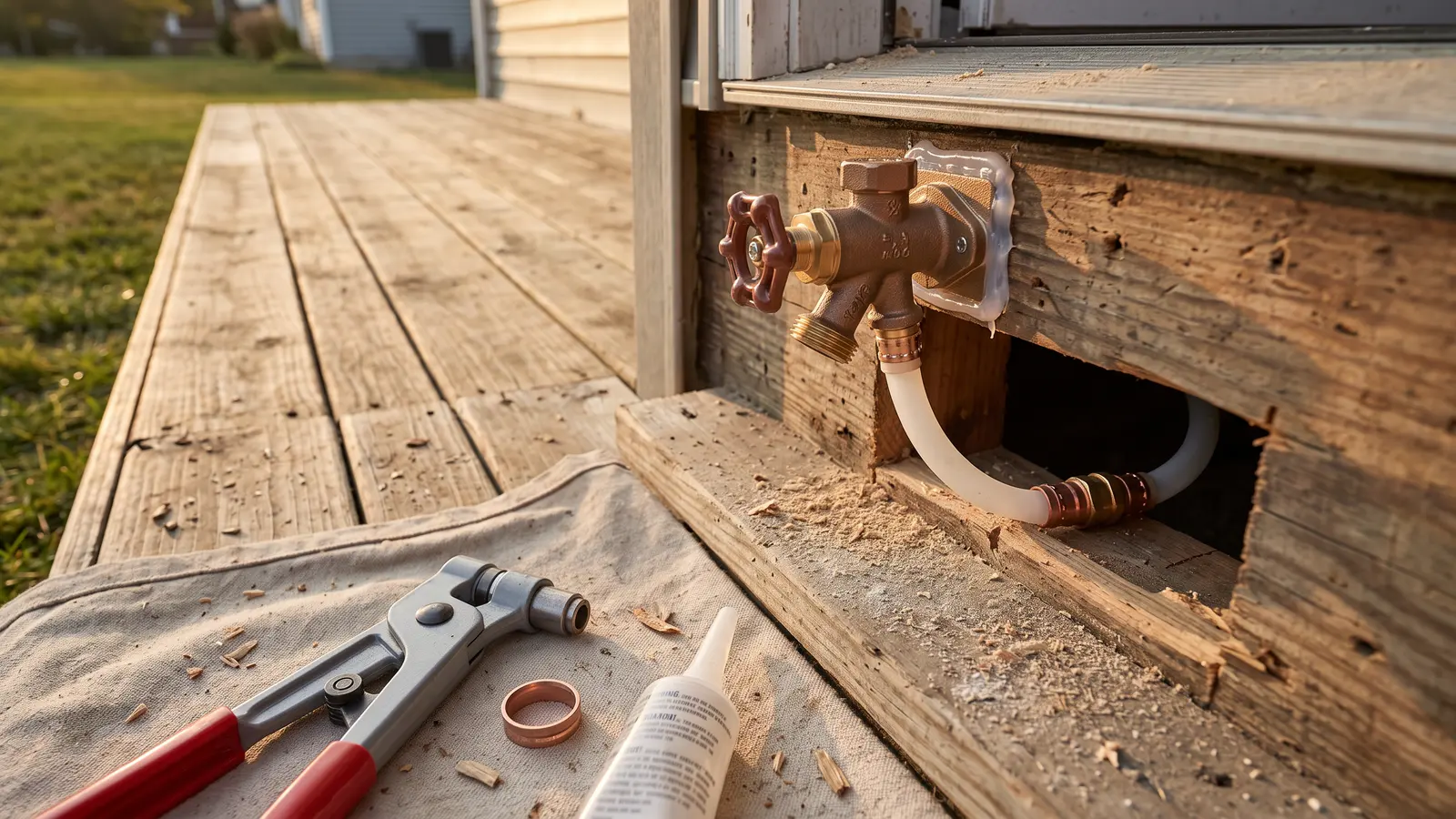
Richard Trethewey adds a backyard hose spigot with a frost-proof sillcock and PEX-A, Jenn Nawada takes cover crops from a 500-acre farm down to raised beds, and the cutaway reel makes the case for sawing things open.
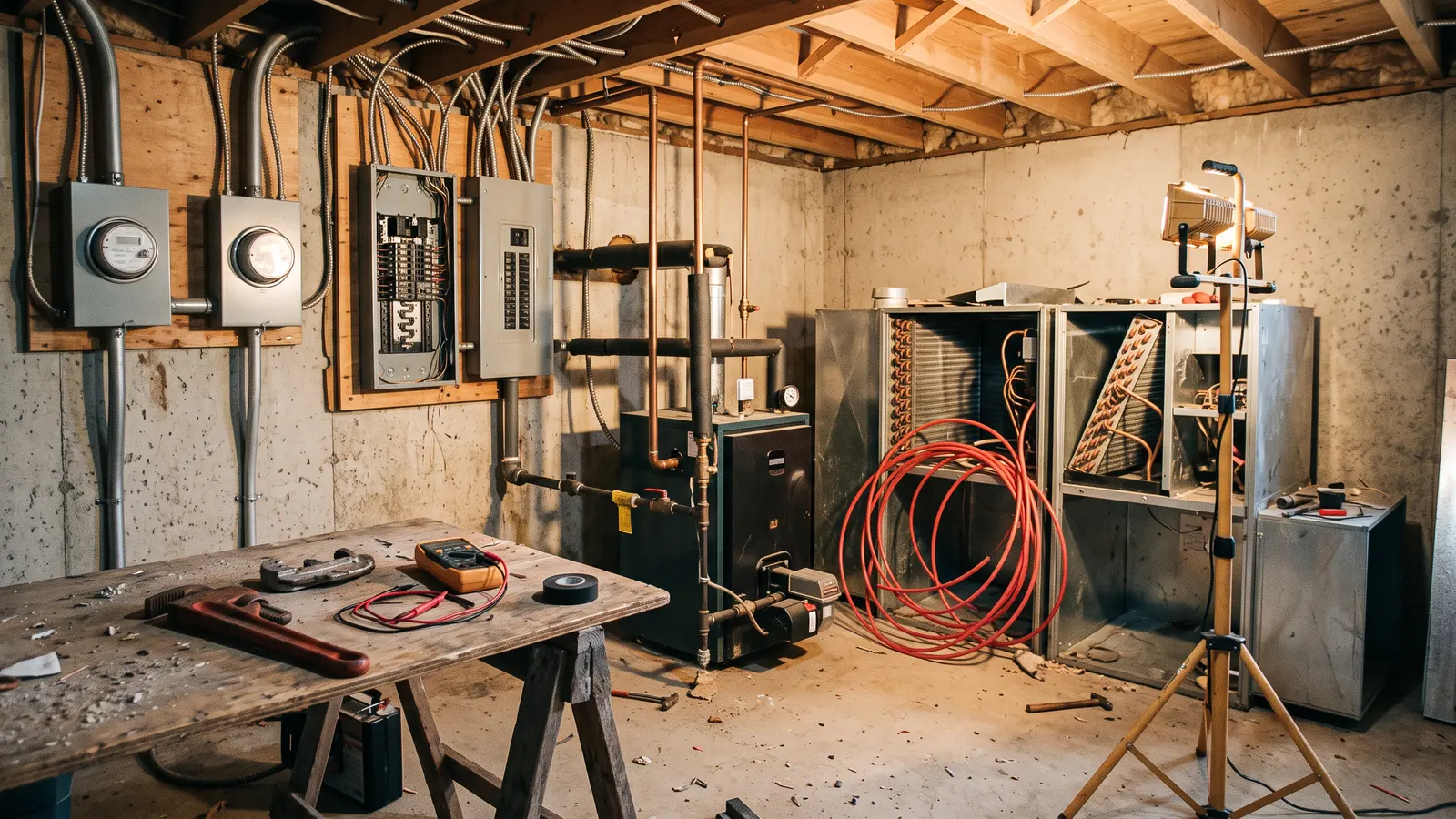
Season 47 closes in Walpole with a double move-in: Dan and Jill take the renovated ranch, Jill's parents Ed and Regina take the ADU. Richard Trethewey walks the shared-utility math, Tom Silva asks Walpole's first ADU builders the hard planning questions, and Kevin O'Connor tours Dan's C-130 at Quonset.
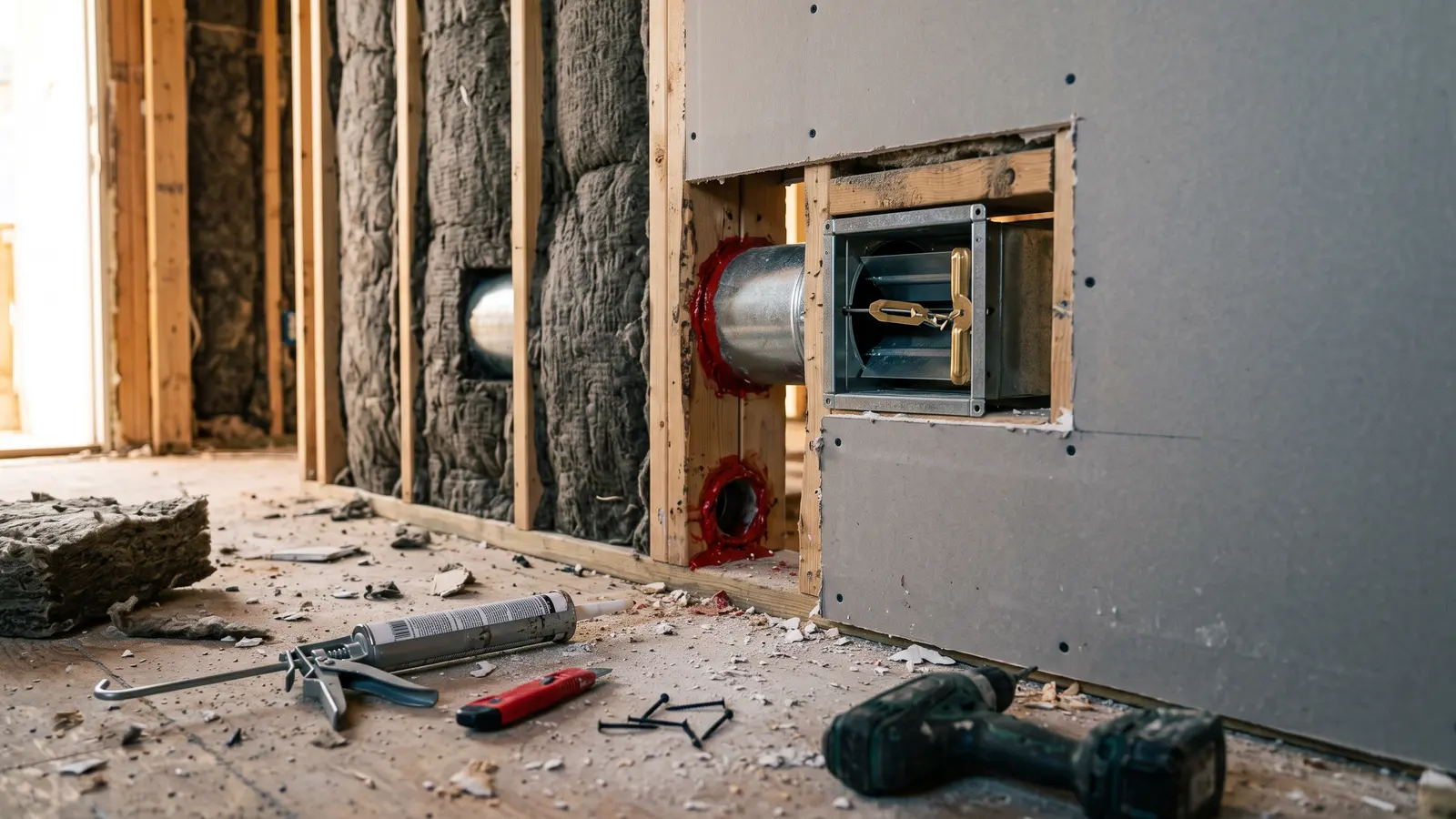
In Walpole, a two-unit ranch gets a code-rated firewall, a shared hydro-air HVAC system, whole-house water filtration, and a cold-joint injection that makes old-meets-new basement walls honest. Then Kevin and Tom tour a finished attic ADU in Dorchester—proof that 700 square feet can feel like a yacht.
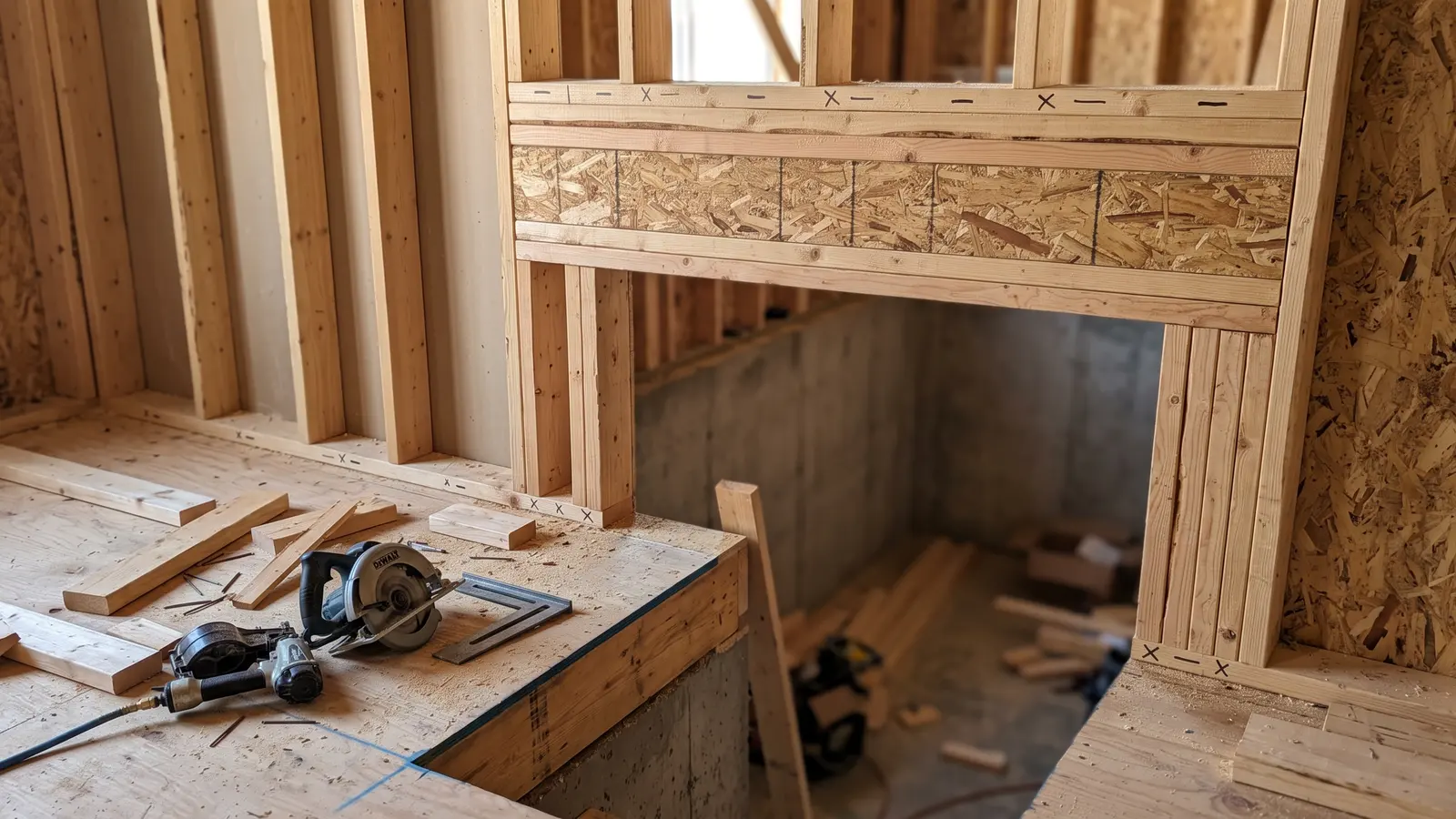
In Walpole, Kevin and GC Kevin open the old ranch wall while Tom Silva ties a 2x4 interior wall into a 2x6 exterior wall and Richard Trethewey watches plumber Bob lay out shared ADU drains with landscape flags. Sean Brennan buries a new 400-amp service for two meters, then Kevin tours Atlanta ADUs built in garages, new construction, and a Decatur loft.
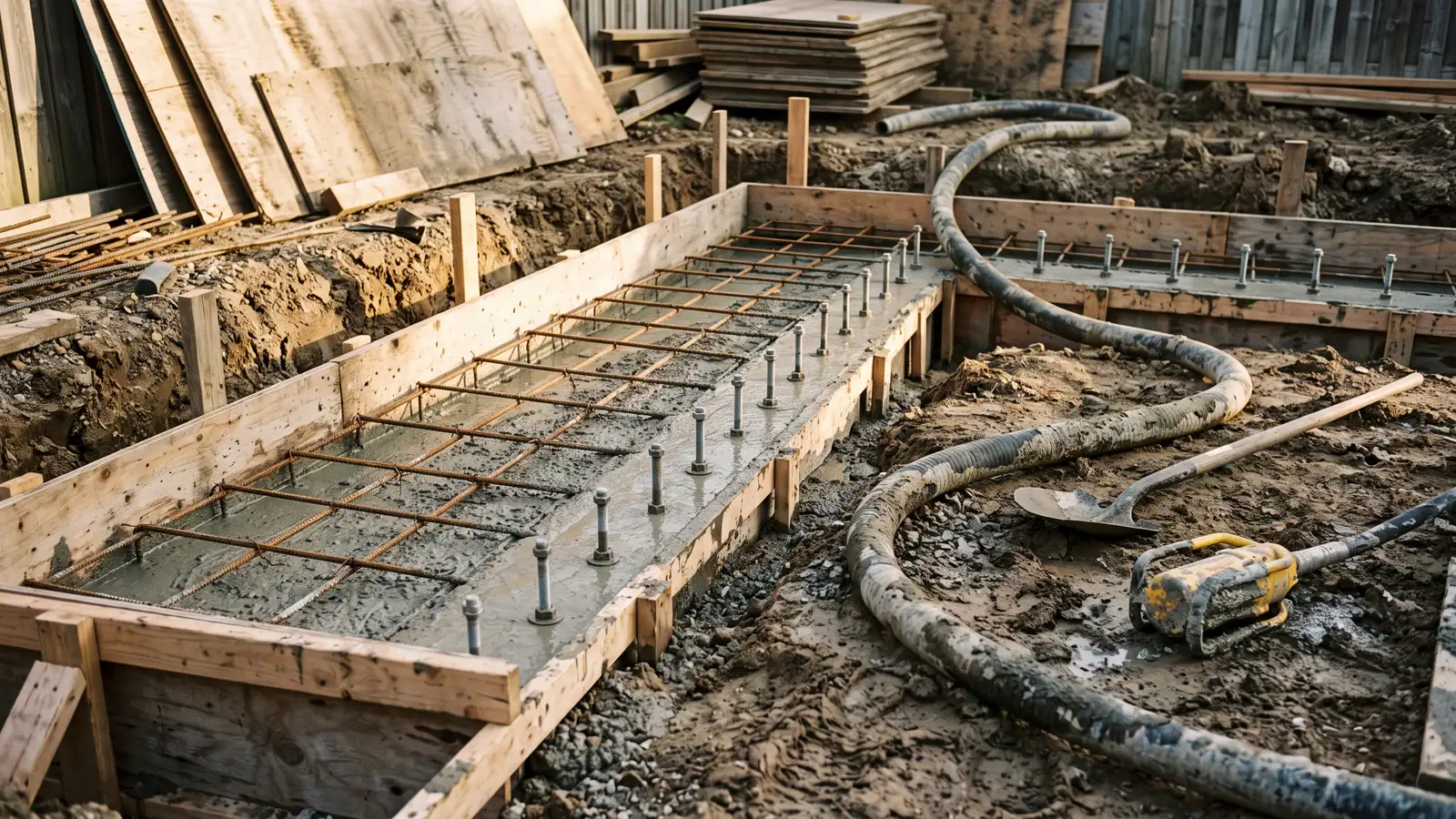
Dan and Jill's 1971 Walpole ranch kicks off Season 47's final project with a 900-square-foot ADU for Jill's parents. Tom Silva catches a garage foundation that came up ten inches short of local frost depth, Richard Trethewey stares down an oil boiler that has to serve two households, and Jenn Nawada plans a yard built for kids, grandparents, and one shared fire pit.
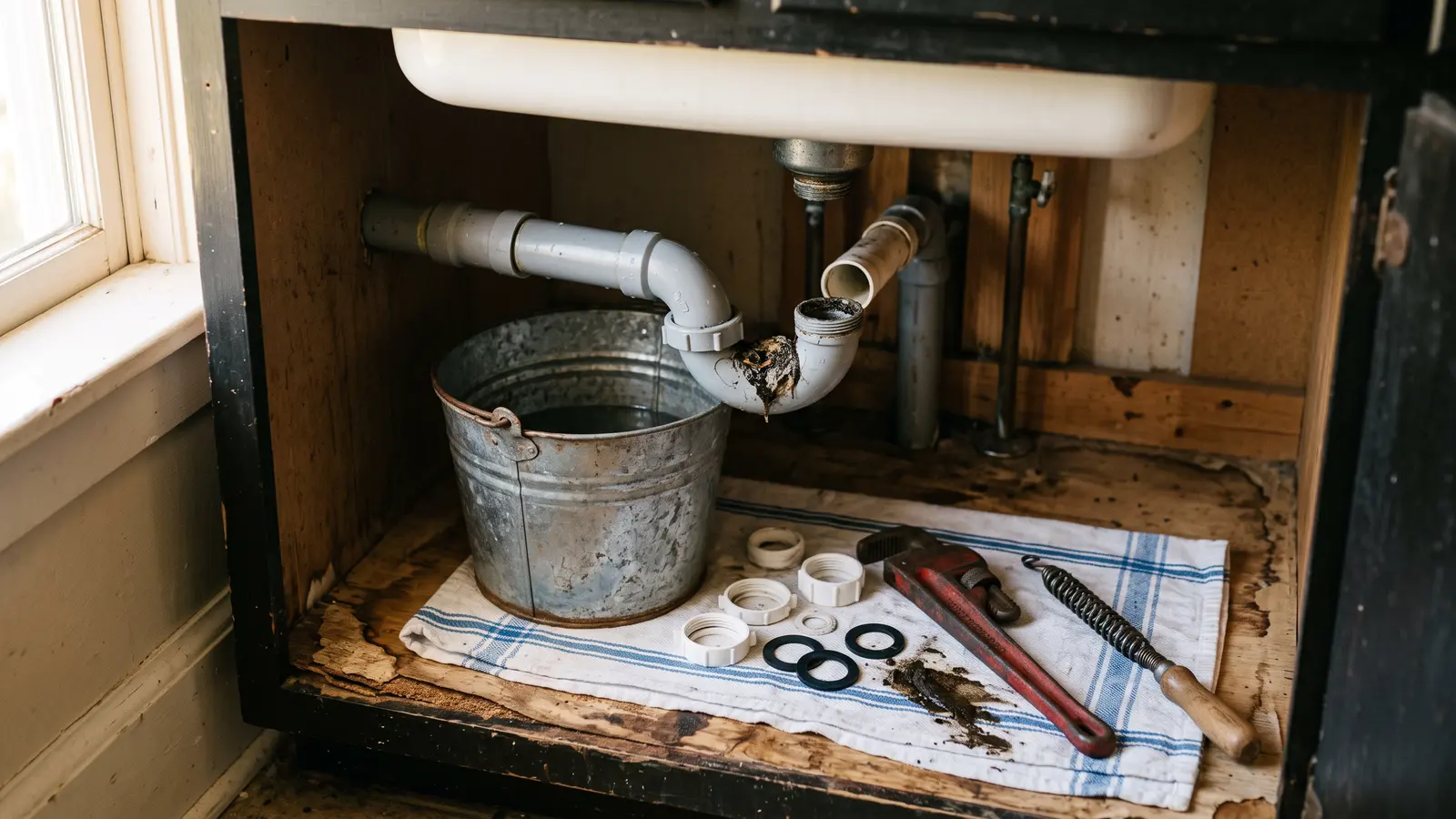
Richard Trethewey separates grease and hair clogs from chemical drain cleaners, Mauro Henrique compares at-home lead swabs with an XRF analyzer, and Mark McCullough sets granite treads into a New Hampshire slope so Pete can reach his fire pit without another tumble.
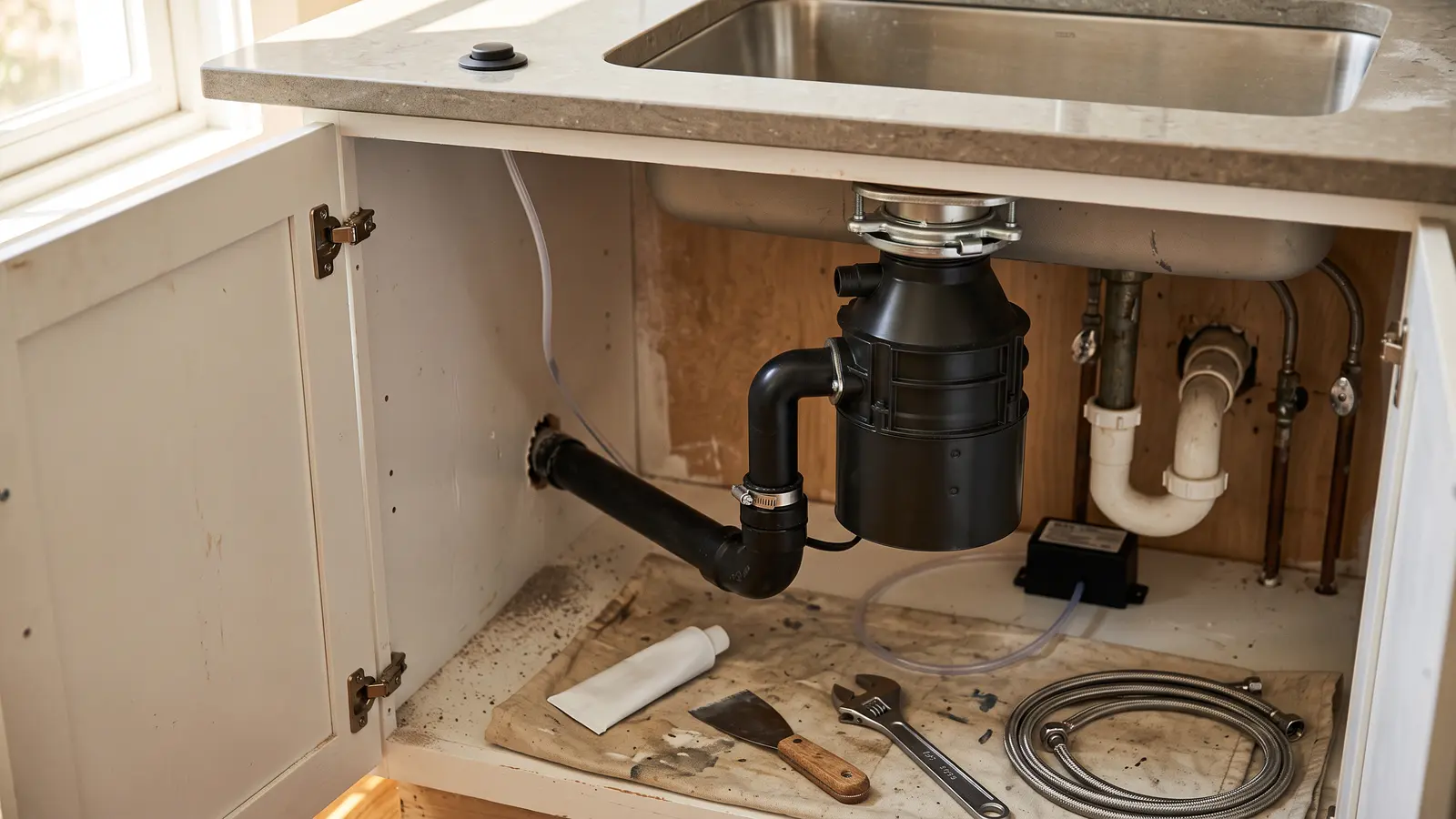
Tom Silva breaks down caulk types from latex to butyl, Richard Trethewey installs a garbage disposal with an air switch (and drills through granite), and Kevin O'Connor helps the young hosts of Toys and Colors build a dress-up closet with pocket screws and a miter saw.
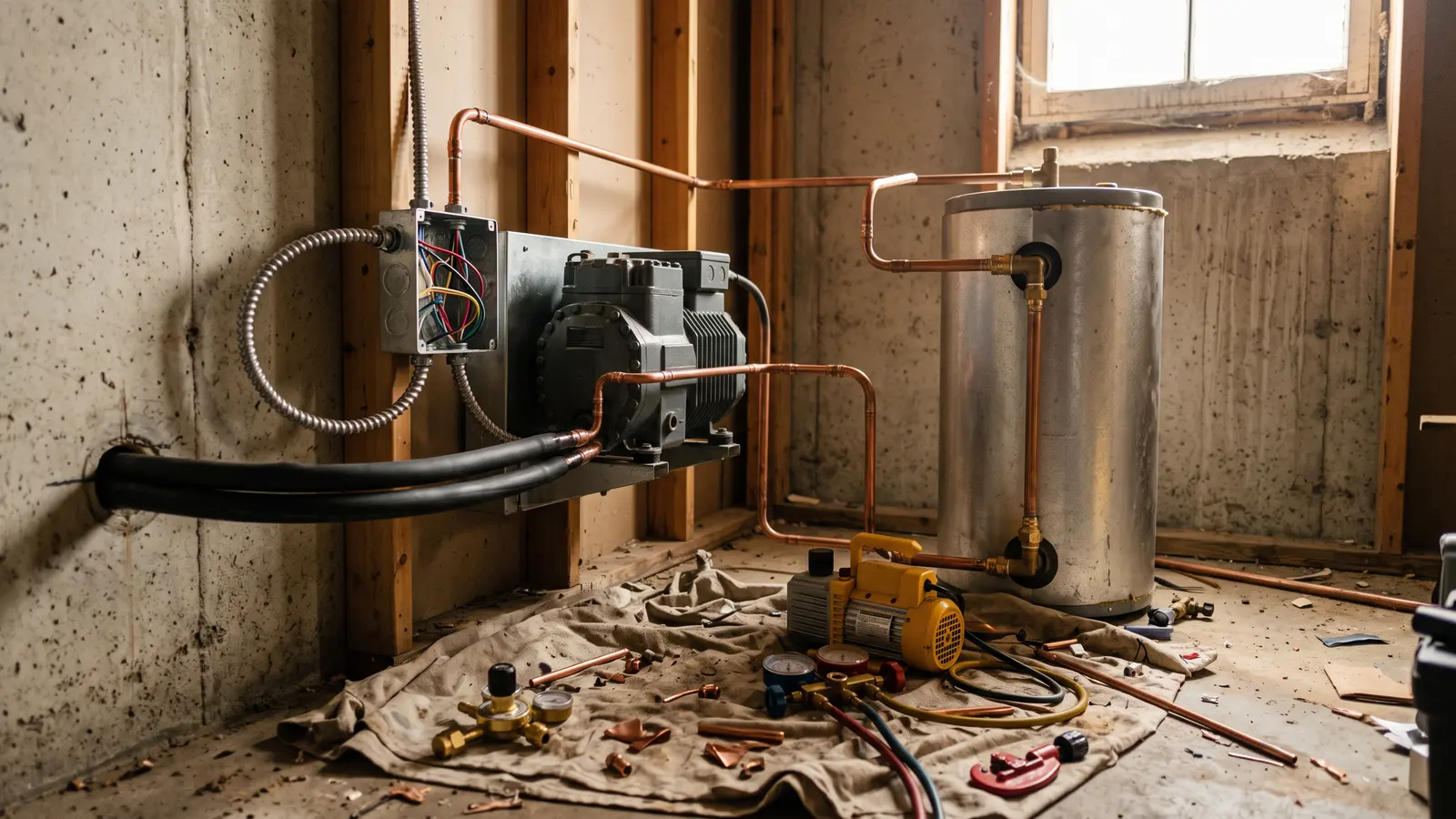
Ross Trethewey installs a split heat pump water heater that puts the evaporator outside, making it a cold-climate winner. Jenn Nawada prescribes treatments for mealybugs, spider mites, and fungus gnats. Nathan Gilbert gives a Massachusetts homeowner safe attic access with a new pull-down ladder. Plus: why a frosty panel is actually a good sign.
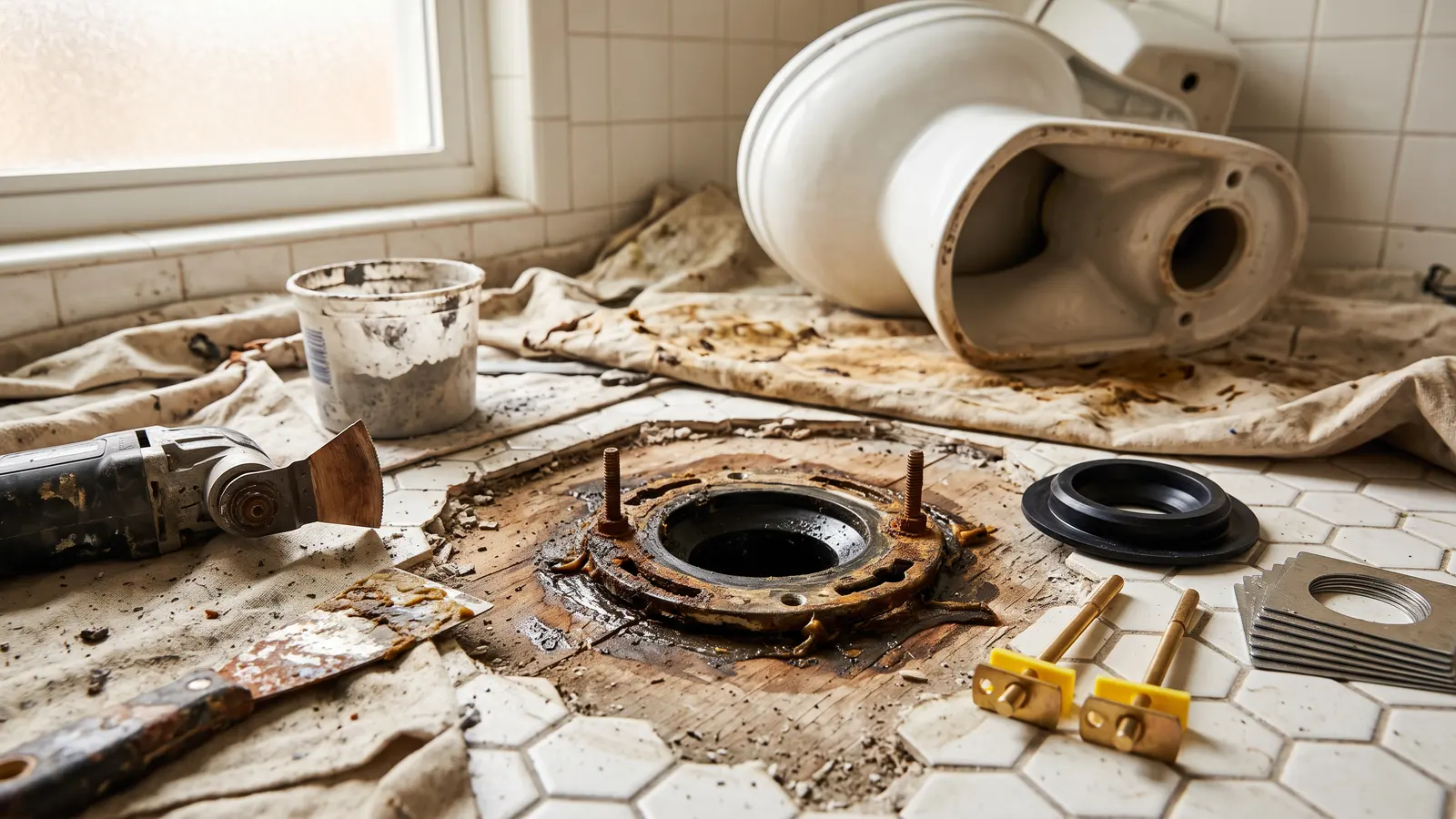
Richard Trethewey shows a no-wax flange kit with a rubber seal and longer bolts that handles a raised tile floor. Lee Gilliam walks Kevin through fuel, air, and spark on a gas mower, including ethanol separation and a genuinely filthy carburetor bowl. Nathan Gilbert turns a Cape's bar closet into a double-door speakeasy hidden behind a bookcase.
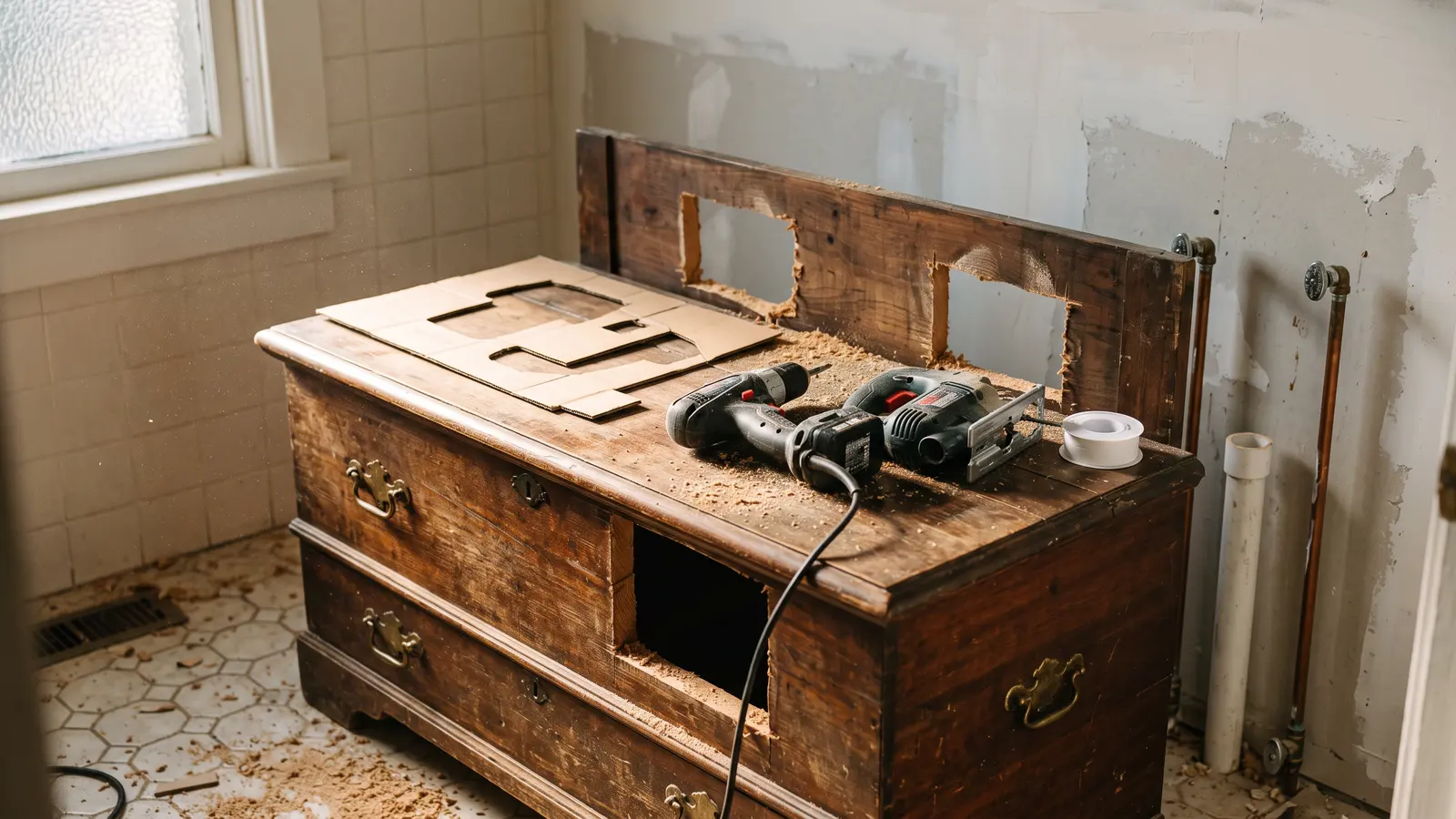
A carpentry teacher's students are building actual houses for storm victims, new electrical codes demand bigger meters, and Tom Silva helps turn an antique chest into a bathroom vanity — and somehow makes it look easy.
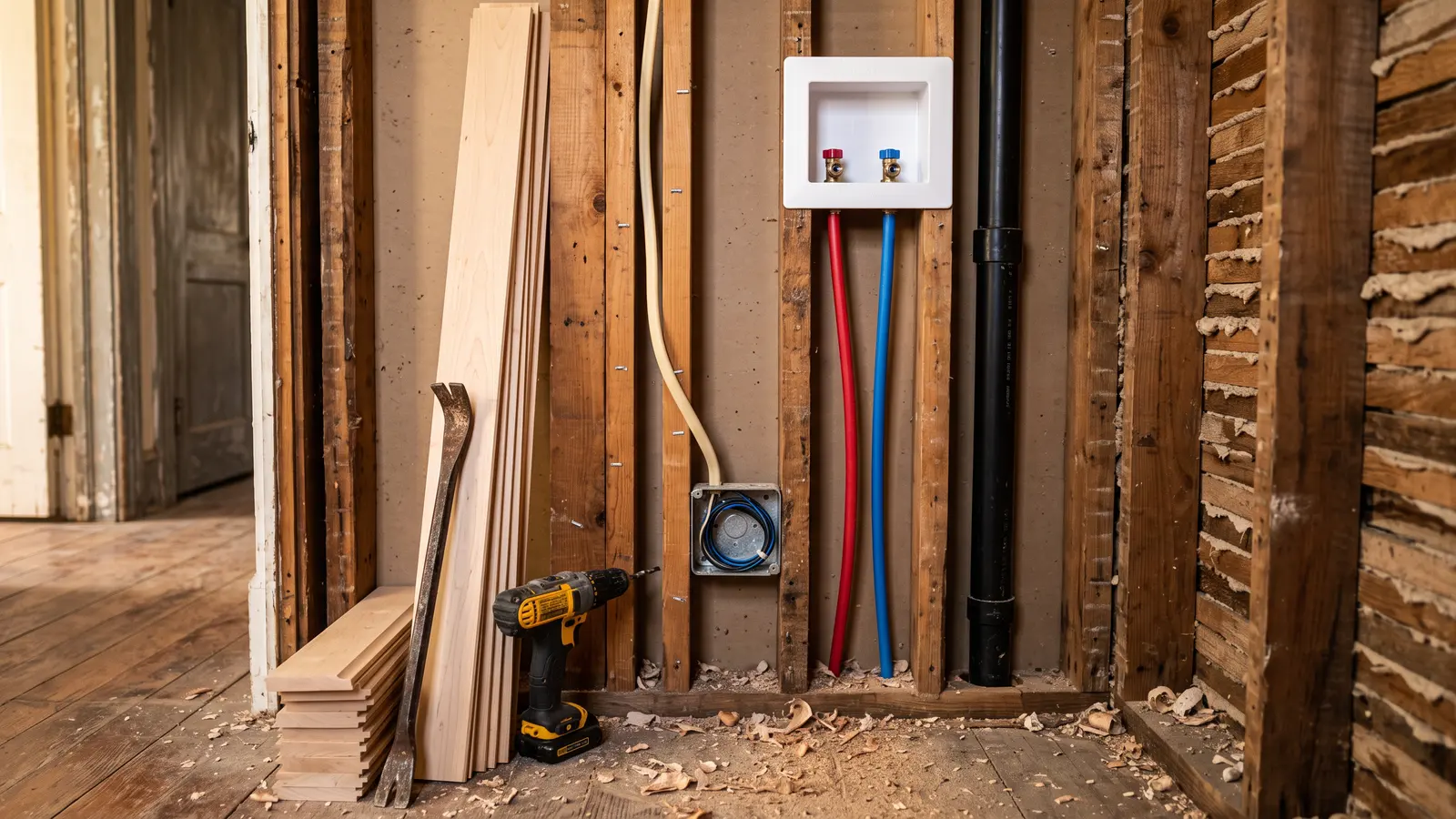
Kevin O'Connor gets a decibel demo from an audiologist: a miter saw over 100 dB, a drill around 85, and hammer strikes peaking above 120. Then Richard Trethewey, Heath Eastman, and Nathan Gilbert turn a bathroom closet into a first-floor laundry for Jim and Michele, with new 20-amp and 30-amp circuits, a 2-inch drain, a relocated thermostat, and a hallway door. The part TV compresses: getting the vent, valve box, wiring, and framing to share one wet wall.
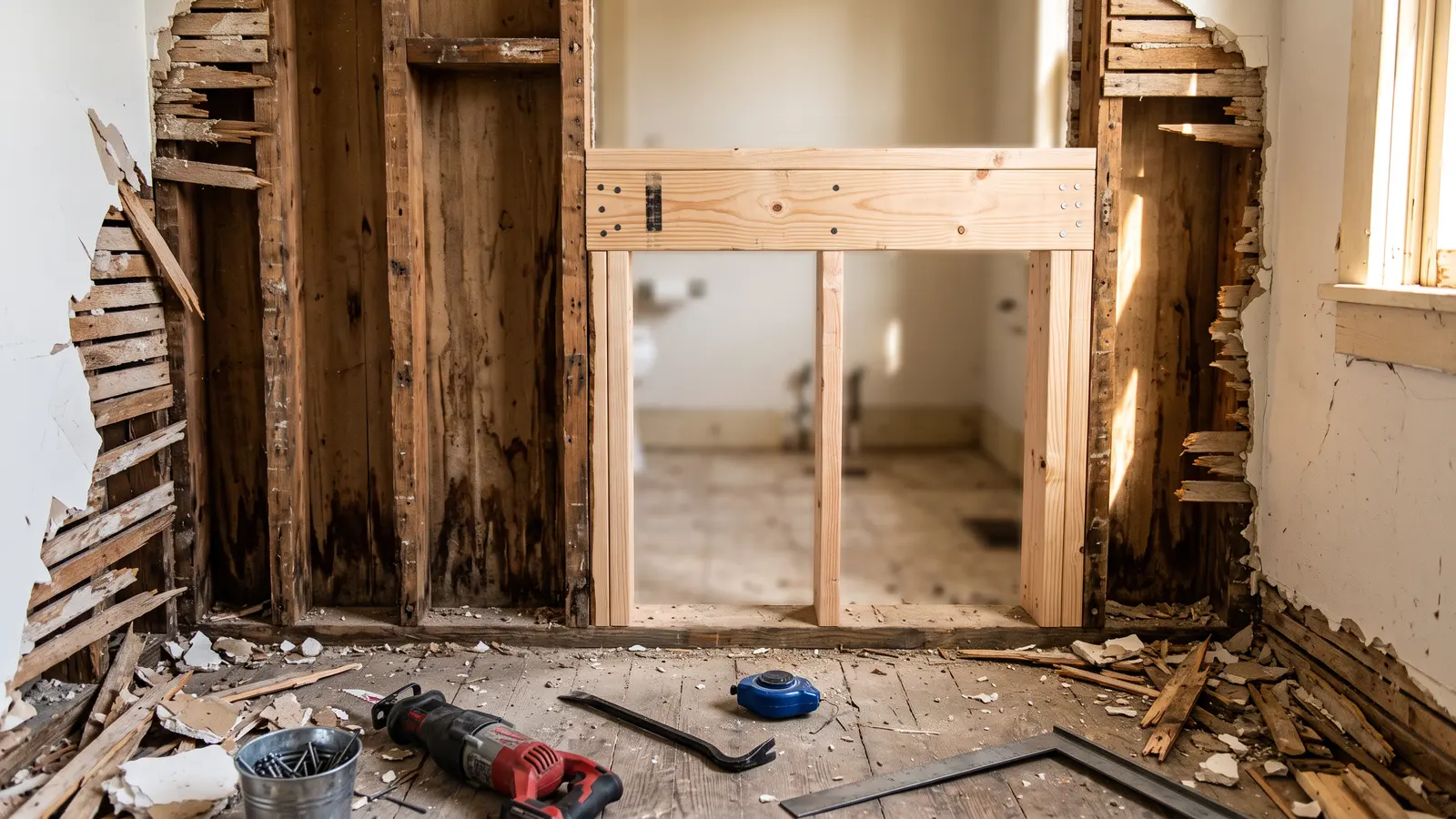
A meteorologist explains how the Blue Ridge Mountains turned Hurricane Helene into a rain machine, while the crew starts ripping out walls, replacing panels, and prepping for the long road ahead.
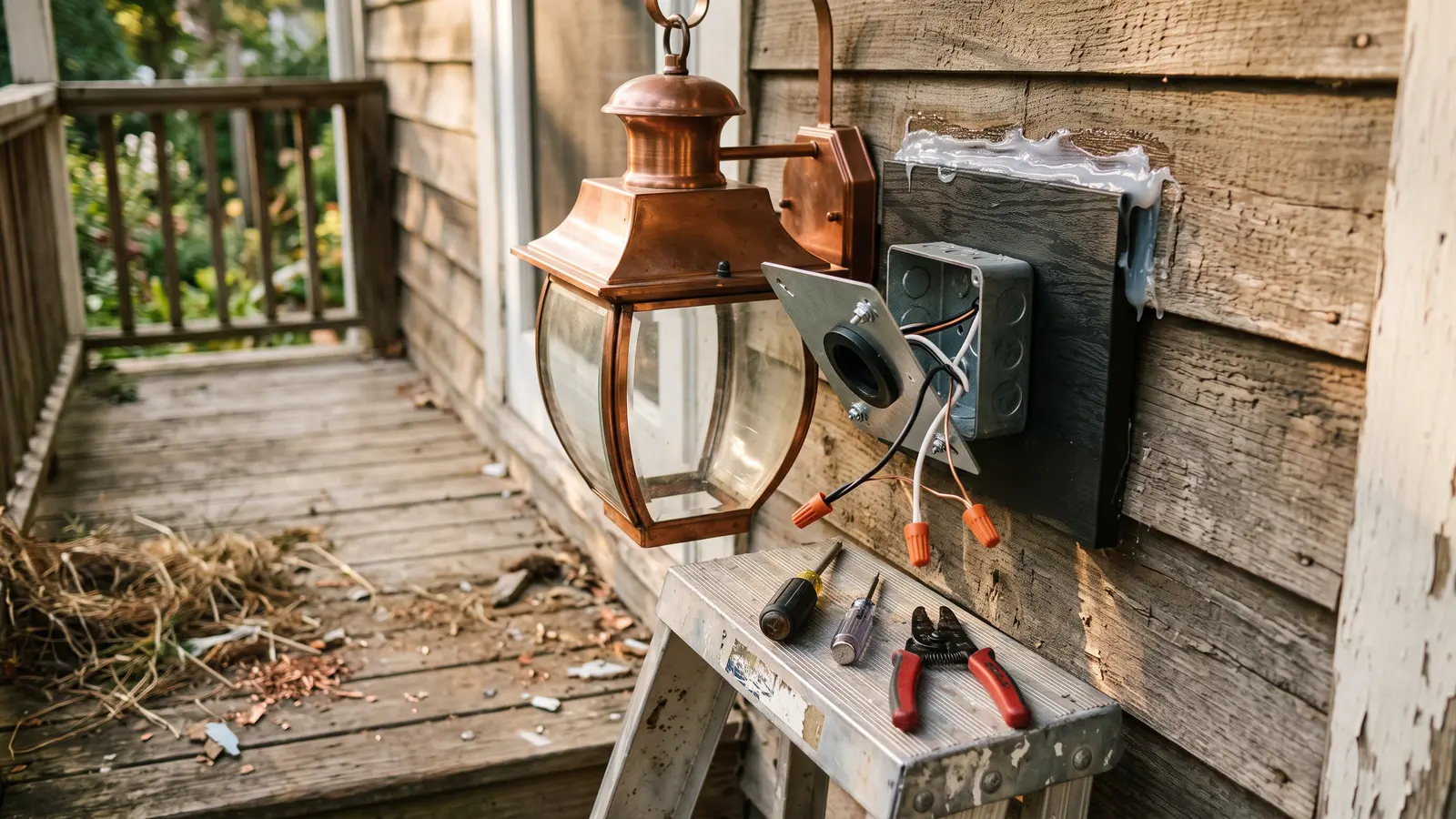
Heath Eastman tours a New Orleans copper lantern shop, then installs hand-riveted electric fixtures on a double shotgun with a local electrician. Richard Trethewey uses a cutaway to explain why a second flush is usually the wrong move, and Mauro Henrique preps, spot-primes, and DTM-paints a 15-year-old metal patio set.
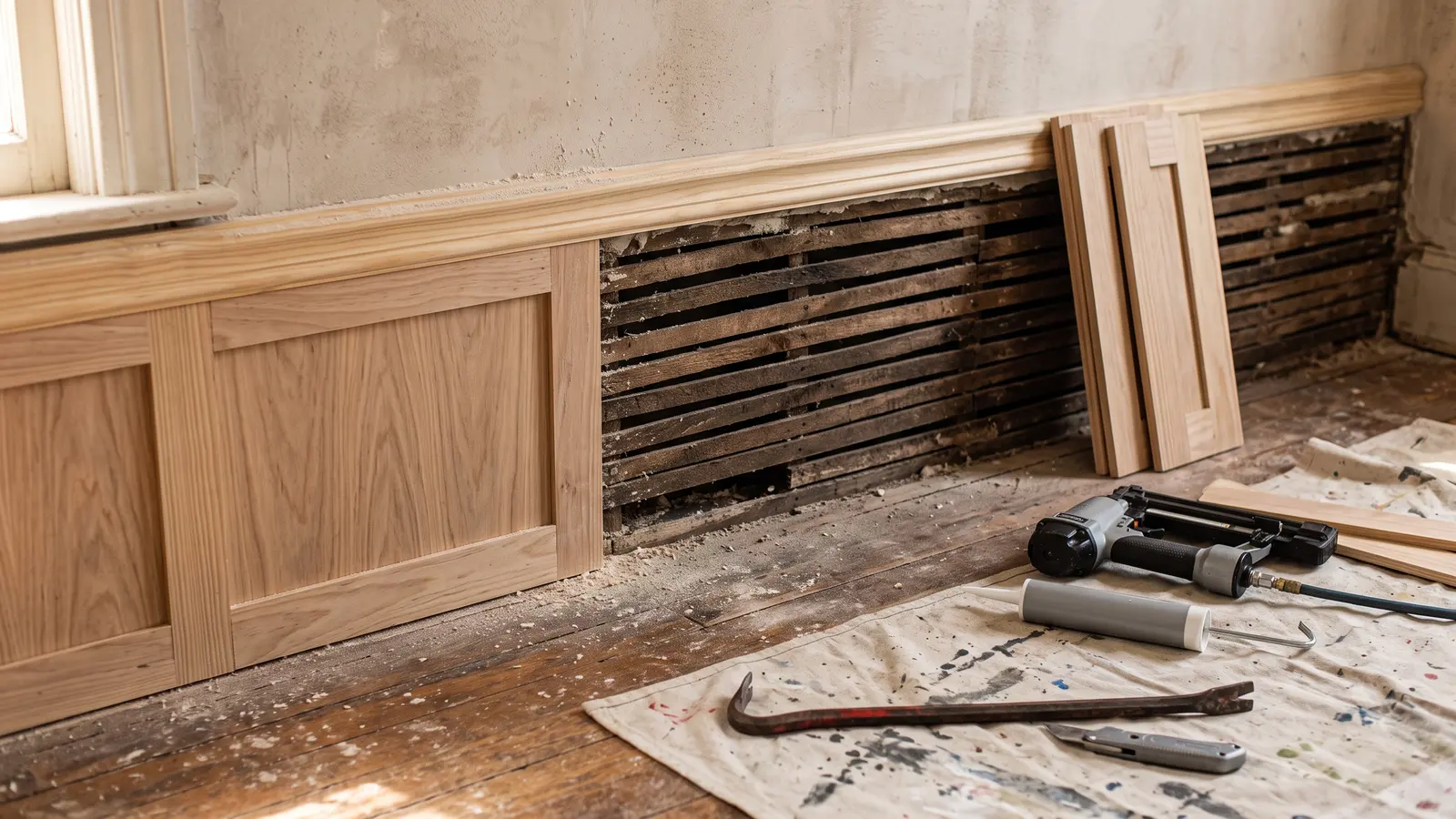
Richard Trethewey converts a smoky wood-burning fireplace to a sealed gas insert with a crew of licensed trades, Nathan Gilbert installs flat panel wainscoting in an old dining room, and Tom Silva stumps the table with a spring-loaded nail set.
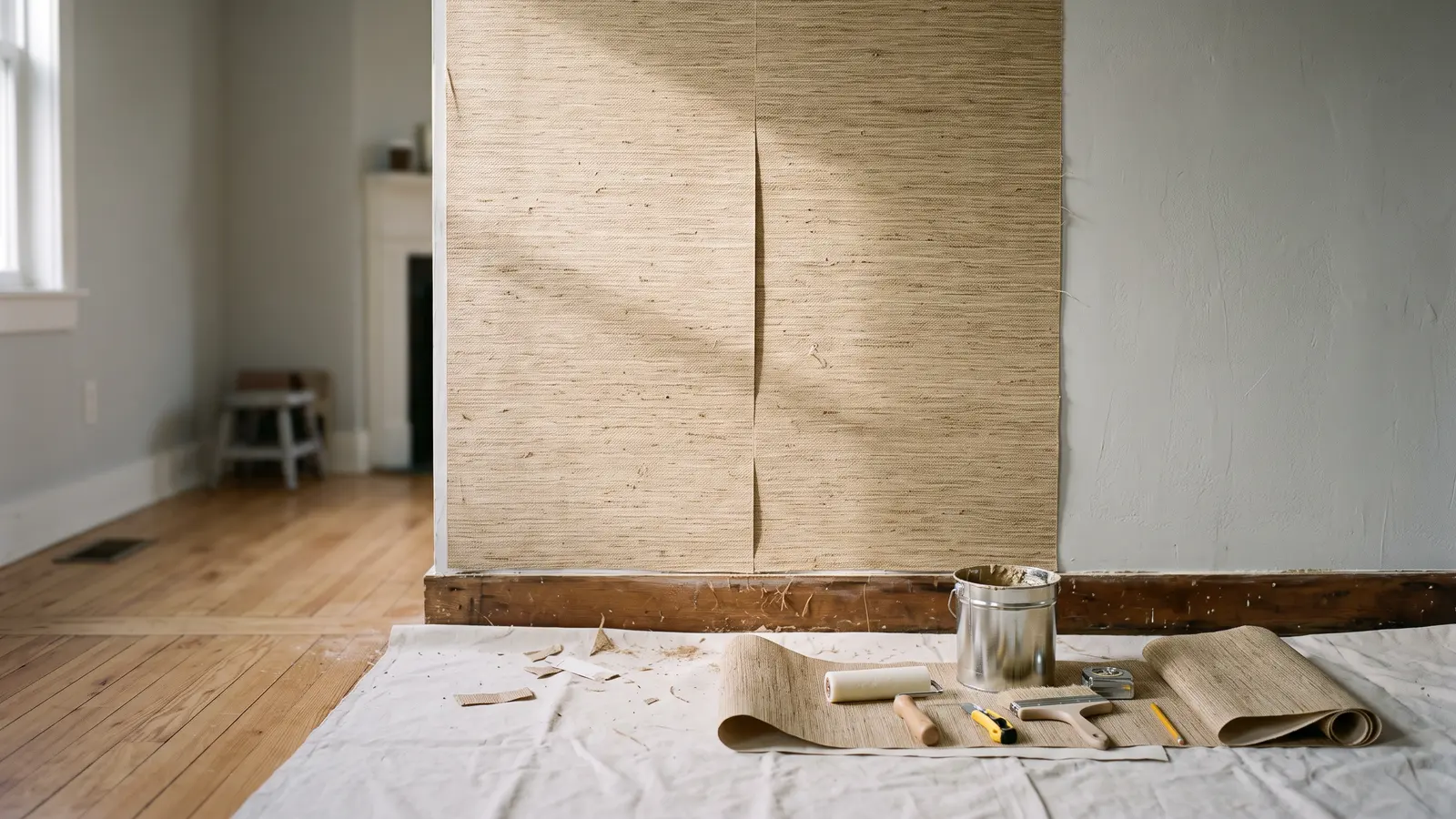
Carmen Gonzalez hangs grass cloth on a Miami accent wall, Lee Gilliam sorts pop-up, rotary, drip, and hose-end sprinklers, and Richard Trethewey cuts a submersible sump pump into a wet basement floor. Same question in all three: where do you want the water to go?
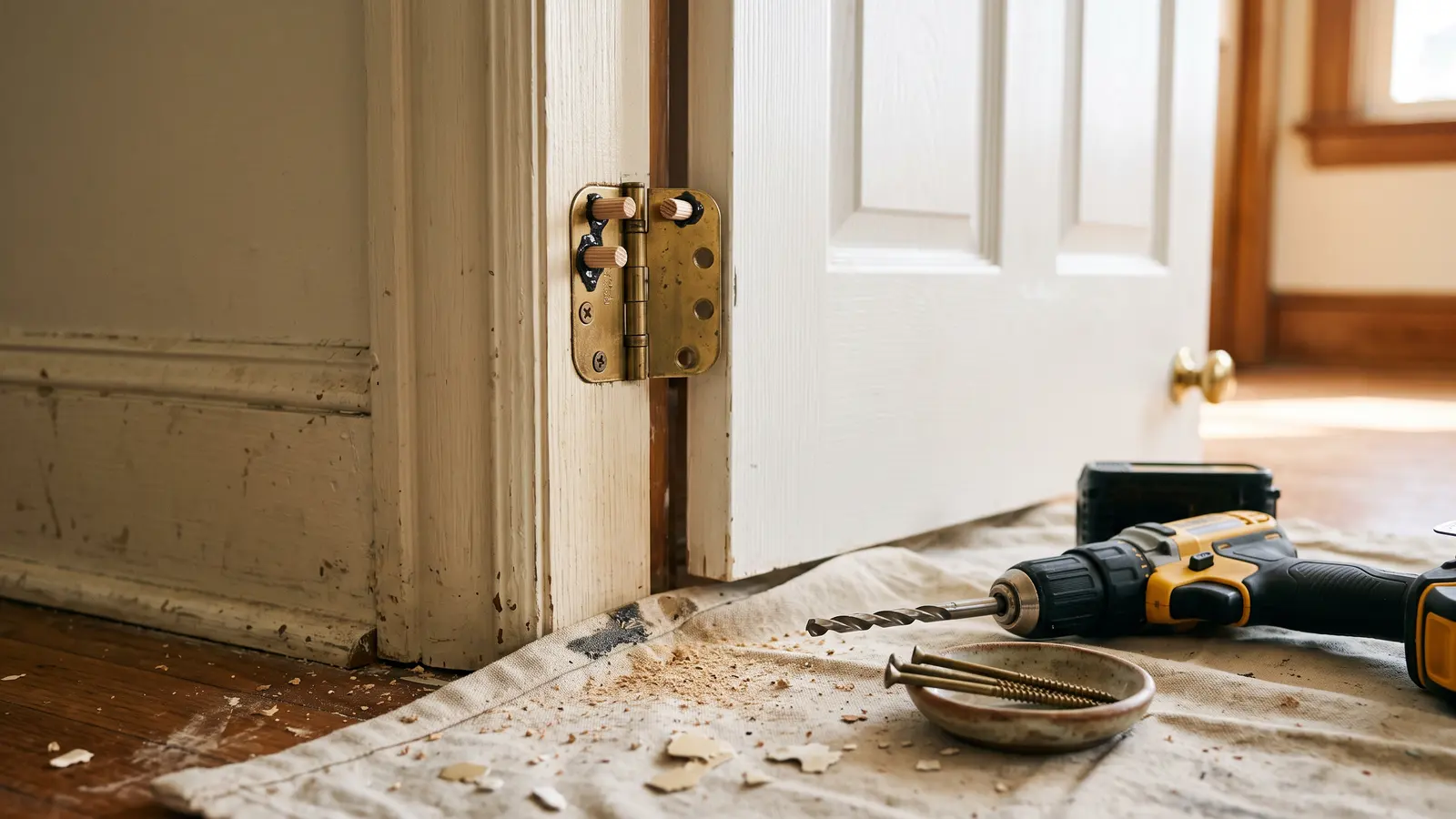
Lee Gilliam helps Kristen add a dedicated drip zone for container plantings in Austin, licensed irrigator Aaron ties into the mainline, Richard Trethewey weighs PEX against copper, and Nathan Gilbert repairs a door hinge with dowels, epoxy, and longer slotted screws.
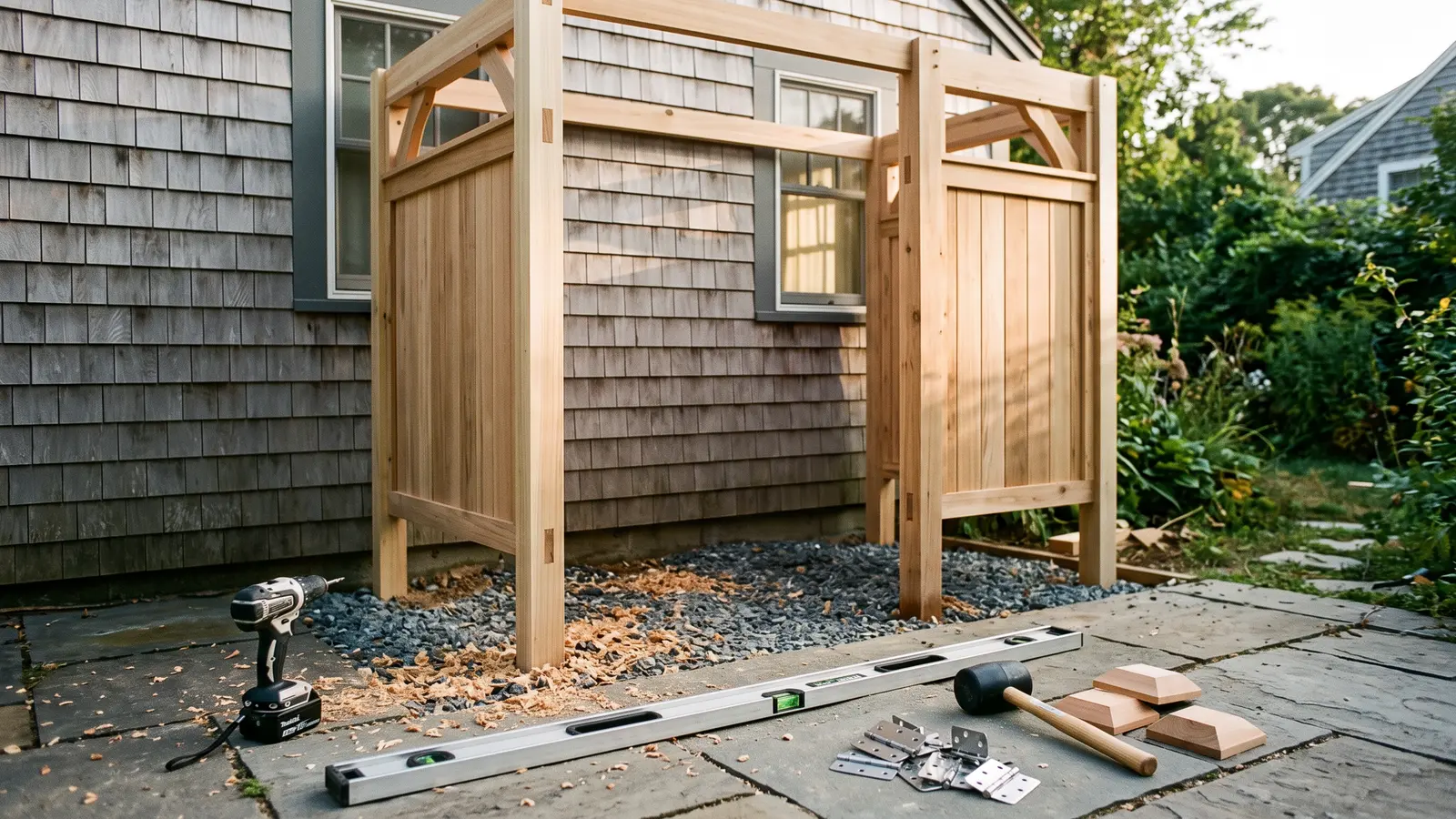
Jenn Nawada and Mark McCullough lay out a Cape Cod outdoor shower between two windows, Mark runs a pitched drain line away from the foundation, Nathan Gilbert assembles a white-cedar kit, and Richard Trethewey taps hot water through a frost-proof hydrant. The cedar and bluestone are what you see. The grade, gravel, and pitch decide whether the house stays dry.