This Old House S47 E3: Cracked Chimneys, Storm-Beaten Siding, and the Army Corps Shows Up
Mark and a mason scope out chimney damage with a camera (it's not pretty), Kevin replaces siding in the mud, and the Army Corps of Engineers drops by to explain what 'relief efforts' actually looks like.
Chimneys: Season 47's First Recurring Nemesis
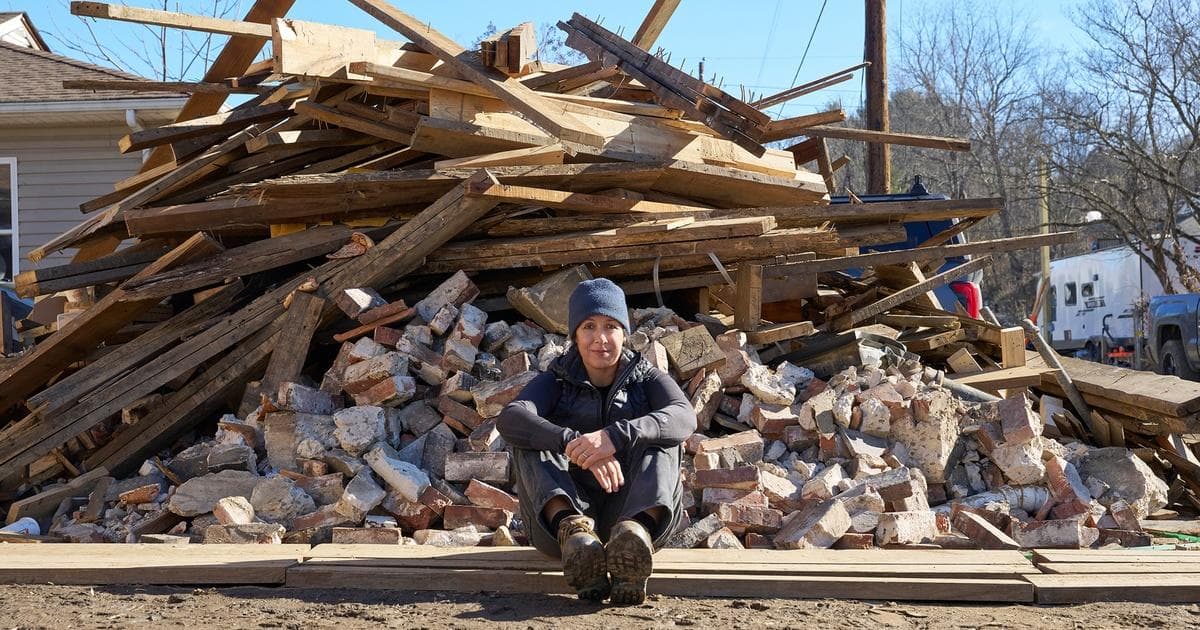
Three episodes in, and we've already established the season's architectural villain: chimneys. If you remember from Episode 1, Tom Silva praised the massive chimneys in the Swannanoa worker housing for weighing about 3,000 pounds each and holding those houses to their foundations like anchors. Beautiful. Poetic, even. Well, in North Asheville, the chimneys are telling a different story — one that involves trees, cracks, and a chimney sweep with a camera and bad news.
The Chimney Investigation
Mark McCullough meets builder Larry Ward, who explains that the storm sent trees crashing into Matt and Melinda's home (you'll recall: six or seven trees, multiple rooms destroyed, the family trapped in the basement). Among the casualties is the chimney, which took a direct hit. Mark teams up with mason Don Caldwell to clear out the damaged bricks and debris, and then chimney sweep Alan Justice shows up with a camera to inspect the flue.
What Alan finds isn't great: cracks in the chimney liner. This matters more than you might think. A cracked chimney liner isn't just an aesthetic issue — it's a fire hazard and a carbon monoxide risk. The liner's job is to contain combustion gases and protect the surrounding structure from heat. When it cracks, those gases can escape into the walls or living space, and heat can transfer to combustible framing materials. The NFPA 211 standard requires chimney liners to be intact and free of cracks for exactly these reasons.
What Are Your Options With a Cracked Chimney?
When you've got a damaged chimney, you generally have three paths:
- Full rebuild: Tear it down and rebuild from scratch. This is the nuclear option — expensive but thorough. You get a brand new chimney that meets current code.
- Relining: Insert a new liner (usually stainless steel or a cast-in-place system) inside the existing chimney. This is often the most cost-effective fix if the structural brickwork is sound.
- Partial repair: Repair the cracks and damaged sections. This works for minor damage but isn't appropriate when a tree has introduced the chimney to gravity at high speed.
Mark and the team share their findings with Larry to plan next steps. We'll see how this plays out, but I'd put money on this not being the last chimney conversation of the season. (Spoiler for loyal readers: chimneys come back in a big way when we get to the Needham project.)
Siding Replacement: What's Hiding Under There
Over in East Asheville, Kevin joins builder Will Nicholson at Paula's house to replace storm-damaged siding. The problem isn't just that the siding got beat up — it's what happened underneath. Mud and water forced their way behind the siding during the flood, and that moisture sitting against the sheathing is a recipe for rot, mold, and eventual structural damage.
This is actually a really good teaching moment about why modern wall assemblies include rain screens and drainage planes. The idea is simple: water will get behind your siding (it always does — wind-driven rain, capillary action, condensation). The question is whether your wall system lets that water drain out or traps it against the sheathing. A rain screen — basically a small air gap between the siding and the water-resistive barrier — gives water a path to drain and air to circulate, which dries everything out.
Kevin's helper arc gets a genuine entry this week: he's out there with Will pulling damaged siding and fitting new pieces. It's not the most technical work on the show this episode, but it's physical, it's real, and it counts. Kevin Helper Scorecard: 2 for 3 episodes.
Opening Up the Floor Plan
Back in North Asheville, Zack Dettmore works with lead carpenter James Moore to remove a wall and add subflooring. Matt and Melinda are using the rebuild as an opportunity to open up their living space — a silver lining that comes up a lot in disaster rebuilds. When you're already down to the studs, it costs relatively little extra to move or remove a non-load-bearing wall compared to doing it in an intact house.
The subflooring going in is engineered subfloor — likely AdvanTech or similar, given that Huber Engineered Woods is listed as a product partner. Engineered subfloor panels are moisture-resistant, dimensionally stable, and lay flat, which makes a huge difference for whatever finish flooring goes on top. If you've ever walked across an old house with squeaky, uneven floors, you appreciate what good subflooring does. It's invisible and underappreciated — the offensive lineman of homebuilding.
The Army Corps of Engineers
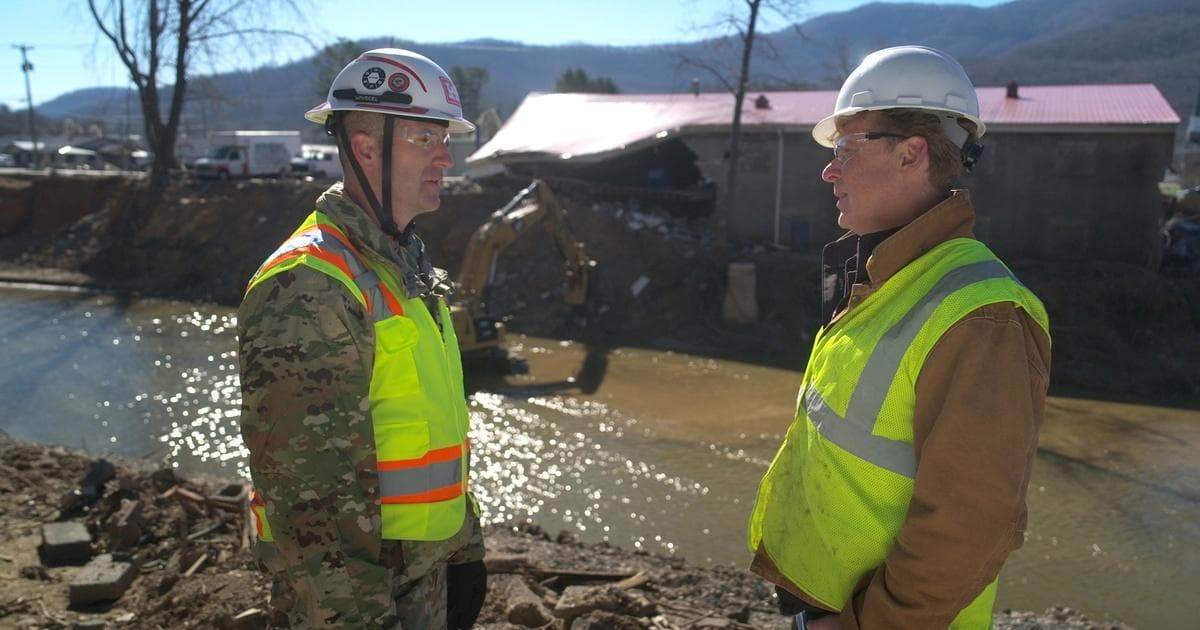
Kevin meets with the Army Corps of Engineers to discuss their relief efforts in Western North Carolina, and this segment is a useful reminder that disaster recovery isn't just about individual homes. The Corps has been doing debris removal, restoring infrastructure, and coordinating with FEMA and local authorities. When a river moves nine feet (as it did near Paula's property), the landscape itself needs rebuilding — roads, bridges, utilities, drainage.
For anyone going through disaster recovery, the Army Corps of Engineers is a resource many homeowners don't think to contact. They work on flood risk management, navigation, and environmental restoration, and after a major event like Helene, they're actively assessing and mitigating future risks in affected areas.
DIY Confidence Scale: Episode 3
- Chimney inspection: Do Not Attempt. Get a certified chimney sweep with a camera. The Chimney Safety Institute of America maintains a directory of certified professionals.
- Siding replacement: Intermediate. Swapping individual siding boards is very doable for a handy homeowner — just match the profile, prime all six sides, and nail it right. Diagnosing and addressing what's behind the siding? That's where it gets tricky.
- Removing a non-load-bearing wall: Intermediate, if you've confirmed it's non-load-bearing. The "confirming" part is where professionals earn their money. Getting this wrong is expensive in ways I don't enjoy thinking about.
- Subflooring installation: Intermediate. Measure, cut, glue, screw. The key is getting the layout right and using construction adhesive — it's what stops the squeaks.
Additional Resources
- This Old House — S47 E3 Official Page
- Watch Episode 3 on PBS
- Alan's Home Services and Chimney Sweep
- Huber Engineered Woods (AdvanTech subflooring)
- GAF Roofing
- U.S. Army Corps of Engineers
- Balsam Built
- Ward Enterprises
Next time: Jim's brother Bill tackles bathroom waterproofing (which feels thematically appropriate given, you know, the flood), father-and-son roofers install extra nails per shingle because hurricanes have a way of changing your standards, and Paula's deck gets some much-needed attention. The Piper Watch continues — still no confirmed sighting, but we have reason to believe she's napping comfortably somewhere.
Keep reading
Related episodes & guides