
This Old House S47 E15: Round Ducts Win, Spray Foam Goes In, and Tom's Window Flashing Masterclass
HVAC gets targeted upgrades instead of a gut job, Charlie chooses closed-cell spray foam for the third floor, and Tom proves that proper window flashing is a lost art worth finding.
The HVAC Upgrade That Isn't a Gut Job
Remember Richard's pleasant surprise in Episode 12? The existing HVAC system was in decent shape, which meant targeted upgrades instead of a six-figure replacement. Episode 15 delivers on that promise, and the approach is a masterclass in working smarter, not harder.
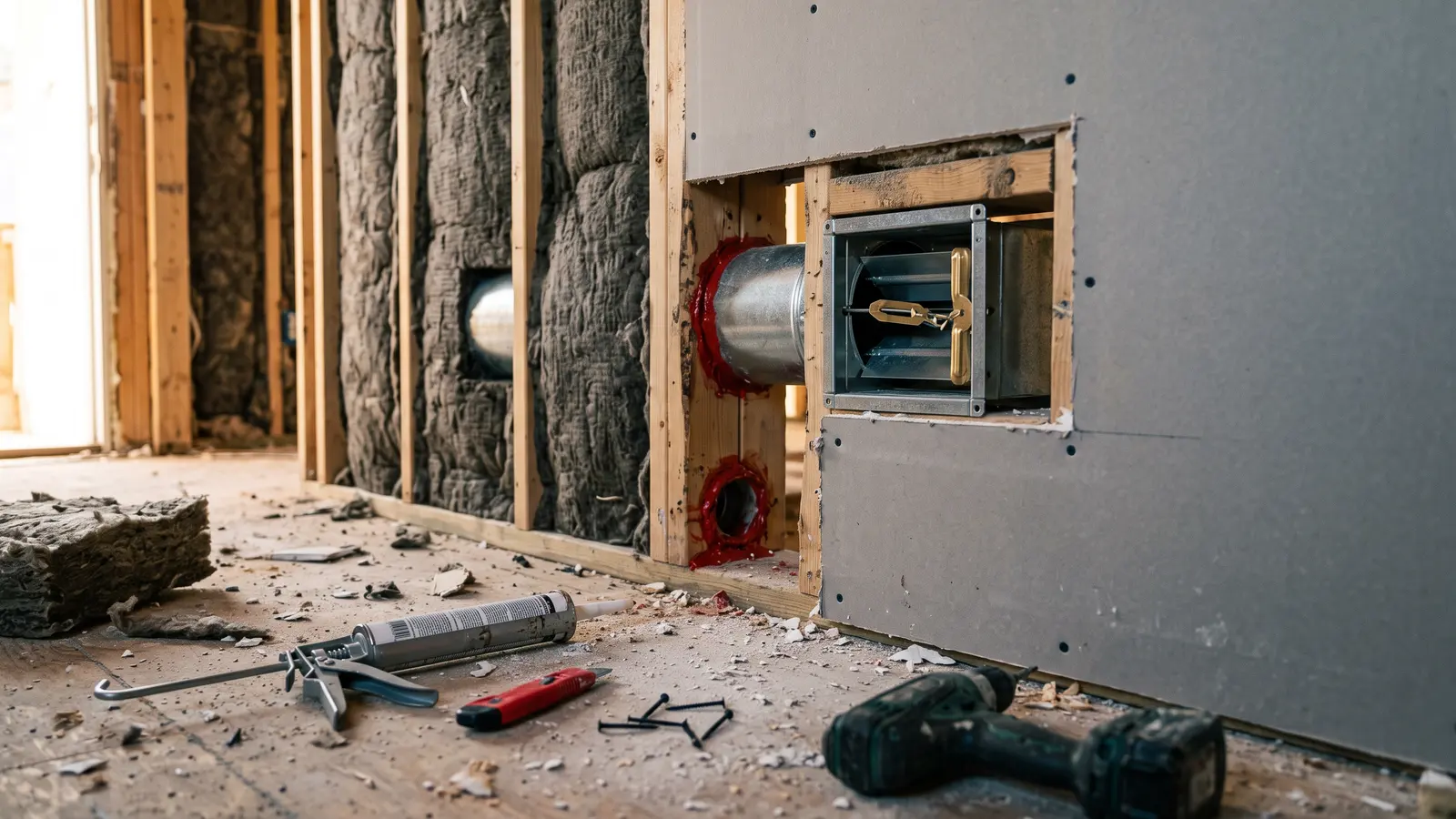
Richard and HVAC installer James Bouchard from Back Bay Mechanical evaluate ductwork options, and James makes a point worth remembering: round ducts outperform oval or rectangular ducts for airflow. The physics are simple — air moves most efficiently through a circular cross-section because there are no corners to create turbulence and resistance. Round ductwork delivers more CFM (cubic feet per minute) per dollar of energy spent pushing air through it.
In old houses where space is tight, rectangular ducts are common because they fit in shallow joist bays. But where you have the space, round is king. For this project, using round ducts where possible and upgrading connections without replacing the entire system is a budget-conscious decision that maximizes comfort without breaking the bank.
If this sounds familiar, it should: the Asheville episodes covered HVAC placement in Episode 2 and air sealing in Episode 5. The building science principles are the same — tight envelope, efficient distribution — but the application is completely different. Asheville was a flood-damaged crawl space vs. attic question. Needham is optimizing a 130-year-old system in a cold climate. Same physics, different context.
Closed-Cell Spray Foam on the Third Floor
Charlie removes the third-floor ceiling to make room for new insulation from Anderson Insulation, and he recommends closed-cell spray foam. His reasoning is sound: closed-cell provides full coverage, maximum R-value per inch (approximately R-6.5 per inch vs. fiberglass batts' R-3.5), and acts as both an air barrier and vapor retarder. It doesn't require gutting the walls — you can spray it in the ceiling cavity and get excellent performance.
The spray foam debate is a real one in the building science community:
- For closed-cell: Highest R-value per inch, doubles as air and moisture barrier, structural rigidity, doesn't absorb water
- Against closed-cell: Most expensive insulation option ($1.50-3.50/board foot installed), uses blowing agents with global warming potential, harder to inspect for defects, and if installed incorrectly, can trap moisture in unexpected ways
- Alternatives: Open-cell spray foam (cheaper, lower R-value, permeable), dense-pack cellulose (excellent performer, lower cost, but requires different application), or rigid foam boards (good performance, labor-intensive to install)
For a third-floor ceiling in a Massachusetts Victorian where the attic air handler needs help, closed-cell spray foam is a strong choice. The R-value per inch matters when ceiling depth is limited, and the air-sealing properties reduce the HVAC system's workload — which ties directly back to the "keep the existing system" strategy.
Tom's Window Installation: The Flashing Lesson
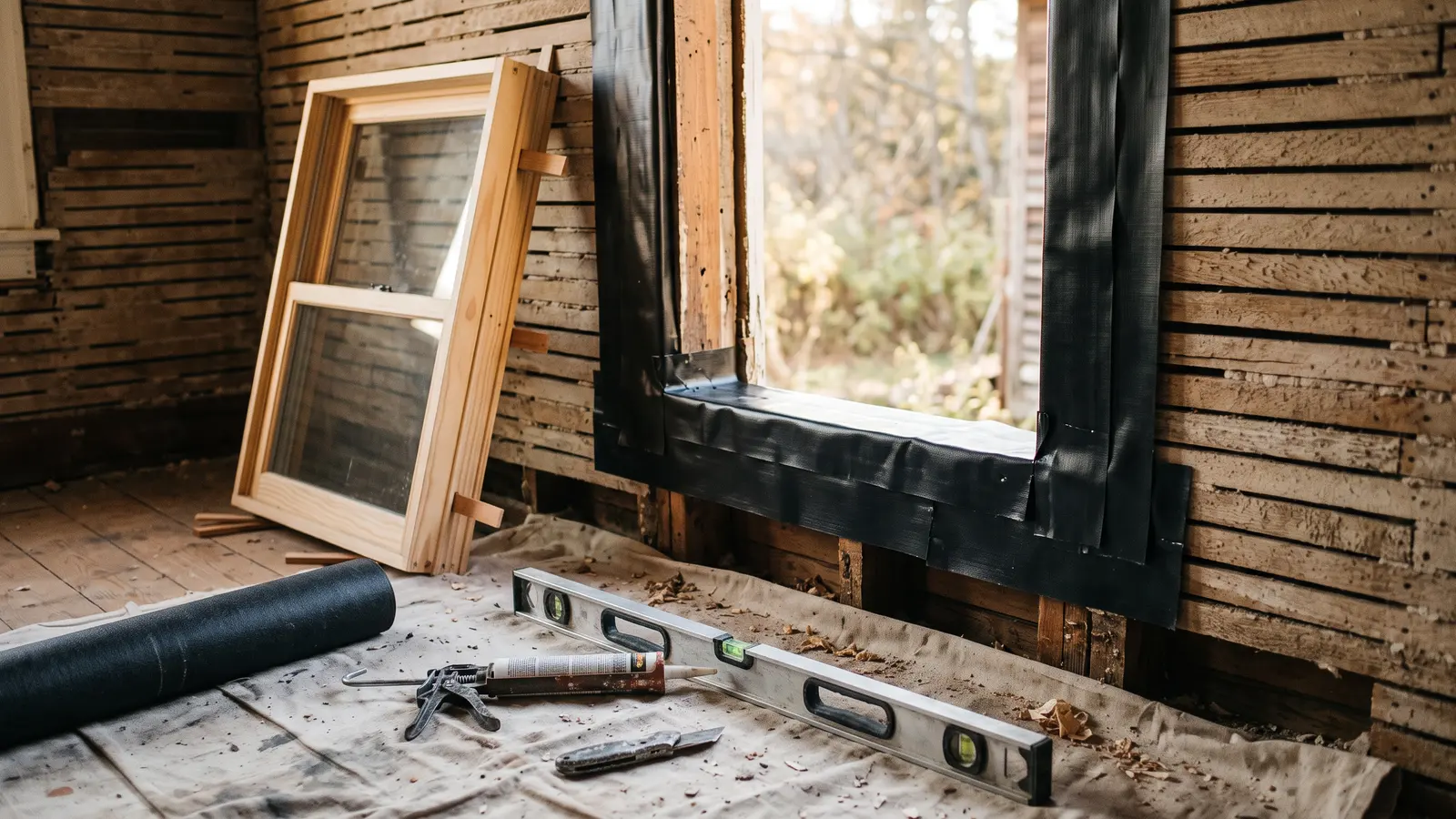
Tom and Kevin install a new double-hung window in the dining room, and Tom does what Tom does: turns a seemingly routine task into a tutorial on why details matter. He emphasizes proper flashing of the window opening before setting the window — applying self-adhering membrane around the opening in a specific sequence (sill first, then jambs, then head) so that each piece overlaps the one below it in a shingle-like pattern.
This is the same principle as the chimney flashing in Episode 4: water runs downhill, and every joint should be lapped so water is directed out, never in. It sounds obvious. It is not universally practiced. Improper window flashing is one of the leading causes of water damage in residential construction, and it's entirely preventable with materials that cost about $30 per window.
Leveling an Old Floor
Inside, Kevin and Charlie address a sloped parlor floor — a common reality in old houses where foundations have settled unevenly over decades. They shim the joists and install a new, level subfloor, which is essential prep before any finish flooring goes down.
If you live in an old house, you know the feeling: put a marble on the floor and it rolls. Shimming joists is the standard fix — thin tapered pieces of wood placed on top of the joists to create a level plane. It's fussy, precise work that requires a long straightedge and patience. The alternative — self-leveling compound poured over the existing floor — works for minor variations but can't correct the inches of slope common in houses from the 1800s.
DIY Confidence Scale: Episode 15
- HVAC duct evaluation/replacement: Hire a Professional. Ductwork sizing, static pressure calculations, and system balancing require HVAC expertise. A poorly designed duct system wastes energy and creates comfort problems no thermostat can fix.
- Spray foam insulation: Hire a Professional. The chemicals are hazardous during application, the equipment is specialized, and improper application causes more problems than it solves.
- Window installation with flashing: Advanced Intermediate. A competent DIYer can install a replacement window, but the flashing sequence is critical. Study Tom's technique before you start. Or better yet, watch this episode three times.
- Floor leveling with shims: Intermediate. Time-consuming but straightforward with a laser level. Budget a full day for one room and you won't be disappointed.
Additional Resources
- This Old House — S47 E15 Official Page
- Watch Episode 15 on PBS
- Back Bay Mechanical (HVAC)
- Anderson Insulation
Next time: Charlie visits a millwork factory where custom trim is made to order (if you love watching raw lumber become beautiful finished pieces, this one's for you), Tom explains rain screens, composite decking goes in, and the kitchen layout starts to take shape. The Needham project is hitting its stride.
The weekly recap
Get each new recap the day it's posted.
Get each new This Old House and Ask This Old House recap by email, the day it's posted. No spam, unsubscribe anytime.
From the captions
Spotted on the job
Tools, materials, and techniques the episode actually showed or discussed. Names stay generic unless the episode said a brand. A name links to an Amazon search only when it is something a person could buy.
As an Amazon Associate, This Old Recap earns from qualifying purchases.
Material
Pro-only
ductwork
Richard and James ran new supply ductwork through chases and bookcase corners to improve airflow to upstairs rooms.
Material
Pro-only
open-cell spray foam
Charlie showed open-cell spray foam as an insulation sample with about 3.5 R per inch and vapor permeability.
Material
Pro-only
dense-pack cellulose
Charlie compared dense-pack cellulose at about R-3 per inch as an alternative insulation.
Material
DIY-friendly
felt paper
Tom slid felt paper behind the casing-to-siding joint to flash it.
Material
DIY-friendly
caulking
Tom ran a thin bead of caulking around the window opening to help air seal it.
Material
DIY-friendly
shims
Amazon search for shims (opens in a new tab)
Tom used shims to level the window sill, and Charlie used tapered shims on floor joists.
Tool
DIY-friendly
level
Amazon search for level (opens in a new tab)
Tom used a level to check the existing sill, and Charlie used a six-foot level as a straightedge for floor shim measurements.
Product
DIY-friendly
double-hung window
Tom installed a new energy-efficient double-hung window into an existing opening.
Keep reading
Related recaps
Also from the Suburban Victorian
This Old House · S47 E17
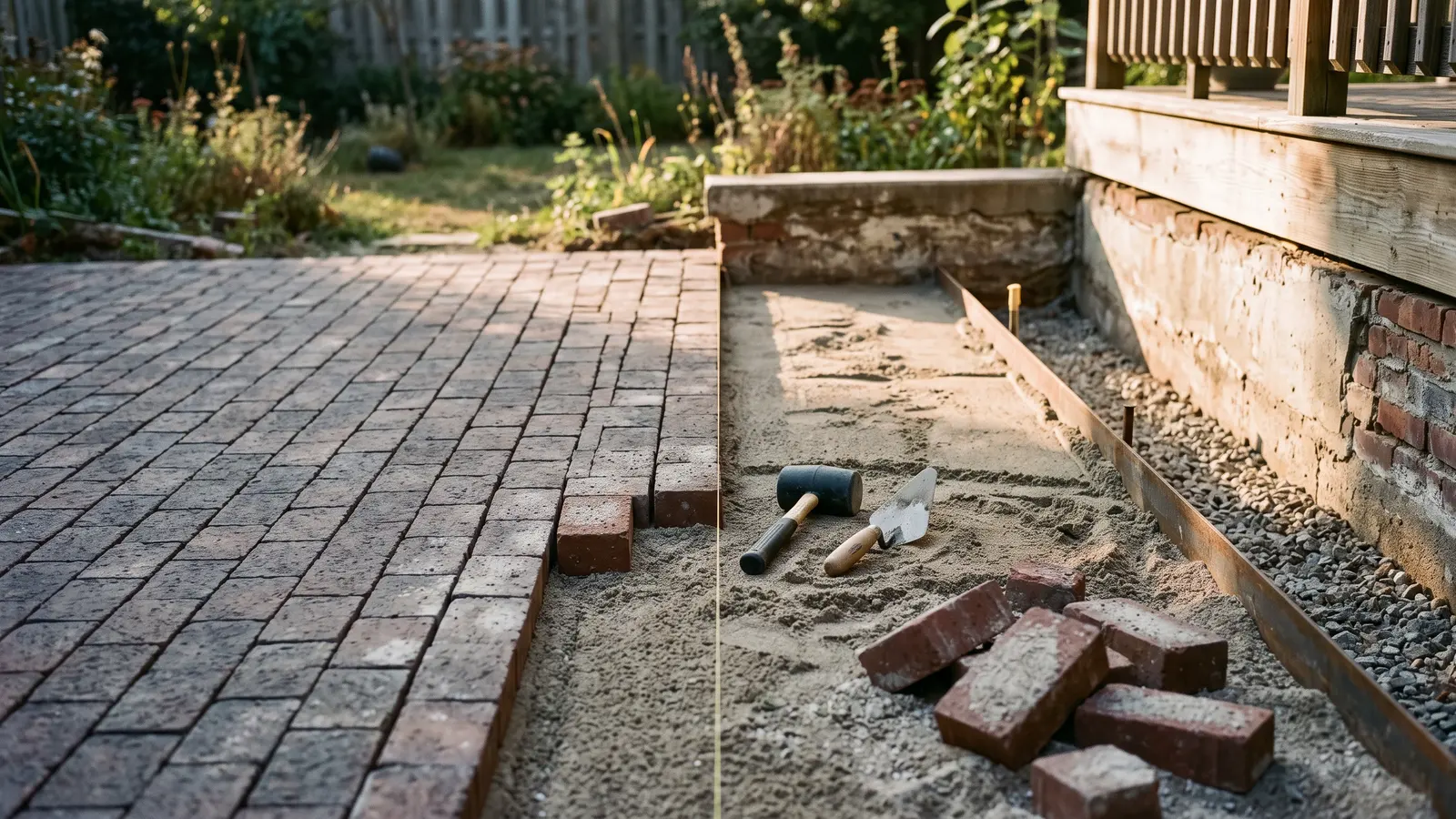
This Old House S47 E17: Porch Colors, a Brick Paver Patio, and Weaving Salvaged Douglas Fir
Also from the Suburban Victorian
This Old House · S47 E13
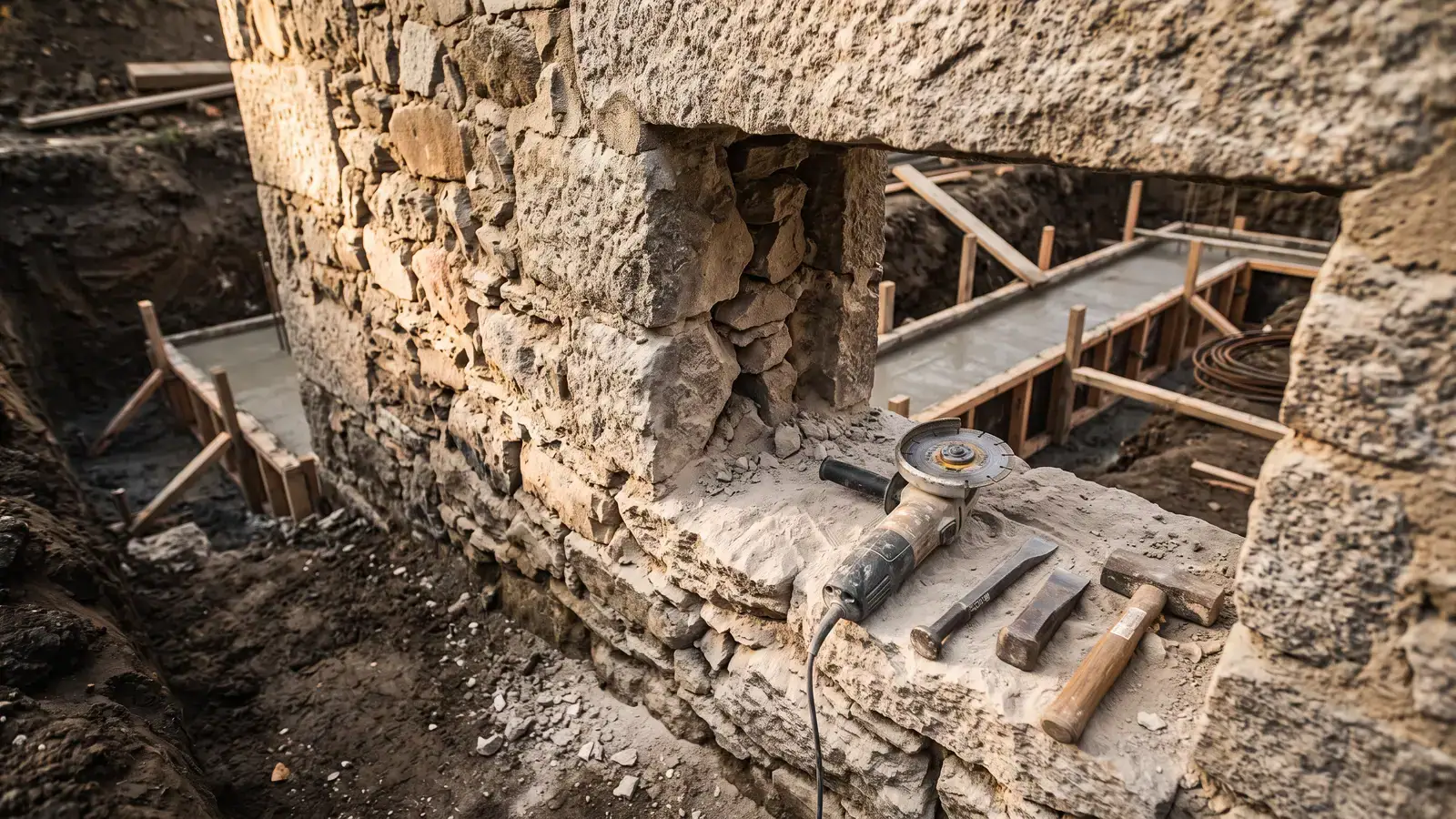
This Old House S47 E13: The Chimney Comes Down, Cabinets Get a Second Life, and a Stonecutter Carves a Doorway
Also about Windows
This Old House · S47 E6
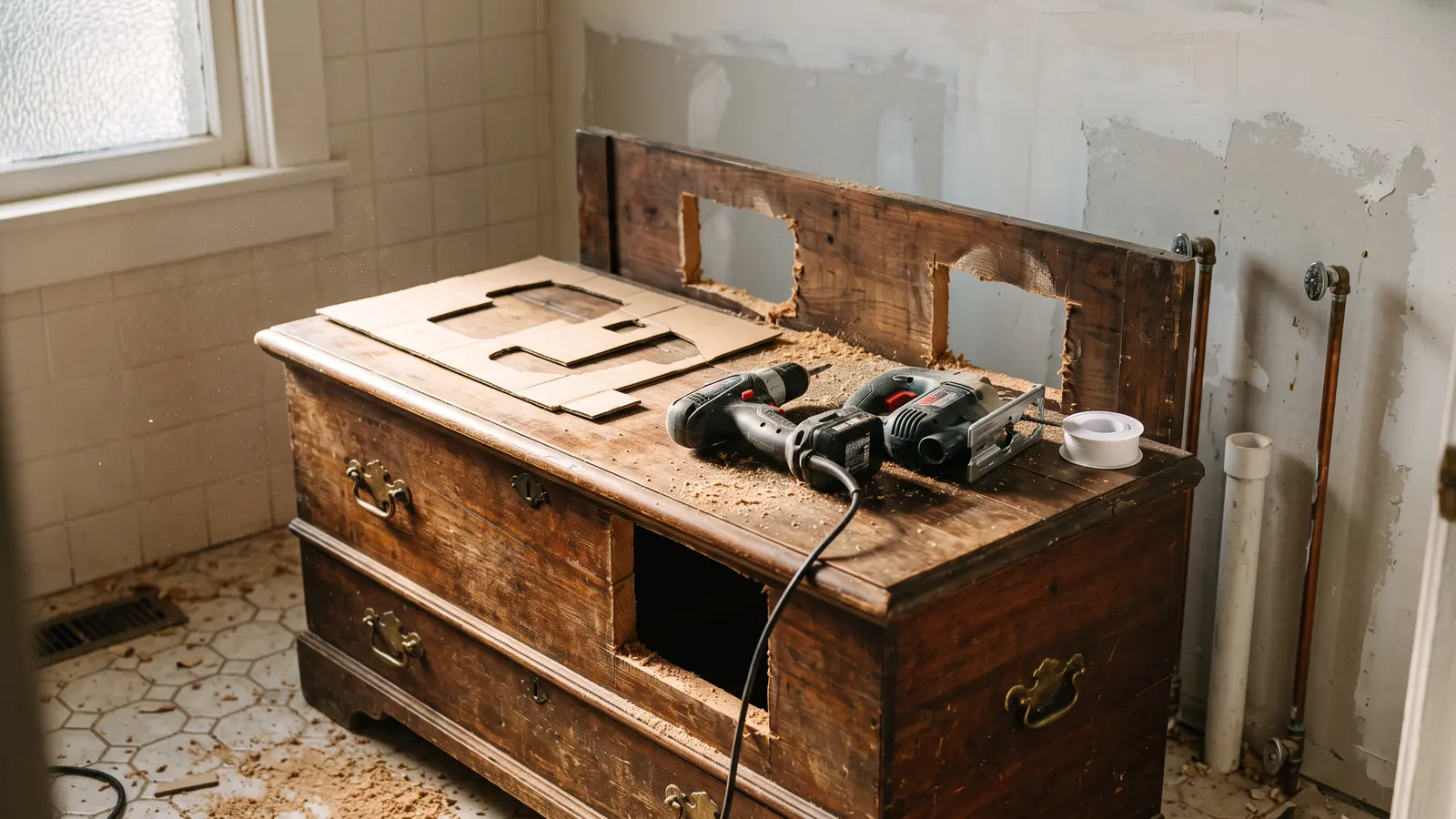
This Old House S47 E6: High Schoolers Building Homes, Updated Electrical Codes, and Tom's Antique Vanity Gambit
Also about Insulation
This Old House · S47 E24