
Hvac Episodes
15 episodes tagged with "Hvac"
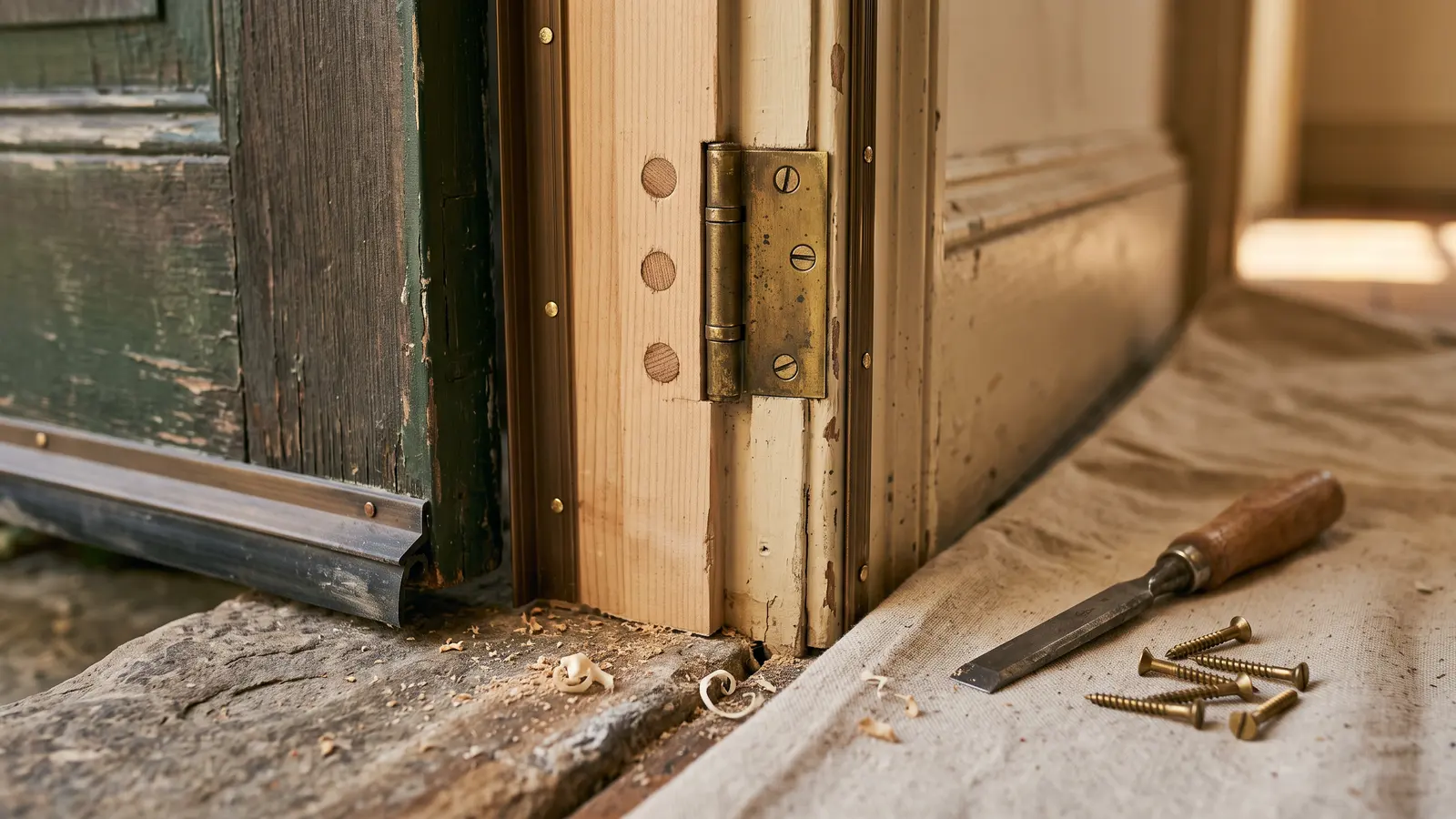
Ross Trethewey compares six kinds of insulation, Richard and Ross look back at 25 years of thermostats, and Nathan Gilbert rebuilds the hinges, lock, and sweep on an 1890 front door a kick could open.
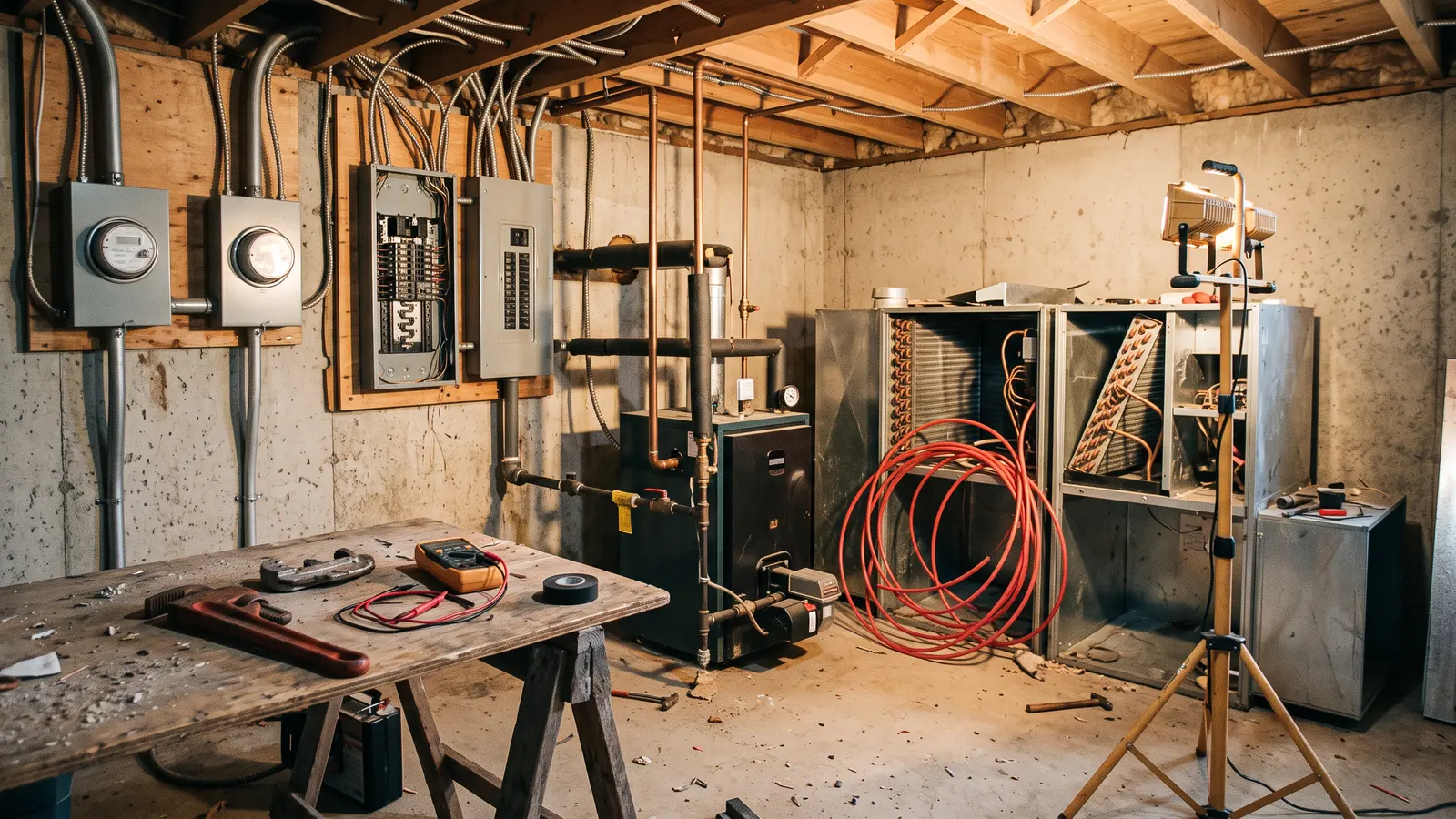
Season 47 closes in Walpole with a double move-in: Dan and Jill take the renovated ranch, Jill's parents Ed and Regina take the ADU. Richard Trethewey walks the shared-utility math, Tom Silva asks Walpole's first ADU builders the hard planning questions, and Kevin O'Connor tours Dan's C-130 at Quonset.
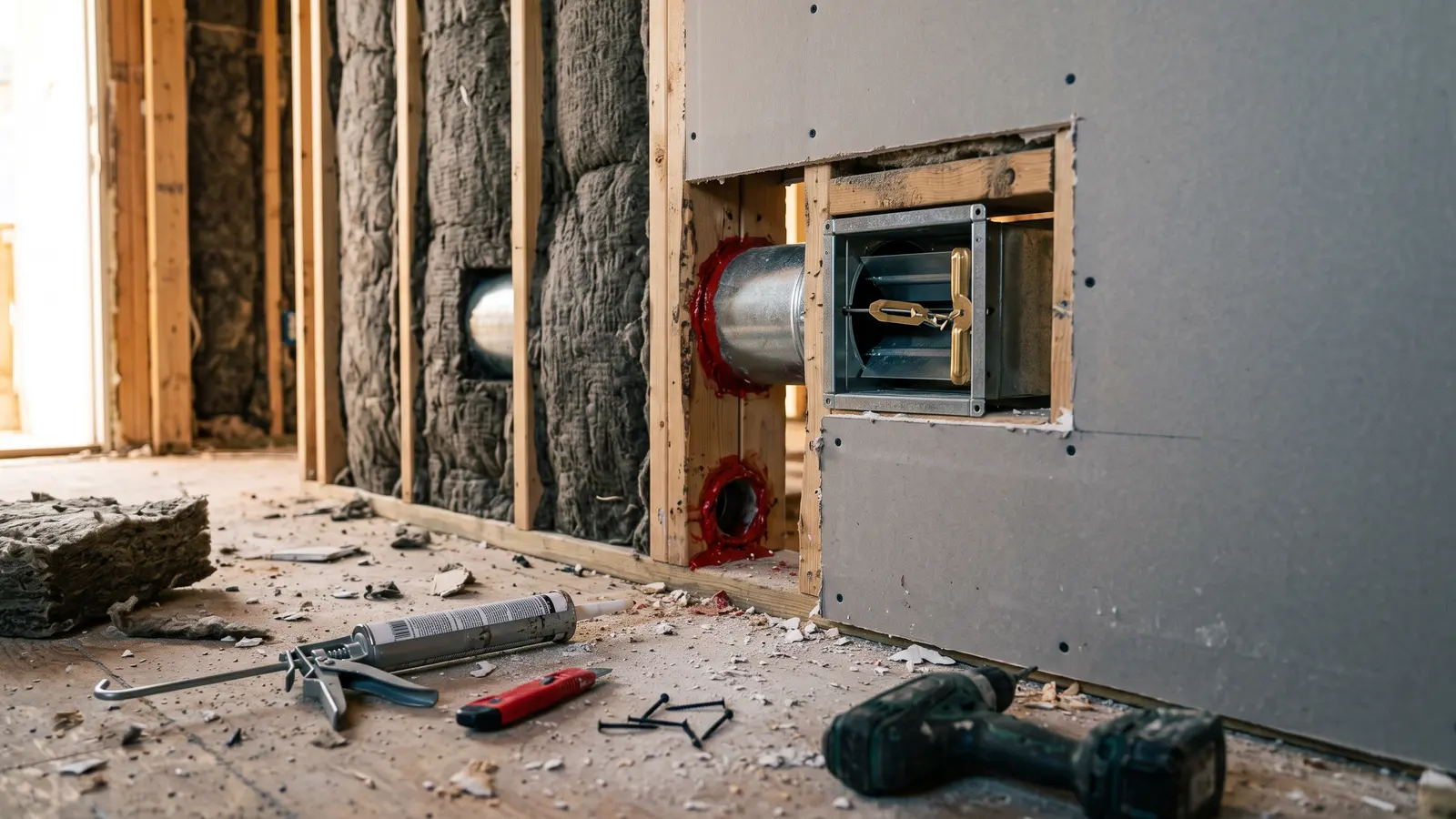
In Walpole, a two-unit ranch gets a code-rated firewall, a shared hydro-air HVAC system, whole-house water filtration, and a cold-joint injection that makes old-meets-new basement walls honest. Then Kevin and Tom tour a finished attic ADU in Dorchester—proof that 700 square feet can feel like a yacht.
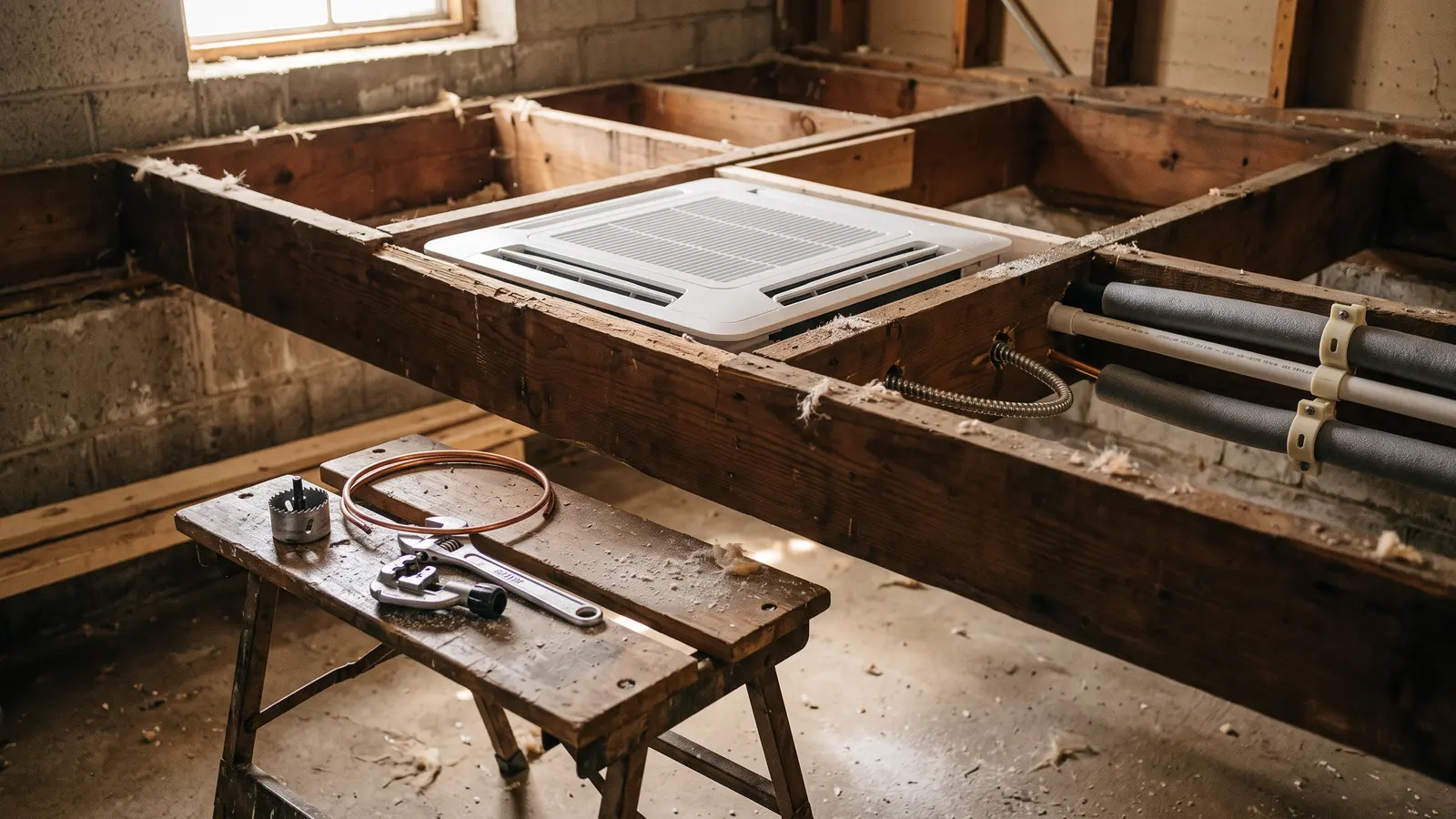
Zack Dettmore and Jared install four-inch Dutch lap vinyl with trim details that hide the usual J-channel tell, Zack tours a 100,000-square-foot modular factory in Middleburg, Pennsylvania, Richard Trethewey fits a ceiling cassette into a low basement, and the crew sets a three-panel slider into a custom copper pan.
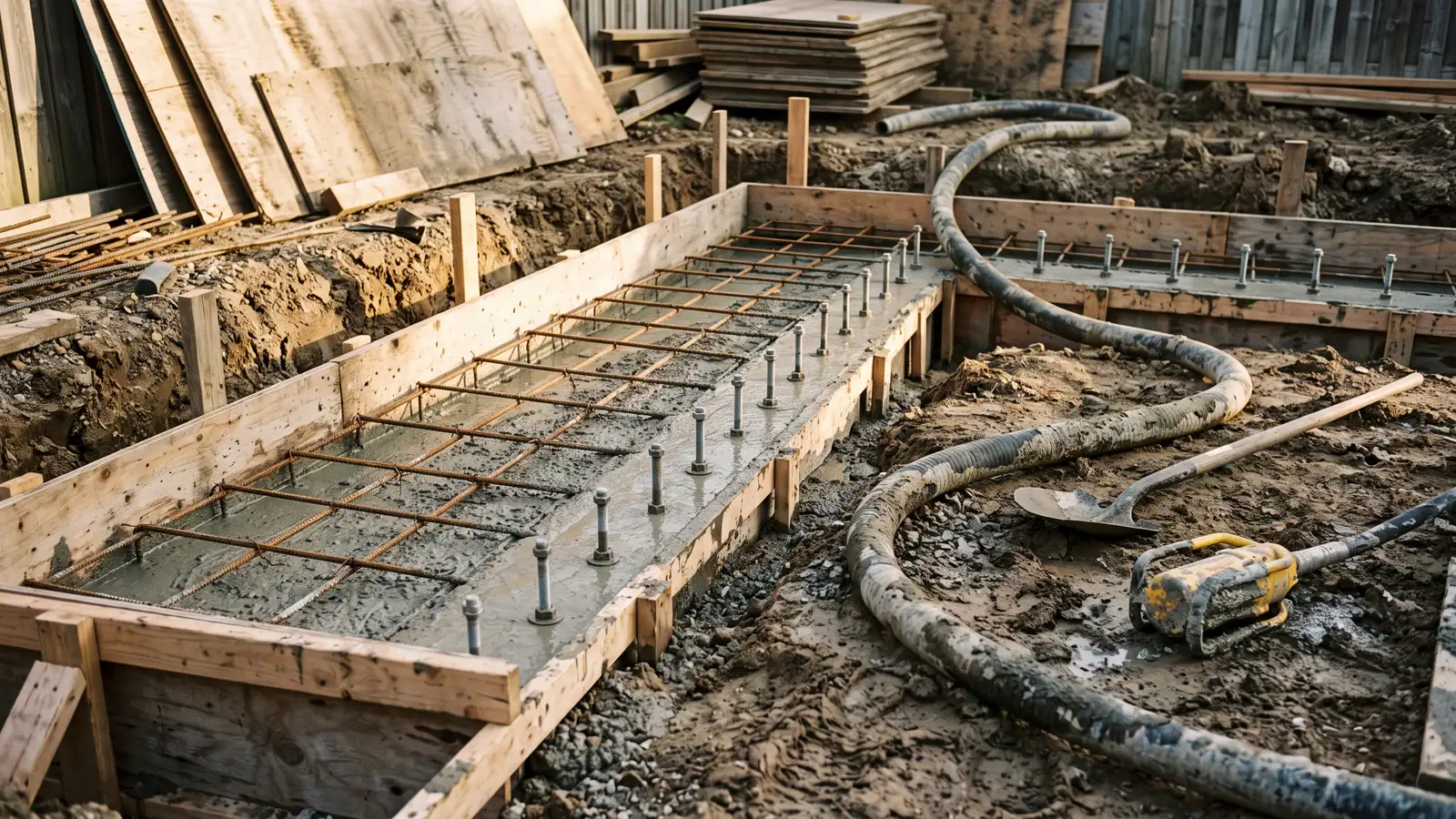
Dan and Jill's 1971 Walpole ranch kicks off Season 47's final project with a 900-square-foot ADU for Jill's parents. Tom Silva catches a garage foundation that came up ten inches short of local frost depth, Richard Trethewey stares down an oil boiler that has to serve two households, and Jenn Nawada plans a yard built for kids, grandparents, and one shared fire pit.
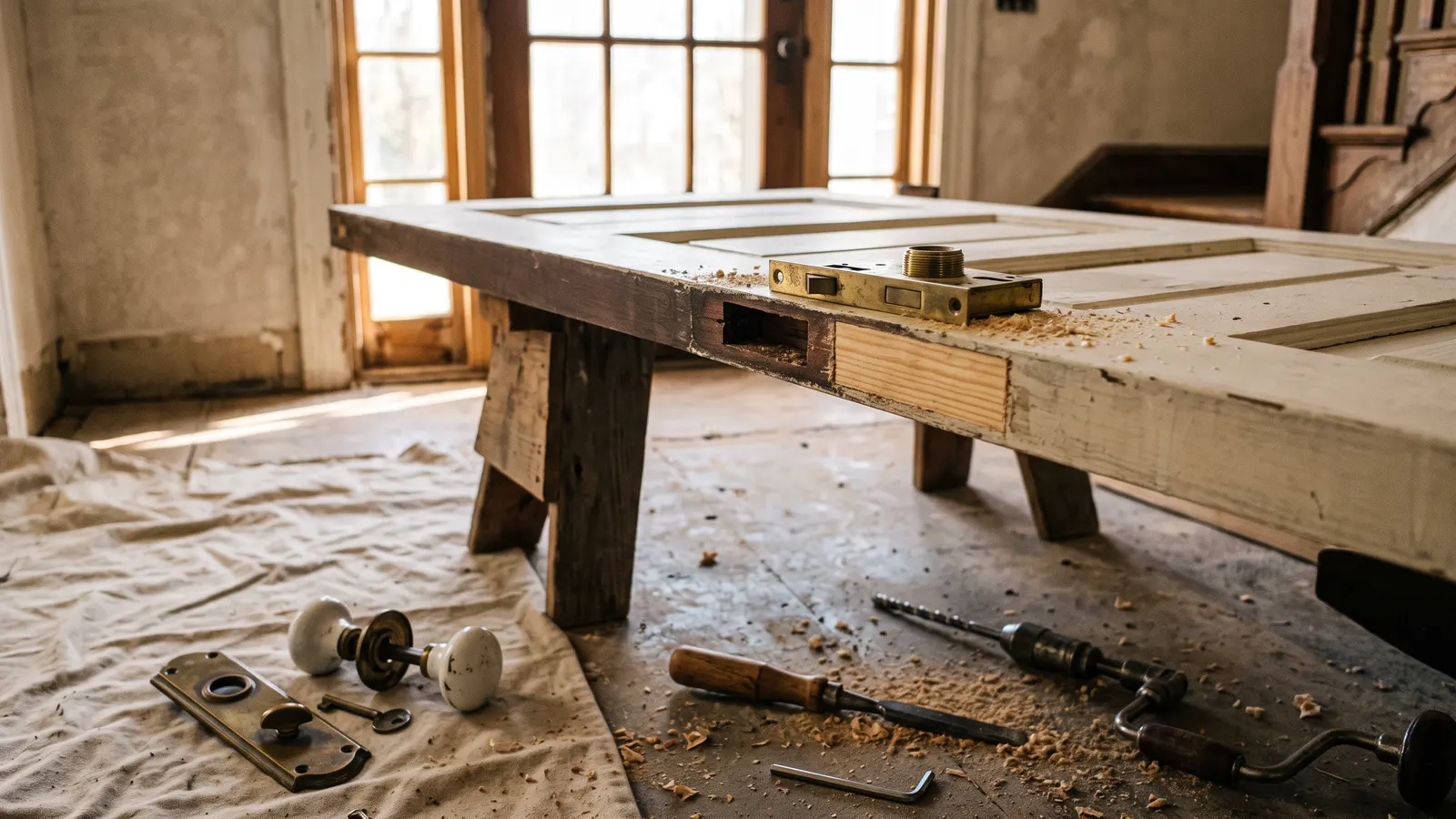
The Needham Victorian wraps on a 24-inch snow day. Charlie installs the mortise lockset Tom patched into the original front door, Kevin tours the open kitchen, mudroom, primary suite, and finished basement, and Richard explains why the old furnace stayed while attic foam and a new heat pump did the heavy lifting.
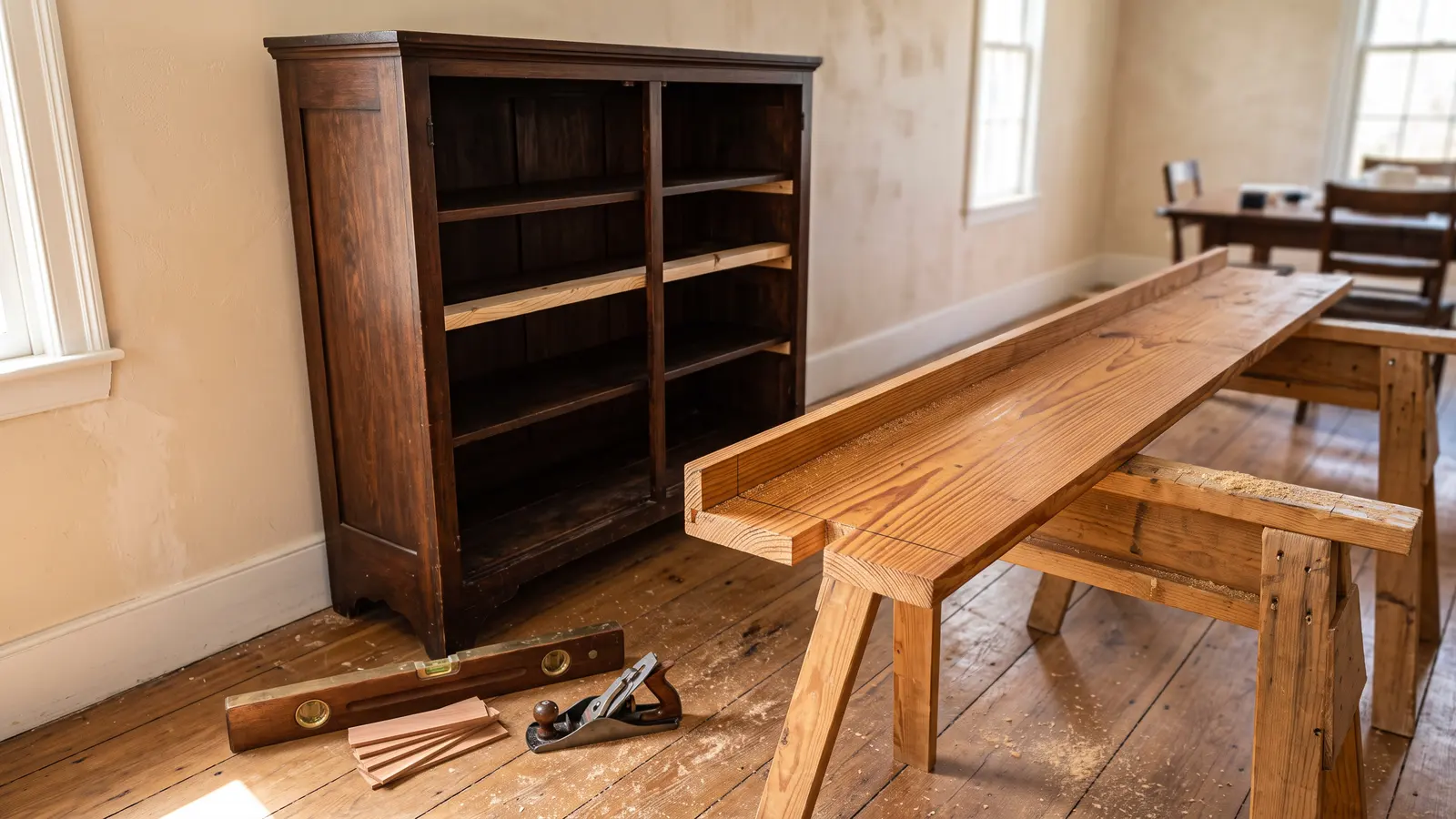
In Needham, Charlie reinstalls the original china cabinet in the new dining room, Jaclyn walks through a powder room that survived three wallpaper rounds, Heath Eastman explains primary bath lighting and blocking, the ducts get cleaned after construction, and Tom Silva cuts a mortise into the original Southern yellow pine front door.
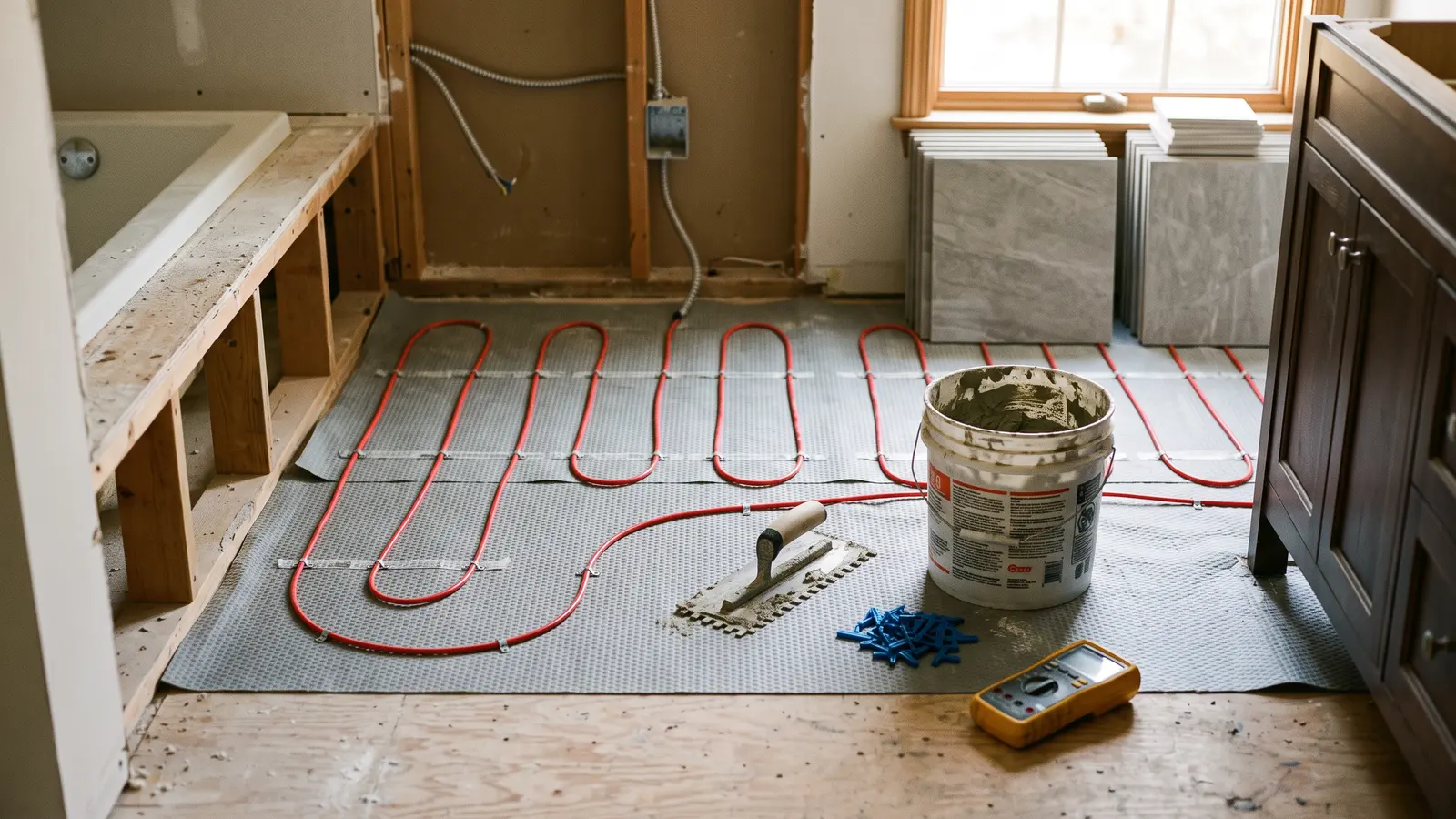
Heath Eastman and tile installer Mike O'Neil lay electric floor heat under tile, Kevin tours a Chatham cabinet shop, Mauro repaints salvaged butler's pantry cabinets, and Tom boxes in ductwork behind built-in bookcases.
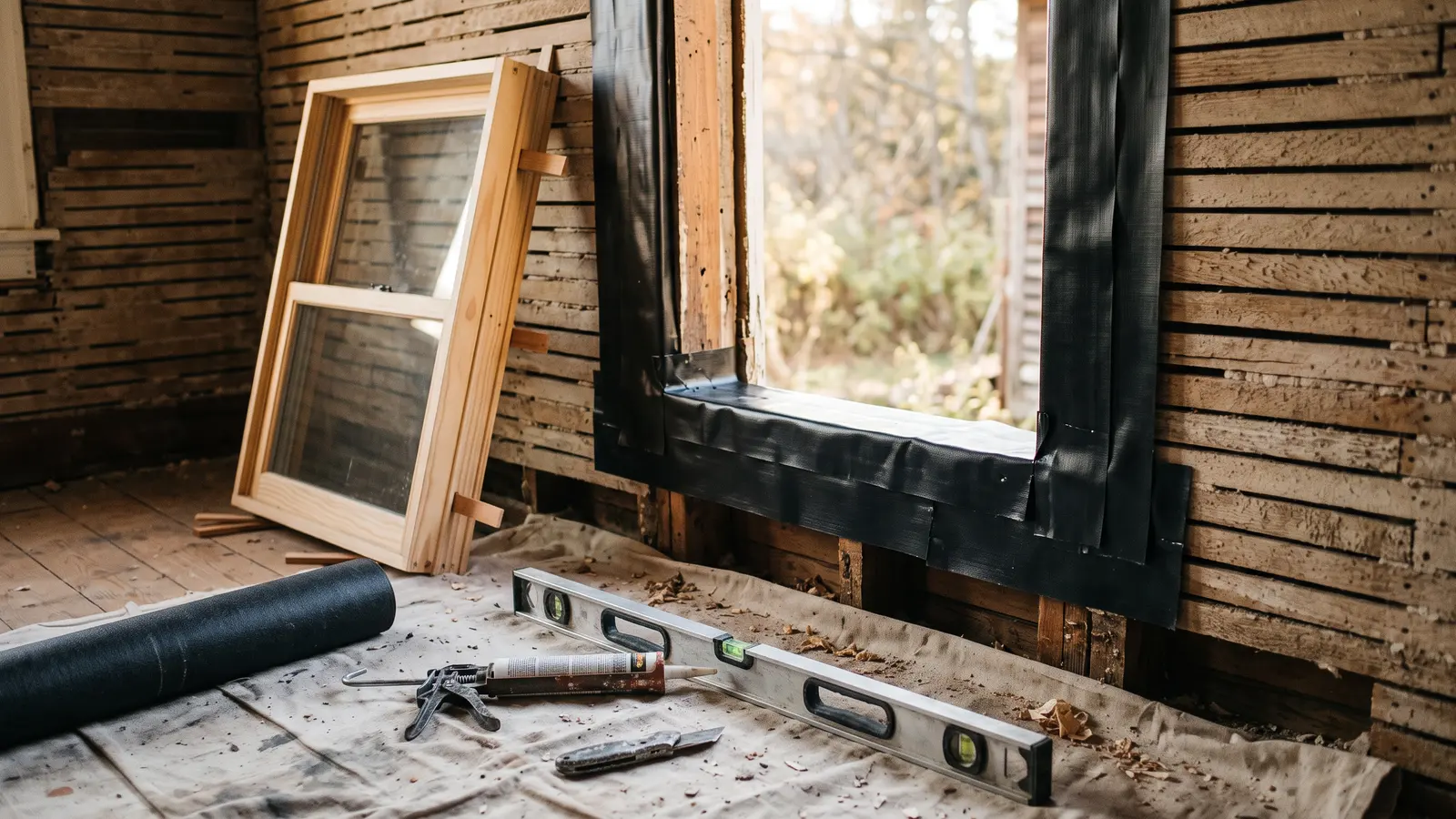
HVAC gets targeted upgrades instead of a gut job, Charlie chooses closed-cell spray foam for the third floor, and Tom proves that proper window flashing is a lost art worth finding.
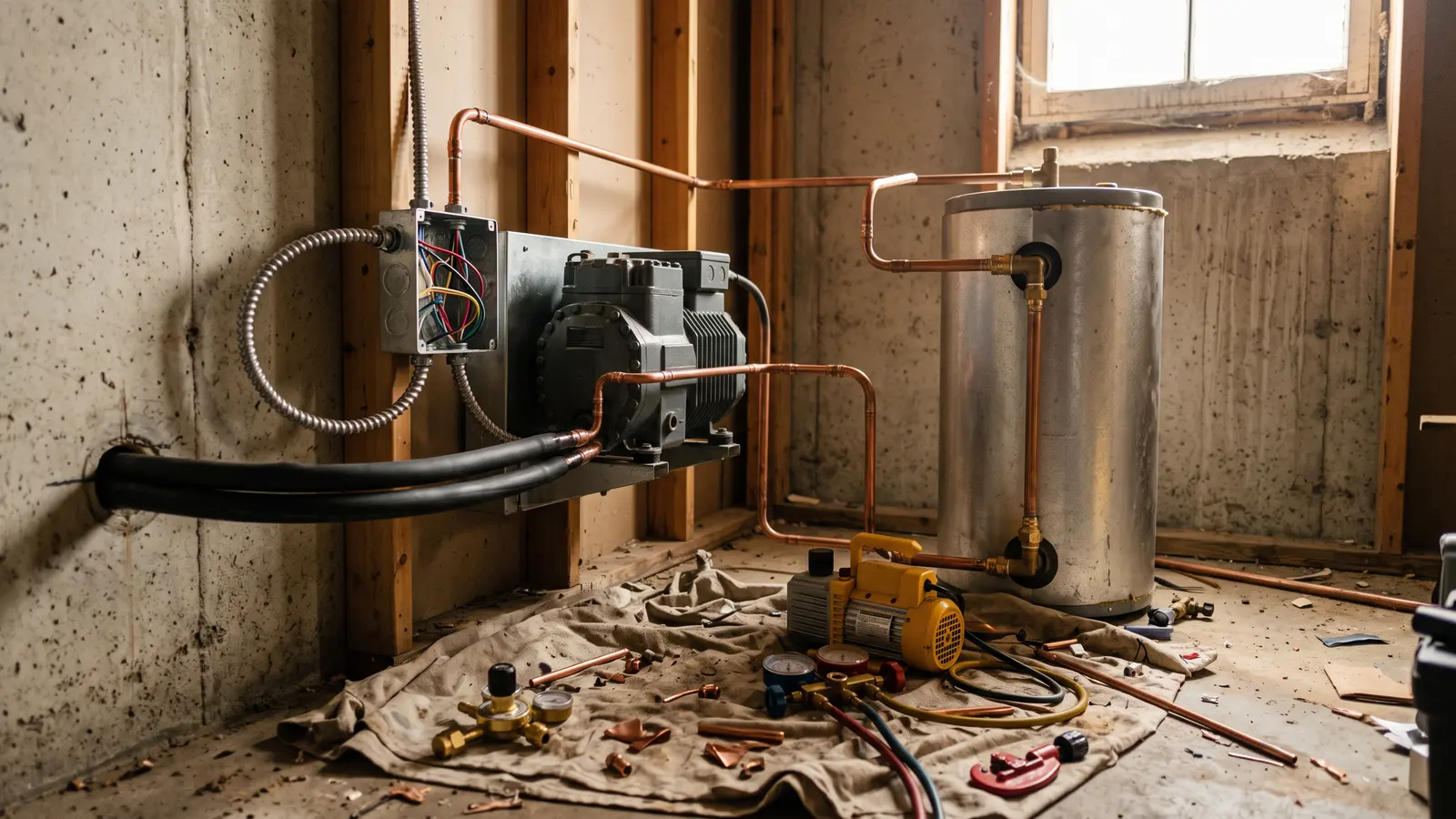
Ross Trethewey installs a split heat pump water heater that puts the evaporator outside, making it a cold-climate winner. Jenn Nawada prescribes treatments for mealybugs, spider mites, and fungus gnats. Nathan Gilbert gives a Massachusetts homeowner safe attic access with a new pull-down ladder. Plus: why a frosty panel is actually a good sign.
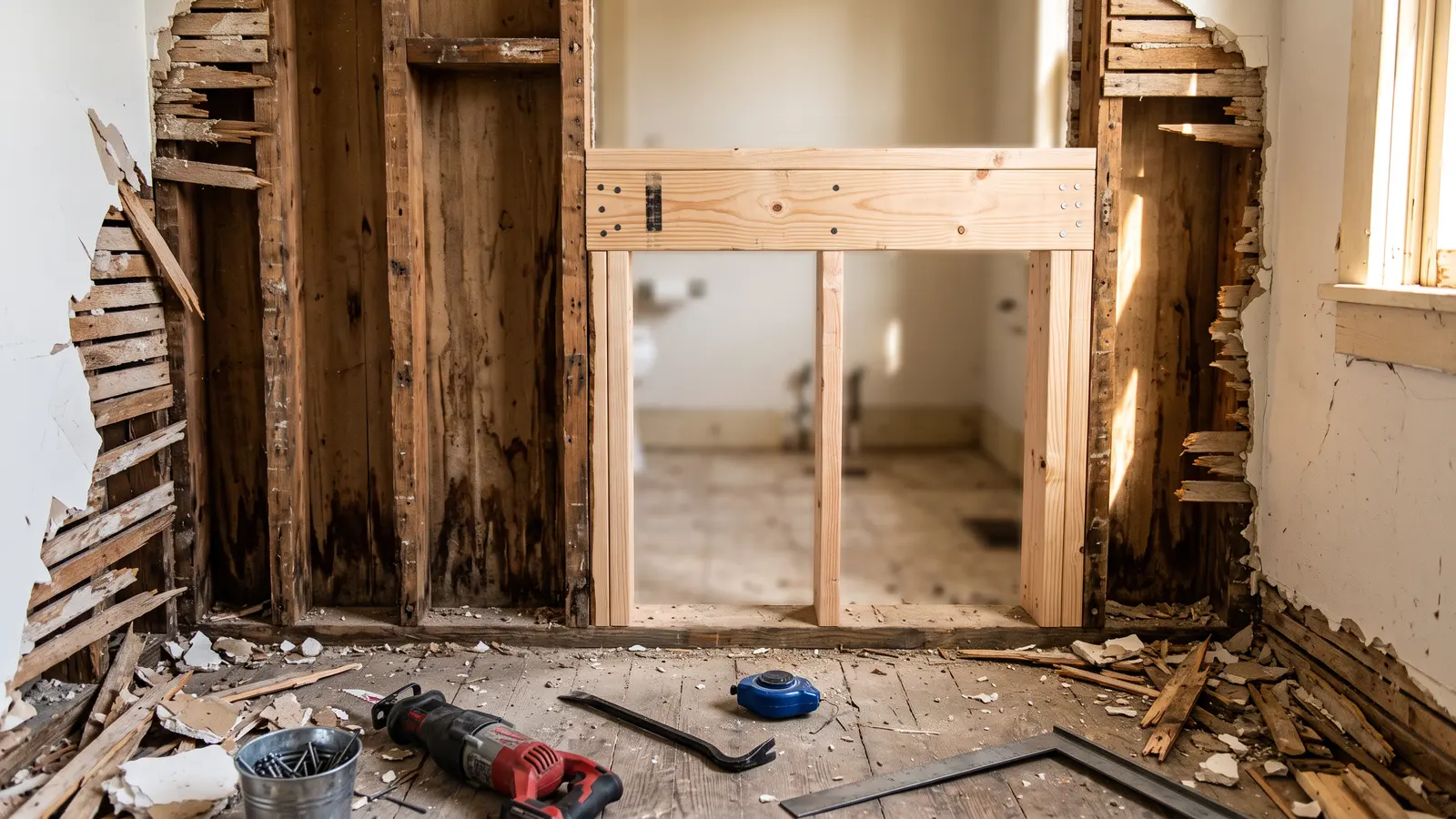
A meteorologist explains how the Blue Ridge Mountains turned Hurricane Helene into a rain machine, while the crew starts ripping out walls, replacing panels, and prepping for the long road ahead.
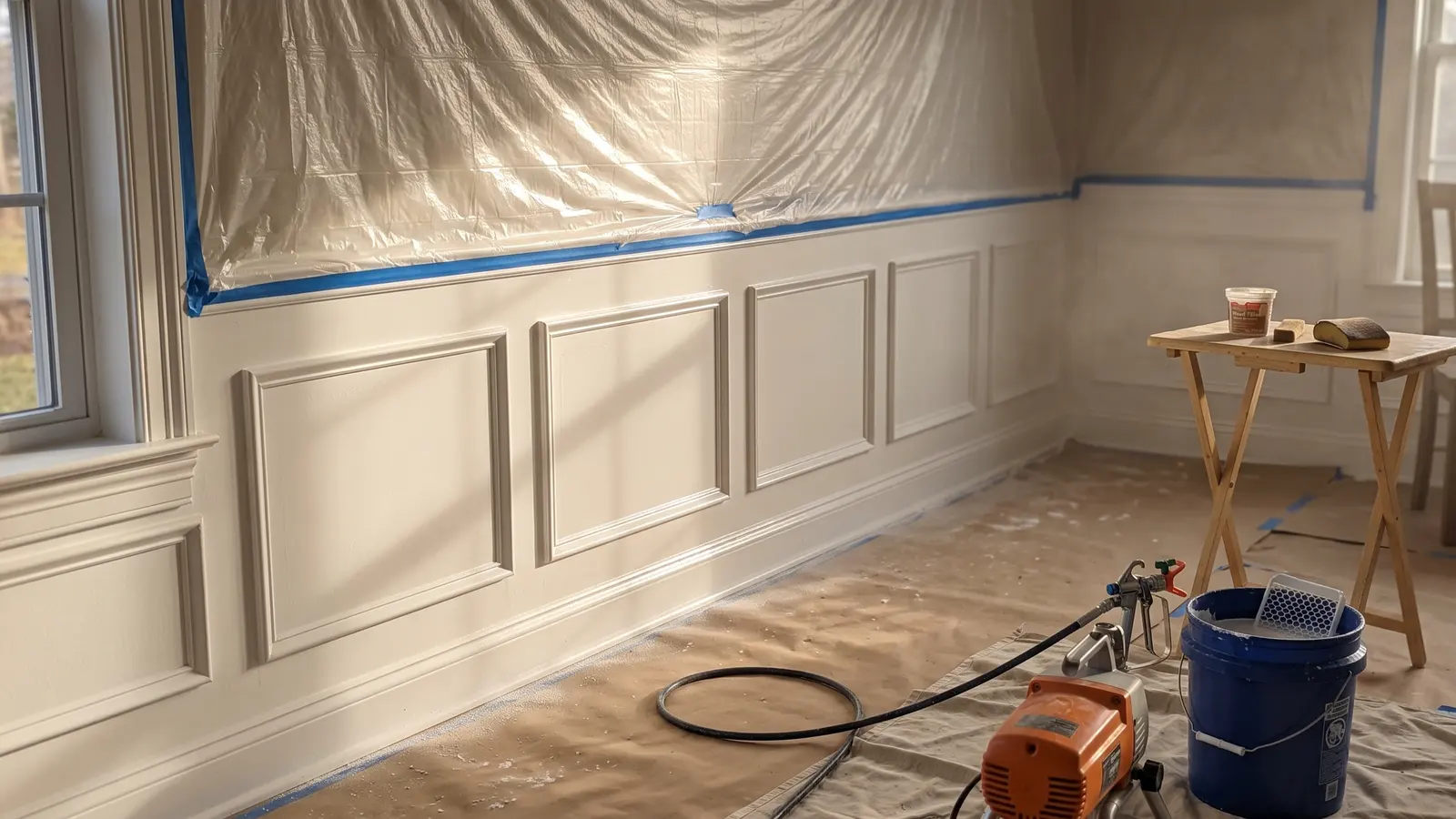
Mauro Henrique sprays wainscoting with an airless rig and a room full of masking, Kevin O'Connor, Ross Trethewey, and Heath Eastman compare heat pumps with fossil fuels using a levelized cost chart, and Nathan Gilbert builds a pressure-treated sandbox with two brothers who take digging seriously.
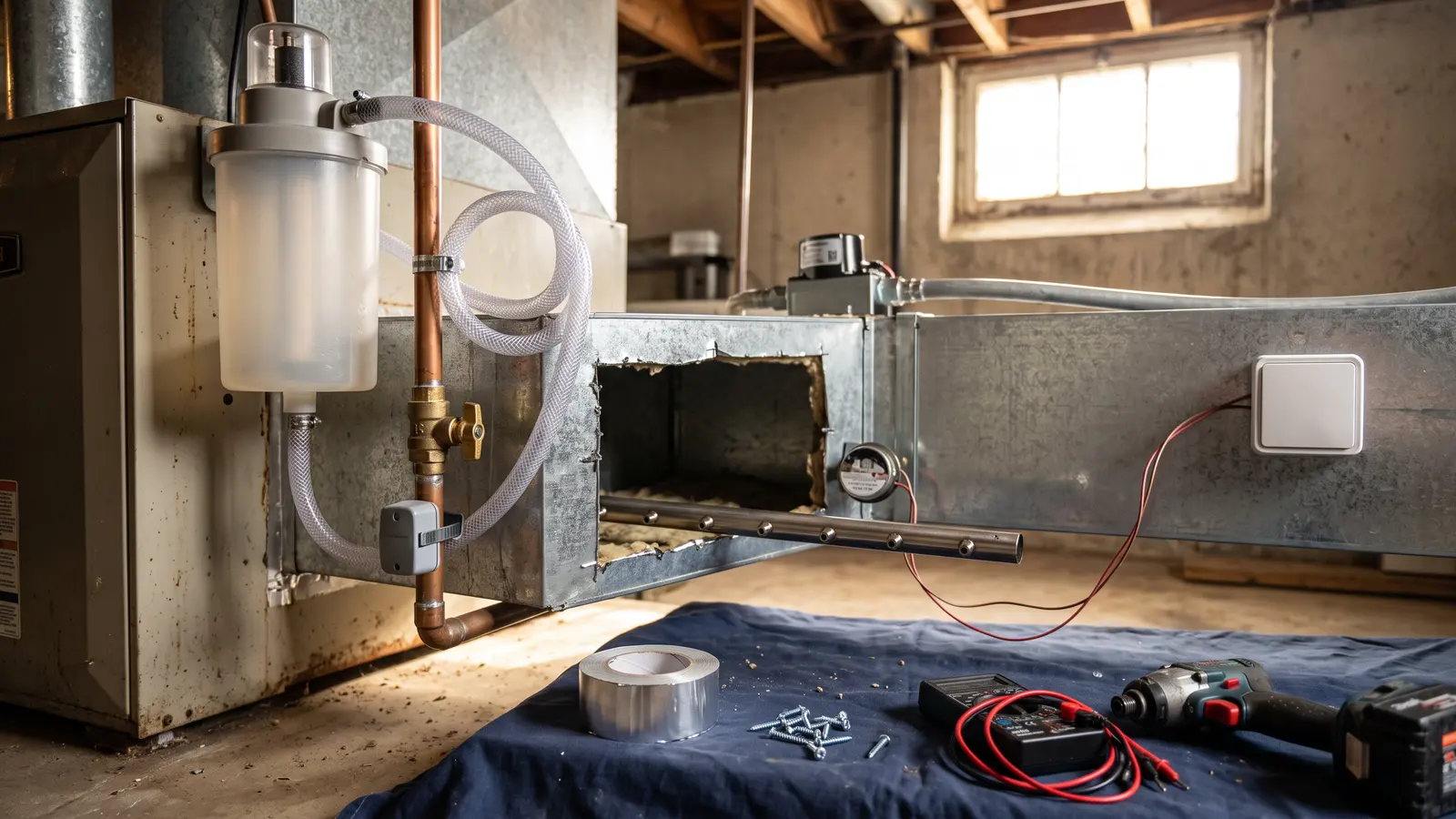
Ross Trethewey fixes winter dry air with a steam humidifier, Mauro Henrique stacks and sprays shutters in bulk, and Tom Silva builds a triangular teak outdoor end table. The useful lesson is that humidity control is mechanical, not a bowl of water on the radiator.

Ross Trethewey finds a Miami bedroom starved for airflow, Mauro Henrique dissolves bad shellac with alcohol instead of sandpaper, and Shelby Barnhart turns a childhood barn into a metal shop.
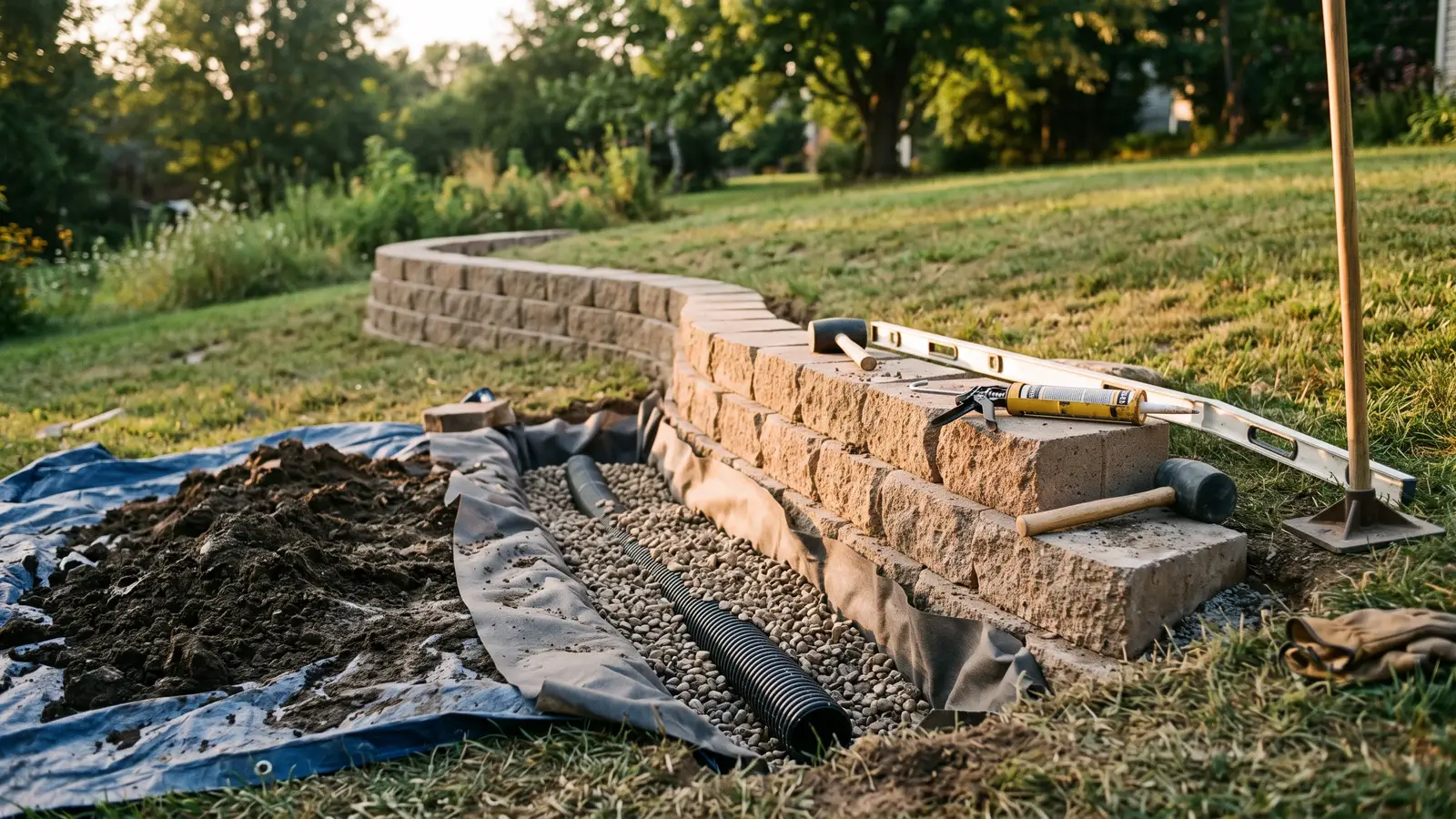
Richard Trethewey shows what mini split upkeep actually involves: filters, cowl, coils, outdoor condenser. Mark McCullough and Jenn Nawada build a two-foot retaining wall for curb appeal. The wall is the visible win; the perforated pipe, gravel, fabric, and racked-back courses are the reason it should stay put.